Strange Noises at Night? You Might Have Raccoons in the House

Hearing scratching sounds in your attic at 2 AM can be unsettling. Those mysterious noises, combined with overturned garbage cans and small paw prints around your property, often point to one culprit: raccoons. These masked bandits have become increasingly common in suburban and urban areas across Indiana, particularly in neighborhoods with wooded areas or nearby water sources.

Finding raccoons in your house isn’t just a nuisance—it’s a serious situation that requires immediate attention. Understanding how to identify their presence, recognize the health risks, and take appropriate action can protect both your family and your home from damage.

Call 317-535-4605 if You Have Raccoons in the House in Indianapolis Indiana

Identifying a Raccoon Intrusion

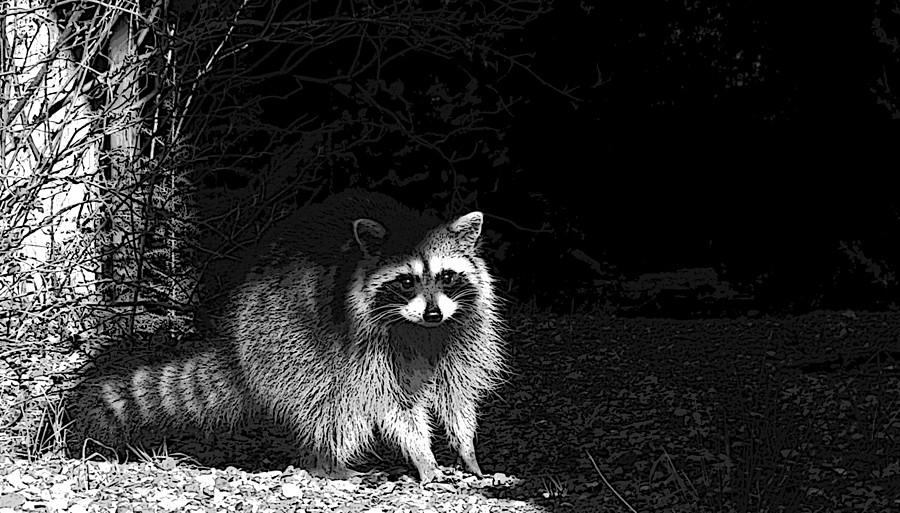
Raccoons are primarily nocturnal creatures, making unusual nighttime noises one of the most common signs of their presence. You might hear scratching, chattering, or thumping sounds coming from your attic, walls, or chimney, especially during their peak activity hours between dusk and dawn.

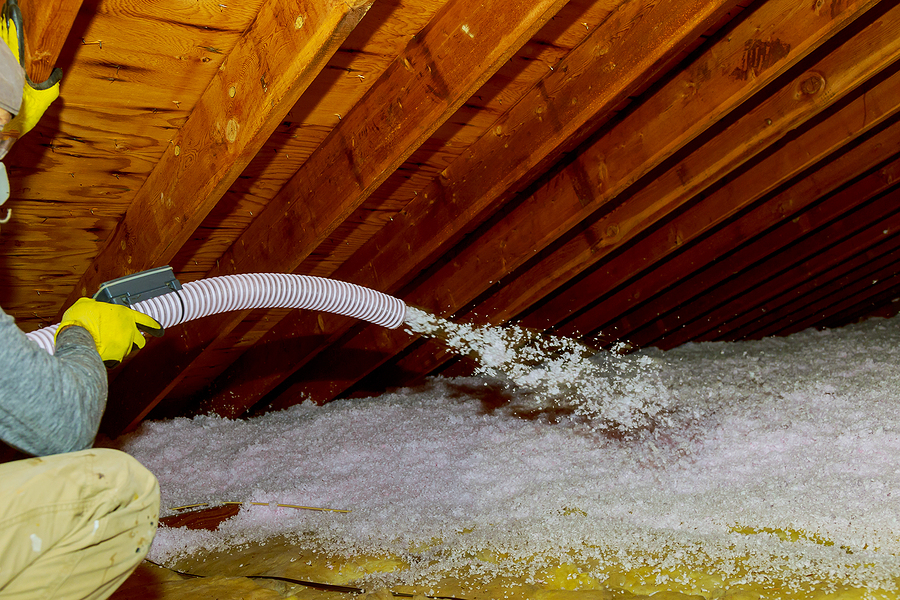
Physical evidence often tells the complete story. Look for raccoon droppings, which are typically dark and tubular, often found in concentrated areas where they’ve established a den. You may also notice torn insulation, chewed electrical wires, or damaged ductwork if they’ve made themselves comfortable in your attic space.

Property damage extends beyond the interior. Raccoons are skilled climbers with a talent for destruction. They frequently overturn garbage cans searching for food, tear up gardens, and damage roofing materials or siding while accessing entry points. During breeding season in spring and early summer, their nesting behavior becomes more aggressive as they seek secure shelter for their young.

Health and Safety Concerns

Raccoons carry several diseases that pose serious health risks to humans and pets. Rabies represents the most severe threat, as this viral disease affects the central nervous system and can be transmitted through bites or scratches from infected animals.

Raccoon roundworm presents another significant danger. This parasitic worm lives in raccoon feces and can cause severe health complications if accidentally ingested, particularly dangerous for children who might come into contact with contaminated areas.

Additional diseases include leptospirosis, a bacterial infection spread through contact with raccoon urine or contaminated water, and giardiasis, an intestinal parasite transmitted through contaminated surfaces. These health risks make professional raccoon removal essential rather than attempting DIY solutions.

Immediate Actions When You Discover Raccoons

If you suspect raccoons have moved into your home, avoid direct confrontation. Never attempt to approach or corner a raccoon, as they can become aggressive when threatened, especially if protecting their young.

Contact a professional raccoon removal service immediately. Attempting DIY trapping can create dangerous situations for both you and the animal. Untrained individuals often inadvertently harm raccoons or put themselves at risk of injury or disease exposure.

While waiting for professional help, secure all food sources that might attract raccoons. Bring pet food indoors, ensure garbage cans have tight-fitting lids, and avoid leaving any accessible food items outside.

Contact Us for Expert Raccoon Removal

Preventive Measures for Long-Term Protection

Prevention remains the most effective approach to raccoon control. Start by eliminating food sources that attract these opportunistic feeders. Secure garbage cans with tight-fitting lids and bring pet food indoors every night.

Modify your property’s landscape to reduce access points. Trim tree branches and vegetation away from your house, as raccoons use these natural highways to reach roofs and potential entry points.

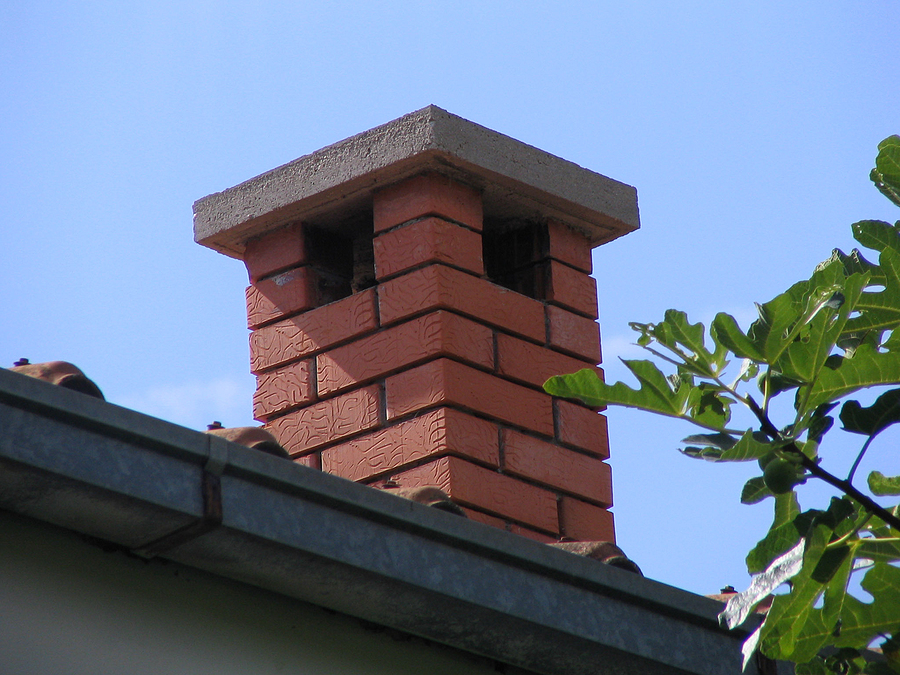
Seal all possible access points around your home. Check for cracks in the foundation, loose siding, damaged vents, or gaps around utility lines. Install chimney caps to prevent raccoons from nesting inside your chimney, a favorite denning location.

Professional Raccoon Removal Services

Professional wildlife removal services understand both raccoon behavior and Indiana Department of Natural Resources regulations governing raccoon removal and relocation. These experts use humane exclusion methods, such as one-way doors, that encourage raccoons to leave without harm.

Licensed raccoon trappers possess the necessary permits required for legal trapping and relocation in Indiana. They follow ethical guidelines that ensure compliance with state regulations while prioritizing animal welfare.

Professional services also provide comprehensive solutions beyond removal. They identify and seal entry points, clean contaminated areas safely, and offer ongoing prevention strategies to prevent future intrusions.

FAQ’s

1. What should I do if I discover a raccoon in my attic? 

If you find a raccoon in your attic, avoid direct confrontation, as raccoons can become defensive. Contact a licensed wildlife control professional to assess the situation safely and humanely.

2. Are raccoons dangerous to humans or pets? 

Yes, raccoons can carry diseases such as rabies or leptospirosis, and their droppings may harbor harmful parasites. Additionally, they may act aggressively if cornered, which could put pets at risk.

3. How can I prevent raccoons from entering my property? 

To prevent raccoons, secure garbage cans with tight lids, remove outdoor food sources, seal potential entry points in your home, and trim overhanging tree branches that provide access to rooftops.

4. Is it legal to trap and relocate raccoons myself in Indiana? 

No, trapping and relocating raccoons on your own may violate state regulations. It is essential to hire a licensed professional who understands the law and adheres to safe, ethical practices.

5. What costs are involved in raccoon removal services? 

Costs can vary depending on the extent of the infestation and the services needed, such as trapping, sealing entry points, and cleaning contaminated areas. Obtain quotes from licensed professionals for accurate pricing.

Wrapping Up

Discovering raccoons in your house requires swift, professional action. These intelligent animals pose genuine health risks and can cause extensive property damage if left unchecked. Rather than risking your safety with DIY removal attempts, trust experienced professionals who understand both raccoon behavior and legal requirements for humane wildlife control.

Don’t let raccoons turn your peaceful home into their permanent residence. Contact Indianapolis Raccoon Removal today to protect your family’s health and restore your home’s security.

Request a Free Estimate Now

Related Post: What to Do if You Have Raccoons in the Crawl Space

Synanthropes in Indiana: Wildlife Thriving Alongside Humans

Wildlife has an uncanny way of adapting to the environments we create. From raccoons raiding trash cans to deer grazing on suburban gardens, some animals thrive in close proximity to humans. These creatures, known as synanthropes, coexist with us by taking advantage of human-modified landscapes.

But what about Indiana? With its mix of urban centers, suburban sprawl, and natural areas, Indiana offers an intriguing setting for exploring synanthropes. From local folklore to practical advice on wildlife control, let’s take a closer look at these fascinating creatures and their role in Indiana’s ecosystems.

Call 317-535-4605 to Reach Our Licensed Indiana Raccoon Removal Professionals

What Are Synanthropes?

Synanthropes are animals that adapt exceptionally well to living near humans. Unlike wildlife that actively avoids human-dominated areas, synanthropes find ways to thrive. Common examples include raccoons, coyotes, and deer, all of which are known for their incredible adaptability.

These animals aren’t necessarily pests. They play key roles in ecosystems, even in urban and suburban environments. However, their proximity to humans can sometimes create conflicts, such as raided trash cans, garden destruction, or the occasional wildlife sighting that causes alarm.

Historical and Folklore Evidence of Synanthropes in Indiana

Indiana is no stranger to wildlife stories. Historical accounts and anecdotal evidence are rife with tales of animals adapting to human environments. For instance, older Hoosier residents may recall stories of raccoons living in barn rafters or deer regularly appearing on farmland close to suburban areas.

Local legends also highlight the cultural impact of synanthropes. Stories of elusive coyotes lurking on the edges of towns have circulated for decades, sometimes giving these animals an almost mythical status. While not all of these accounts are based on verified data, they hint at Indiana’s long-standing relationship with synanthropic species.

Contact Us for Indiana Raccoon Removal

Why Indiana’s Environment Fosters Synanthropic Wildlife

Indiana’s varied landscapes make it a natural haven for synanthropes. Here’s why:

Urban and Suburban Areas

Raccoons thrive in Indiana’s urban and suburban settings, where trash cans, compost bins, and pet food left outdoors provide a steady food source. Similarly, coyotes adapt by frequenting parks, golf courses, and green spaces that offer shelter and prey like rodents.

Agricultural Zones

Indiana’s agricultural landscape provides unique opportunities for deer. Croplands offer a buffet of food options, while wooded areas at field edges serve as excellent cover. This blend of farmland and nearby forests is ideal for synanthropic deer populations.

Natural Areas

The state’s rich biodiversity is also a draw. From dense woodlands to flowing rivers, these habitats allow synanthropes to balance their interactions with human settlements and more traditional wildlife survival strategies.

The Cultural Impact of Synanthropes in Indiana

Beyond their ecological roles, synanthropes often become embedded in local culture. Coyotes, for example, sometimes symbolize resilience and adaptability in the face of change. Meanwhile, raccoons are frequently portrayed as mischievous yet resourceful creatures.

Unfortunately, these animals’ proximity can also lead to misunderstandings and fear. Some residents may view coyotes as a threat to pets, or deer as nuisances that wreak havoc on gardens. Bridging this gap between awe and annoyance lies in understanding and education.

Safe and Humane Wildlife Control for Indiana Residents

Living alongside synanthropes doesn’t have to be a struggle. With the right approach, Indiana residents can minimize conflicts while respecting these animals’ roles in the ecosystem. Here’s how:

Contact Licensed Wildlife Professionals – For persistent issues, always turn to licensed experts like Indiana Raccoon Removal for removal and management. They ensure humane and legal handling of wildlife. They can also inspect homes and buildings for potential entry points, sealing them to prevent future invasions.

Avoid Direct Contact – Wild animals can carry diseases. Never attempt to handle them on your own. Instead, reach out for professional assistance.

Implement Humane Deterrents – Motion-activated lights, noise devices, or even certain scents can effectively deter animals like raccoons and coyotes from venturing too close to your property.

Secure Attractants – Properly seal trash cans and compost bins to eliminate easy food sources. Avoid leaving pet food or birdseed outdoors overnight.

Promote Community Education – Work with neighbors to ensure a coordinated approach to wildlife management. When everyone follows best practices, it reduces incidents across the neighborhood.

Support Conservation Initiatives – Join local efforts that focus on wildlife education and ecosystem preservation. Supporting organizations that promote balance between humans and wildlife ensures a healthier environment for all.

Contact Indiana DNR – For state-specific regulations and guidelines, reach out to the Indiana Department of Natural Resources. They provide valuable resources and advice tailored to Indiana’s unique ecosystem.

Building Awareness Around Synanthropes

Understanding synanthropes and their presence in Indiana is an ongoing process. Each sighting, each anecdote, and each study adds to our collective knowledge about how we coexist with these adaptable animals. It’s a topic that sits at the nexus of ecology, urban planning, and community living.

By fostering awareness, we can bridge the gap between admiration and practicality, allowing wildlife and human life to coexist harmoniously. Indiana’s residents have a unique opportunity to shape how synanthropes are perceived, managed, and even celebrated.

In Summary

Living alongside synanthropes like raccoons, coyotes, and deer doesn’t have to be a source of friction. With the right tools, knowledge, and community collaboration, Indiana residents can enjoy the benefits of local biodiversity while minimizing conflicts.

If you’re dealing with a nuisance raccoon challenge, contact Indianapolis Raccoon Removal today. We offer humane raccoon removal and control service in Central Indiana.

Schedule a Raccoon Inspection Now

Related Post: Critter Control: Expert Tips on Deterring Raccoons

What to Do if You Have Raccoons in the Crawl Space

Having raccoons in your crawl space is more than just a nuisance. These intelligent, nocturnal creatures can wreak havoc on your home, spreading diseases, causing costly damage, and disrupting your peace of mind. If you suspect raccoons have moved in under your home, you’re not alone. This guide will provide the steps you need to take for raccoon removal and highlight how to prevent these unwelcome guests from returning.

From identifying the signs of raccoon activity to understanding the risks they pose, you’ll learn everything you need to know—including when it’s time to call in the professionals.

Call 317-535-4605 if You Found Raccoons in Your Crawl Space in Indianapolis

Identifying Raccoons in the Crawl Space

Raccoons are resourceful animals known for exploiting crawl spaces as a cozy nesting spot. But how can you tell if they’ve made themselves at home on your property? Here are some telltale signs:

  • Nocturnal Activity: Raccoons are active at night. Scratching, thumping, or chittering noises after dark could indicate their presence.
  • Tracks and Droppings: Look for small, hand-like tracks near the crawl space or distinctive droppings around the area.
  • Nesting Materials: Raccoons often gather insulation, paper, and other debris to create nests.
  • Odors: A musky, unpleasant smell could indicate raccoon urine or droppings.
  • Damaged Insulation or Wiring: Raccoons may tear insulation for nesting or chew electrical wiring, which can be dangerous.
  • Visible Entry Points: Check for gaps, broken vent covers, or other openings that provide access to your crawl space.

If you see one or more of these signs, it’s time to act.

Risks and Dangers of Raccoons in Your Crawl Space 

Raccoons may seem harmless at first glance, but their presence in your crawl space can lead to serious issues. Here’s why it’s crucial to address the problem promptly:

Health Hazards

Raccoons are carriers of diseases and parasites, such as:

  • Raccoon Roundworm (Baylisascaris): A parasite that can infect humans and pets through contaminated feces. 
  • Rabies: Though rare, raccoons are known carriers of the rabies virus
  • Leptospirosis: This bacterial infection spreads through urine and can contaminate nearby soil or water. 
  • Other Parasites: Fleas, ticks, and mites are often introduced by raccoons.

Property Damage

  • Insulation Damage: Shredded insulation leads to energy inefficiency and higher utility bills.
  • Wiring and Pipe Damage: Gnawed wires increase fire risks, while damaged pipes can cause leaks.
  • Structural Issues: Continuous digging or burrowing might destabilize your home’s foundation.
  • Foul Odors: Raccoon droppings and urine can make living conditions unpleasant.

Dealing with raccoons is not just about reclaiming your crawl space; it’s also about safeguarding your health and property.

Contact Us for Emergency Raccoon Removal

How to Remove Raccoons from Your Crawl Space 

Once you’ve identified raccoons in your crawl space, the next step is removal. Here are the two main options:

1. Humane DIY Methods 

If local regulations permit, you can try these humane approaches to remove raccoons yourself:

  • Encouragement to Leave: Use bright lights and loud sounds to make the space less inviting.
  • Exclusion Techniques: Install a one-way door on the entry point, allowing the raccoons to leave but not re-enter.
  • Check for Nests: Ensure there are no baby raccoons left behind before sealing the space.

Always wear protective gear and consider consulting local Indiana wildlife removal laws to remain compliant.

2. Call the Professionals 

Professional raccoon removal services offer several advantages:

  • Safe and humane capture techniques.
  • Expertise in finding and sealing entry points. 
  • Disinfection of the crawl space to remove health hazards. 
  • Compliance with Indiana regulations regarding wildlife relocation. 
  • A guarantee or warranty to ensure raccoons don’t return. 

By choosing professional raccoon removal services, you save time, reduce risks, and gain the peace of mind that the job is done right.

Prevention Tips for Keeping Raccoons Out 

Once you’ve removed raccoons from your crawl space, the next step is prevention to ensure they don’t come back. Here are some effective tips:

☑ Seal Entry Points

Inspect your home for gaps, broken vents, or cracks that raccoons could use as entryways. Install steel mesh or reinforced material to cover these openings.

☑ Secure Food Sources

Raccoons are scavengers. Keep pet food, trash cans, and compost bins securely sealed to avoid attracting them.

☑ Trim Trees and Shrubs

Raccoons are skilled climbers. Trim any tree branches near your home to reduce access points to the roof or crawl space.

☑ Install Motion Detectors or Deterrents

Using motion-activated lights or sprinklers can discourage raccoons from approaching your home.

☑ Maintain the Crawl Space

Keep the crawl space clean and dry. Remove potential nesting materials like old insulation or debris to make it less inviting.

Frequently Asked Questions About Raccoon Removal 

What are the signs of raccoons in my crawl space? 

Look for noises at night, tracks, droppings, nesting materials, or damaged insulation.

Is it safe to remove raccoons on my own? 

DIY methods can be effective but risky due to potential disease exposure and aggressive raccoon behavior. Professional assistance is often safer.

What diseases can raccoons carry? 

Raccoons may carry rabies, raccoon roundworm, leptospirosis, and parasites like fleas and ticks.

How can I prevent raccoons from entering my crawl space? 

Seal entry points, secure food sources, and use motion-activated deterrents.

What should I do if I find a raccoon nest in my crawl space? 

Avoid disturbing the nest. Contact a professional to safely and humanely remove it.

Are there Indiana regulations about raccoon removal? 

Yes, check local ordinances for rules around trapping and relocating raccoons.

How much does professional raccoon removal cost? 

Costs vary but typically range from $150 to $500, depending on the complexity.

What methods do professionals use to remove raccoons humanely? 

They use live traps, exclusion doors, and other techniques that minimize stress to the animals.

Take Action to Protect Your Home 

Ignoring raccoons in your crawl space can lead to serious health and property issues. Effective removal and prevention measures are essential to safeguarding your home and family.

If you’re dealing with raccoons in your crawl space, don’t wait. Contact Indianapolis Raccoon Removal today for professional, humane raccoon trapping and exclusion services, and reclaim your space with confidence.

Get a Free Quote Now

Related Post: Raccoons in the Wall? Signs to Watch For and Steps to Take

What You Need to Know About Rabies in Raccoons

Raccoons are curious, clever, and a common sight in many neighborhoods. While they may often seem harmless, these nocturnal creatures can pose serious risks, particularly when infected with the rabies virus. Rabies does not just affect animals; it’s a deadly disease that can be transmitted to humans and pets. Understanding the connection between raccoons and rabies is essential for homeowners and pet owners who want to keep their families safe.

Whether you’re concerned about preventing rabies in your pets, managing wildlife on your property, or protecting your community, this guide will equip you with the knowledge to take smart, proactive steps.

Call 317-535-4605 For Licensed Raccoon Control Service in Indianapolis

Understanding Rabies and Its Impact on Raccoons and Humans

Rabies is a viral disease that affects the central nervous system of mammals. It’s transmitted through bites or scratches from infected animals or by coming into contact with their saliva. Raccoons are among the most common rabies carriers in the United States, alongside bats, foxes, and skunks.

The Centers for Disease Control and Prevention (CDC) reports that while human cases of rabies are rare in the U.S. due to widespread pet vaccinations, the threat still exists when raccoon populations and human environments overlap. It’s vital to stay educated about the seriousness of rabies, particularly when protecting children, pets, and those in your community.

Key Signs and Symptoms of Rabid Raccoons

Spotting a rabid raccoon early can make all the difference in preventing exposure. While not all raccoons with odd behavior are rabid, knowing the key symptoms is critical. Here are the telltale signs of a rabid raccoon:

  • Aggression: Unprovoked growling, biting, or lunging at people or pets.
  • Disorientation: Stumbling, wandering aimlessly, or appearing dizzy.
  • Unusual Boldness: Approaching humans or venturing into brightly lit or noisy areas.
  • Excessive Salivation or Foaming at the Mouth: A classic rabies symptom.
  • Nocturnal Activity During the Day: Healthy raccoons are nocturnal, so daytime activity could be a red flag.

If you suspect a raccoon may be rabid, avoid approaching it and follow the safety measures outlined below.

Vaccinations and Preventative Measures for Pets

One of the best defenses against rabies is ensuring your pets are vaccinated. Indiana law requires all dogs, cats, and ferrets over three months old to be vaccinated against rabies. Keep your pet’s vaccinations up to date, as this is crucial to their protection and compliance with local regulations.

Here’s how you can further protect your pets:

  • Supervise Outdoor Time: Avoid letting pets roam freely where they might encounter raccoons or other wildlife.
  • Avoid Feeding Pets Outside: Pet food can attract raccoons to your yard. Feed your pets indoors whenever possible.
  • Inspect Play Areas: Regularly check yards and outdoor enclosures for raccoon activity or droppings, which can carry other raccoon diseases like leptospirosis or roundworm.

If you’re unsure about your pet’s vaccination status, contact your veterinarian immediately to schedule an appointment.

Controlling Raccoon Activity on Your Property

Raccoons are resourceful creatures that are often drawn to human habitats for easy food or shelter. By making your property less appealing, you can reduce the likelihood of encounters.

  • Secure Trash Bins: Use tightly sealed bins, preferably those with locking lids, to prevent raccoons from scavenging for a midnight snack.
  • Block Access to Attics and Crawl Spaces: Raccoons love quiet places to nest. Seal off entry points to your home by checking for gaps, holes, or loose vents.
  • Remove Food Sources: Pick up fallen fruit from trees, clean grills after use, and avoid leaving pet food in your yard.
  • Maintain Landscaping: Trim branches and bushes regularly to reduce hiding spots. Store firewood at least 20 feet from your home.

Small changes can go a long way toward keeping raccoons at bay and your property secure.

Learn More About Raccoon Control

What to Do If You Encounter a Rabid Raccoon

Coming face-to-face with a potentially rabid raccoon can be alarming, but knowing what to do can keep you safe.

  1. Do Not Approach: Maintain a safe distance from the raccoon. It’s best to avoid handling or attempting to confine it, even with protective equipment.
  2. Secure Pets and Family Members: Quickly bring pets indoors and ensure children stay away from the animal.
  3. Contact Wildlife Control: Notify your local wildlife control or animal services organization to handle the situation. They’re trained to safely capture and remove the animal.
  4. Report Human or Pet Exposure Immediately: If someone has been bitten or scratched, wash the wound thoroughly with soap and water and contact your local health department or healthcare provider for post-exposure prophylaxis (PEP). For pets, consult your veterinarian promptly.

Debunking Common Myths About Rabies and Raccoons

There’s plenty of misinformation around rabies and raccoons. Here’s the truth behind some of the most common myths:

Myth: You can tell if an animal has rabies by looking at it. 
Truth: Not all rabid animals show visible symptoms immediately.

Myth: Rabies only spreads through bites. 
Truth: While bites are the most common method, scratches that break the skin or contact with saliva on open wounds can also transmit the virus.

Myth: Rabies is rare, so it’s not worth worrying about. 
Truth: Rabies is always fatal without prompt treatment, making awareness and prevention critical.

Signs You Need Professional Raccoon Removal and Control

Sometimes, despite your best efforts, raccoons may still find their way onto your property. Here are signs it’s time to call for professional raccoon removal:

  • Repeated sightings of raccoons near your home or secondary structures like sheds.
  • Raccoons inside your attic, crawl space, or garage.
  • Evidence of raccoons digging in your yard or damaging trash bins.
  • Hearing unusual scratching or squeaking noises at night.

Professional wildlife control experts have the tools and training to handle raccoon removal safely and in compliance with local regulations. They can also provide long-term raccoon control solutions to prevent future problems.

In Summary

Raccoons and rabies are serious public health concerns, but with the right precautions, you can protect your home, pets, and community. Stay vigilant by keeping an eye out for rabies signs, vaccinating your pets, and making your property less welcoming to wildlife.

If you’ve spotted a rabid raccoon near your property or suspect an infestation, don’t wait. Contact Indianapolis Raccoon Removal for professional service. Together, we can keep your loved ones safe and help curb the spread of the rabies virus in your neighborhood.

Schedule a Raccoon Removal Estimate

Related Post: Common Traits of a Rabid Raccoon

How to Inspect Your Home and Property for Raccoon Infestations 

Raccoons may look cute and cuddly, but when they invade your home, they can quickly turn into a homeowner’s worst nightmare. These clever nocturnal creatures are attracted to human dwellings for the abundant shelter and food supply they provide. Once inside, raccoons can cause significant property damage, contamination, and even health hazards for you and your loved ones. 

This blog will guide you through understanding raccoon behavior, identifying their entry points, inspecting your home for signs of infestation, and taking proactive steps to prevent future issues. By following these steps, you can protect your property and maintain a safe living environment. 

Call 317-535-4605 For Local Raccoon Removal Service in Indianapolis
Call 317-535-4605 For Trusted Raccoon Removal Service in Indianapolis

Understanding Raccoon Behavior 

To tackle a raccoon infestation, you must first understand the behavior and habits of these wily animals. Raccoons are intelligent, resourceful, and opportunistic nocturnal creatures. Here’s what you need to know to spot them early:

  • Activity Hours: Raccoons are most active at night, using the darkness to forage for food and explore their surroundings. 
  • Food Sources: They are not picky eaters and can thrive on garbage, pet food, fruits, and other easy-to-access food sources. 
  • Shelter Preferences: Raccoons seek warm, dry spaces like attics, basements, sheds, or under decks to nest and raise their young. 

Common Signs:

  • Scattered trash or overturned garbage bins
  • Noises at night, such as scratching or shuffling
  • Paw prints or tracks near your home 

Knowing these behaviors can help you stay alert to potential raccoon activity on your property. 

Identifying Raccoon Entry Points 

Raccoons are excellent climbers and problem-solvers, meaning they can exploit even the tiniest vulnerabilities in your home. Here are some common entry points to watch for:

  • Chimneys: Uncapped chimneys are an open invitation for raccoons to nest. 
  • Roof Vents and Shingles: Loose or damaged areas of the roof are perfect for raccoons looking to gain access. 
  • Crawl Spaces and Foundations: Gaps, cracks, or holes at the base of your home can become entryways. 
  • Walls and Attics: Unsealed siding or soffits offer raccoons an easy way inside. 

Take time to inspect these areas regularly to catch any signs of tampering or wear. 

Inspecting the Exterior of Your Premises

A thorough exterior home inspection can reveal whether nuisance raccoons are targeting your property. Follow these steps:

1. Check Around Garbage Bins:

  • Look for signs of scavenging, like tipped-over bins or scattered food.
  • Securely fasten lids to deter future visits. 

2. Inspect the Roof:

  • Look for claw marks, scratches, or damaged shingles. 
  • Examine soffits and vents for signs of prying or removal. 

3. Survey Crawlspaces and Basements:

  • Identify any holes or cracks in the foundation. 
  • Check for fur, droppings, or paw prints near access points. 

4. Examine Trees and Shrubs:

  • Overhanging branches near your roof can provide raccoon access. 
  • Trim back vegetation for added protection. 

Learn More About Raccoon Removal

Inspecting the Interior of Your Residence

Once raccoons have found a way into your home, they leave plenty of evidence in their wake. Conduct an interior inspection focusing on the following areas:

Attic:

  • Listen for scratching or squealing sounds, especially at night. 
  • Look for droppings, nesting materials, or chewed insulation. 

Basement or Crawl Space:

  • Check corners, beams, and walls for urine stains or fur. 
  • Be wary of an unfamiliar musky odor. 

Walls and Ceilings:

  • Inspect for signs of damage, such as holes or gnawed sections.  
  • Be mindful of any odd smells coming through vents, as it may indicate feces accumulation. 

Addressing a Raccoon Infestation

If you find evidence of a raccoon infestation, it’s time to take action. Here’s how to handle the situation safely and effectively:

1. Avoid Direct Contact: Never attempt to trap or touch a raccoon on your own, as they can carry diseases such as rabies. 

2. Call a Professional Raccoon Removal Service for:

  • Expert Assessment: Professionals can locate all entry points and assess the extent of the infestation. 
  • Safe Removal: Choose humane and Eco-friendly removal methods. 
  • Cleanup and Disinfection: Professionals are equipped to clean and sanitize contaminated areas
  • Long-Term Solutions: Wildlife control experts like Indianapolis Raccoon Removal can help prevent future infestations through custom strategies. 

Raccoon Proofing and Prevention Tips 

After removing nuisance raccoons, it’s critical to protect your home from future invasions. Use these proactive measures:

Secure Garbage Bins:

  • Invest in heavy-duty trash cans with tight-fitting lids. 
  • Store garbage indoors or in a sealed shed until pickup day. 

Seal Entry Points:

  • Repair cracks in your foundation, walls, and roof. 
  • Install screens over vents and mesh covers over chimneys. 

Trim Trees and Shrubs: Keep branches at least 10 feet away from your roof. 

☑ Install Chimney Caps: Use sturdy chimney caps to prevent raccoons from entering. 

Use Motion-Activated Deterrents: Install lights, sprinklers, or alarms to scare off raccoons attempting entry. 

Regular Inspections: Perform routine inspections of your home and property to catch early warning signs. 

Consult Professionals: For a comprehensive raccoon control plan, seek advice from a wildlife control service. 

Conclusion

By taking proactive measures and following these steps, you can effectively safeguard your home against raccoon intrusions. Preventive maintenance, consistent vigilance, and the use of humane deterrents are key to keeping these clever creatures at bay. Remember, being informed and prepared is your best defense. If challenges persist, don’t hesitate to consult with professionals to ensure your home remains a safe and secure environment for you and your family.

If you’re in the Midwest and suspect raccoon activity, schedule a professional raccoon inspection with our team at Indianapolis Raccoon Removal. With expertise in humane removal and prevention, we ensure your home remains safe, secure, and raccoon-free. 

Schedule a Raccoon Inspection Now

Related Post: Fortify Your Fortress: How to Seal Your Home Against Raccoon Intrusions

Raccoons in the Wall? Signs to Watch For and Steps to Take 

Raccoons might seem cute in the wild, but they quickly become a nightmare when they invade your home. These nocturnal creatures are notorious for seeking shelter in attics, walls, and other cozy nooks of suburban and urban homes. Not only can raccoons cause significant property damage, but they also bring health risks to you and your family. 

Are you hearing strange noises coming from your walls? Noticing odd smells that weren’t there before? It’s possible that raccoons have moved in. This blog will help you identify the signs of raccoons in your walls, explain the risks involved, and guide you through the proper steps to safely and humanely handle the situation. 

Call 317-535-4605 For Licensed Indianapolis Raccoon Removal Service

How to Identify Raccoons in Walls 

Raccoons are crafty creatures, often sneaking into homes unnoticed. However, they tend to leave behind telltale signs. Here’s what to look (and listen) for: 

1. Noises in the Wall

Raccoons are nocturnal, meaning they’re most active at night. If you hear scratching, squeaking, or rustling sounds in your walls or attic during the evening or nighttime hours, it could be a raccoon family settling in. 

2. Droppings

Raccoon droppings, often found near entry points or within walls, are a strong indicator. Their feces can be a health hazard, often carrying harmful parasites and bacteria. 

3. Odors

A strong, musky odor can indicate the presence of raccoons. Combined with the smell of their droppings or urine, this can become unbearable if left unchecked. 

4. Visible Damage

Raccoons often tear through insulation, chew on wires, and widen entry points like vents or chimneys. If you notice damage to your home’s exterior or attic insulation, raccoons could be the culprits. 

5. Tracks and Smudges

Raccoons leave tracks or smudgy paw prints on walls, windowsills, or access points they frequently use. Look for these marks near possible entry areas. 

The Health and Safety Risks of Raccoons 

Raccoons might look harmless, but their presence in your home poses significant risks, such as the following:

Health Hazards

  • Raccoon Diseases: Raccoons carry harmful pathogens like leptospirosis, raccoon roundworm, and salmonella. They can also spread rabies through bites or scratches. 
  • Allergies: Raccoon droppings can trigger allergic reactions in sensitive individuals. 
  • Parasites: Fleas, mites, and ticks carried by raccoons can easily infest your home. 

Property Damage

  • Chewed Wires: Raccoons chew wires, which can lead to electrical fires. 
  • Destroyed Insulation: Damaged insulation caused by nesting raccoons lowers energy efficiency and increases heating/cooling costs. 
  • Structural Damage: These animals can weaken the integrity of your walls, roof, and attic with their constant digging and chewing. 

Protecting your home and family from these risks is essential—especially if you suspect raccoons in your walls. 

What to Do After Finding Raccoons in the House

When you first discover raccoons in your house or walls, it’s crucial to act safely and swiftly. Avoid direct confrontation, as they may become aggressive if they feel threatened. Follow these steps instead:

  1. Stay Calm: Avoid loud noises or attempts to force the raccoons out yourself. This can escalate the situation.
  2. Isolate the Area: Close off the space where the raccoons are nesting to prevent them from spreading to other parts of your home. 
  3. Do NOT Attempt DIY Removal: Trapping or handling raccoons without proper training can harm you and the animals. Additionally, wildlife removal is regulated in many regions, including Indiana, to ensure humane practices. 
  4. Call a Licensed Wildlife Control Expert: Professional raccoon removal services are the safest and most effective option. 

Why Professional Raccoon Removal Matters 

Hiring a licensed wildlife removal expert ensures the problem is addressed safely and efficiently. Here’s what professional raccoon control typically involves:

  • Comprehensive Inspection: Professionals identify all points of entry, locate the raccoons, and assess the infestation’s extent. 
  • Humane Techniques: Experts use humane methods, such as live trapping, to safely remove raccoons without causing them harm. 
  • Damage Repair: Raccoons often leave destruction in their wake. Professionals repair chewed wires, damaged insulation, and structural issues. 
  • Sanitation Services: Thorough cleaning and disinfecting areas affected by raccoon waste to eliminate harmful bacteria and odors. 
  • Exclusion Solutions: To prevent future infestations, entry points are sealed off, chimneys are capped, and preventative measures are implemented. 

Professional raccoon removal also ensures you comply with important wildlife removal regulations in Indiana, helping you avoid fines for improper handling. 

Keeping Raccoons Out for Good 

After dealing with raccoons in your walls, prevention is key. Follow these tips to keep them from returning:

  • Seal Entry Points like cracks, gaps, or holes in walls, roofs, and pipes. 
  • Secure Trash Cans with tight-fitting lids to remove easy food access. 
  • Trim Trees and Shrubs near your home to prevent raccoons from climbing onto your roof. 
  • Install Chimney Caps to block them from entering through chimneys. 
  • Remove Outdoor Food Sources, such as pet food left outside or fallen fruit in your yard. 
  • Install Motion-Activated Lights to create an uninviting environment for nocturnal pests. 
  • Conduct Regular Inspections of your home’s exterior for potential entry points or signs of activity. 

Key Takeaways

Raccoons in your walls are more than just an inconvenience—they’re a risk to your health, safety, and property. By understanding the signs, hazards, and proper steps to manage an infestation, you can ensure the well-being of your home and loved ones. 

For professional and humane raccoon removal services, trust licensed wildlife control experts to handle the job. Call us today for expert raccoon control services and reclaim your peace of mind. 

Remember, when it comes to raccoon infestations, early intervention is key. Contact Indianapolis Raccoon Removal at 317-535-4605 for licensed and insured raccoon removal and control services in Indianapolis, Indiana, today. We also provide raccoon infestation cleanup and attic repair.

Related Posts:

Porch Protection 101: Getting Rid of Nuisance Raccoons for Good
Dealing with the Damage Caused by Raccoons in Your Attic
The Unseen Dangers of Raccoons Nesting in Your Chimney

Raccoon Roundworm: A Threat to Your Pet’s Health and Home Safety

Raccoons might seem harmless as they scavenge through your trash or wander through your yard, but they can pose a significant risk to both your pets and your family. One of the lesser-known dangers associated with raccoons is raccoon roundworm (Baylisascaris procyonis). This zoonotic disease can infect pets, and in rare cases, humans, leading to severe health issues.

If you’re a pet owner or homeowner, understanding the risks, recognizing symptoms, and taking preventive actions can protect your loved ones and maintain the safety of your home. This blog will guide you through what raccoon roundworm is, how it spreads, and how to safeguard your pets and property.

Call 317-535-4605 For Local Raccoon Control Service in Indianapolis

What is Raccoon Roundworm?

Raccoon roundworm is a parasite commonly found in raccoons, particularly in North America. According to the Centers for Disease Control and Prevention (CDC), as many as 70–80% of raccoons in some areas are infected. While raccoons are the natural host of this parasite, other mammals, including dogs and cats, can accidentally ingest roundworm eggs and become infected.

The eggs are primarily shed in raccoon feces, where they can last for years if conditions are favorable. Once ingested, the larvae migrate through the body, potentially causing organ damage or neurological issues. This makes roundworm not only a threat to pet health but also a concern for human safety.

Understanding the Life Cycle of Raccoon Roundworm

To appreciate the risks posed by raccoon roundworm, understanding its life cycle is essential. Pets, especially curious dogs that roam outdoors, are at higher risk of accidental ingestion, making preventive measures critical for their well-being.

  1. Egg Shedding: Raccoons infected with roundworm shed millions of eggs in their feces. These eggs are not immediately infectious but become so within 2–4 weeks after being deposited.
  2. Transmission: Eggs can contaminate soil, water, or surfaces where raccoons frequent, such as gardens, backyards, or even attics. Pets are often exposed when they sniff or eat contaminated soil, grass, or even raccoon feces.
  3. Larval Migration: Once ingested, the eggs hatch into larvae inside the host’s intestine. These larvae can migrate to other tissues, including the brain, eyes, and spinal cord, causing severe health problems.

Signs and Symptoms of Raccoon Roundworm Infection in Pets

Early identification of infection in pets is crucial to prevent long-term health complications. However, raccoon roundworm infections are often tricky to diagnose, as symptoms can vary depending on the severity of the larval migration.

Common Signs to Watch Out For:

  • Digestive Issues: Vomiting, diarrhea, or a bloated abdomen.
  • Behavioral Changes: Unusual lethargy, restlessness, or aggression.
  • Neurological Symptoms: Tremors, loss of coordination, or partial paralysis indicate severe cases.

If you notice these symptoms in your pet, immediate veterinary attention is critical. Early intervention can significantly improve outcomes and prevent further complications.

How to Protect Your Pets from Raccoon Roundworm

Fortunately, there are numerous steps you can take to protect your pets and minimize the risk of exposure to raccoon roundworm.

1. Secure Outdoor Spaces

Raccoons are drawn to food sources near homes. Keep outdoor dining areas clean, store trash in raccoon-proof containers, and remove pet food or birdseed from your yard to discourage raccoon visits.

2. Dispose of Waste Safely

Raccoon feces are the primary source of roundworm eggs. Use gloves to handle and safely dispose of any feces found on your property. Clean contaminated areas with boiling water or a torch flame to kill the eggs.

3. Regular Veterinary Check-Ups

A consistent veterinary care schedule can help identify potential infections early. Your vet may recommend de-worming treatments, which can address and prevent various parasitic infections, including roundworm.

4. Avoid Contact with Raccoons

Never approach or feed raccoons. Teach children to avoid unfamiliar animals and discourage your pets from chasing them.

5. Use Raccoon Repellent

Commercial raccoon repellents or natural deterrents, such as ammonia-soaked rags, can help keep raccoons away from your property. Sprinkle repellents around garden beds, trash cans, and entry points.

6. Keep Your Home Animal-Proof

Inspect your home for potential raccoon entry points, such as gaps in the roof, vents, or chimneys. Seal these areas to prevent raccoons from nesting in your attic or crawl spaces.

The Importance of Early Detection and Treatment

If your pet is exposed to raccoon roundworm, early detection can make all the difference. Your veterinarian may perform stool tests, imaging, or bloodwork to confirm the presence and severity of the infection. With appropriate anti-parasitic treatments and supportive care, most pets recover well.

Ignoring the problem can lead to escalating health issues that might result in more invasive medical treatments or permanent damage. Staying vigilant and acting quickly ensures the best outcome for your fur family.

Expert Tips on Managing Nuisance Raccoons

Dealing with raccoons on your property requires a proactive approach.

DIY Strategies

  • Secure Food and Shelter: Remove food scraps, secure trash bins, and block nesting sites in attics or decks.
  • Install Motion-Activated Deterrents: Devices like sprinkler systems or lights can scare raccoons off your property.

When to Call a Professional Wildlife Control Service

If DIY methods fail, it’s time to consult a professional wildlife control service. Experts can safely and humanely remove raccoons from your property while addressing potential roundworm risks. Look for licensed specialists who adhere to ethical wildlife management practices.

Final Thoughts

Raccoon roundworm poses a real threat to your pets, family, and home, but prevention and early action can make all the difference. By securing your property, avoiding contact with raccoons, and prioritizing your pet’s health through regular veterinary visits, you can significantly reduce the risks.

If you’re unsure about handling a raccoon problem or suspect an infection in your pet, don’t hesitate to consult a licensed wildlife control operator or your trusted veterinarian. Taking these simple yet effective precautions will keep your pets happy, healthy, and safe.

Start protecting your pets today and check out additional resources on zoonotic diseases and wildlife control from the CDC or ASPCA.

Are you seeing too many raccoons around your house each night? Contact our wildlife control operators at 317-535-4605 for prompt and professional Indianapolis raccoon removal services you can trust.

Related Posts:

How to Spot the Signs of Rabies in a Raccoon
Leptospirosis is a Common Bacterial Disease in Raccoons
How to Protect Pets From Wild Raccoons

Raccoon Sounds: The Tell-Tale Signs of an Infestation

Have you been hearing strange noises around your home lately? Scratches in the attic, thumps in the walls, or rustling under the porch? These unusual sounds could indicate you have some uninvited guests—raccoons. Recognizing the signs of a raccoon infestation early can save you from costly damage and reduce the risk of health issues associated with these wild animals.

This guide will walk you through the common noises made by raccoons, explain when and where you might hear them, and outline how to confirm their presence. Plus, we’ll offer practical prevention tips to keep your home raccoon-free and stress-free. If you’ve noticed odd sounds and suspect raccoons, read on to learn how to handle the situation effectively.

Call 317-535-4605 to Safely Remove Raccoons in the Attic in Your Indianapolis Home or Business

Sounds and Noises That Raccoons Make

Raccoons are known for their cleverness and dexterity, but what often gives them away in homes is the noise they make. If you’re attuned to the noises in your house, certain sounds can serve as key indicators of a raccoon infestation. These include:

Scratching and Scuffling

Raccoons are excellent climbers and scratchers. If they’ve made their way into your attic or walls, you’re likely to hear scratching and scuffling sounds, often caused by their sharp claws as they move around. This is most common at night since raccoons are nocturnal and are typically active after dusk.

Thumping and Thudding

Raccoons are not light on their feet. If they’re running around above you in the attic or scurrying across the roof, you might notice heavy thumps or thuds. This is especially common during their active feeding hours, usually late evening or early morning.

Chirping and Whining

If raccoons have nested in your home, you might hear high-pitched chirps or whining sounds. These noises generally come from baby raccoons (called kits), as they cry for their mother’s attention. Hearing this sound usually means they’ve settled and created a den, often in your attic or a crawl space.

Growling or Screeching

Adult raccoons occasionally growl, screech, or make aggressive sounds, particularly if they feel threatened or are fighting each other. These defensive noises can be alarming and signify a serious infestation.

Rustling

If you hear rustling in odd places like your attic, under the porch, or around trash cans, it could be raccoons digging through insulation, debris, or even garbage in search of food.

Where and When to Listen for Raccoon Activity

Timing and location play a significant role in identifying raccoons. Here’s what to keep in mind:

  • Attic: If the sounds are coming from above or you notice scratching and movement in your ceiling, raccoons are likely to have entered through vents, shingles, or weak roof structures.
  • Under the Porch or Deck: Rustling or squeaking under these outdoor spaces often indicates that raccoons have nested below.
  • Near Walls: Raccoons sometimes crawl through wall gaps, resulting in odd noises within your walls.
  • At Night: Since raccoons are nocturnal, their activity typically peaks during nighttime hours. If you frequently hear disruptive noises after dark, raccoons could be the culprits.

The Damage and Risks of Raccoon Infestations

Allowing raccoons to remain in your home can result in extensive damage and health risks. Here’s what you should be aware of:

Structural Damage

  • Raccoons can rip apart insulation, chew through wiring, and gnaw on wooden beams, causing significant structural harm.
  • They may create entry points in your roof or siding, making the home vulnerable to water leaks and other pests.

Health Risks

  • Raccoons are known to carry harmful diseases, including rabies and raccoon roundworms (Baylisascaris procyonis), which can infect humans and pets.
  • Their feces and urine can lead to contamination and pose respiratory risks if inhaled.

Property Damage

  • Raccoons are notorious for rummaging through trash, creating scattered debris and waste around your property.
  • They can damage ductwork or HVAC systems if they nest in basements or attics.

How to Confirm a Raccoon Infestation

If you suspect raccoons have invaded your home but need confirmation, follow these steps:

  1. Inspect Entry Points – Check for visible damage or gaps around your roof, attic vents, chimneys, and porch. Raccoons often leave claw marks or fur behind as evidence.
  2. Look for Droppings – Raccoon droppings are larger than those of rodents and can typically be found near their nesting area. Be cautious, as raccoon waste can harbor harmful bacteria and parasites.
  3. Listen at Night – Pay close attention to nighttime activity. The combination of sounds we mentioned earlier—scratching, rustling, and thudding—are strong indicators of raccoons.
  4. Use Flour or Powder Traps – Sprinkle a layer of flour near suspected entry points or nesting sites. Check for raccoon paw prints the following day.
  5. Call a Wildlife Professional – If you’re unsure or feel unequipped to deal with the problem, reach out to a raccoon removal service. These professionals can safely and effectively confirm and handle an infestation.

Prevention Tips to Keep Raccoons Out for Good

Preventing raccoons from entering your home is far easier—and less expensive—than dealing with an infestation. Here are ways to keep them out:

  • Seal Entry Points: Inspect and seal any holes, gaps, or damaged areas in your roof, siding, attic vents, and chimney.
  • Secure Trash: Use raccoon-proof trash cans with lids that lock securely. Avoid leaving food scraps outdoors.
  • Install Motion-Activated Lights: Bright lights can deter nocturnal raccoons from approaching your property.
  • Use Raccoon Repellents: Sprinkling repellent solutions or using ultrasonic devices can discourage raccoons from nesting around your home.
  • Trim Trees: Remove low-hanging tree branches near your roof to eliminate potential access points.

Final Thoughts

Unusual sounds in your home should never go ignored. Whether you’ve heard chirps in the attic, rustling under the porch, or thuds on the roof, knowing the signs of a raccoon infestation is the first step to solving the problem.

Need help with raccoon removal? Don’t wait for the damage to worsen—contact a wildlife removal service today for fast and efficient assistance. Protect your home, your health, and your peace of mind with professional raccoon control solutions.

Do you want to safely remove raccoons and prevent future animal problems on your property? Contact our wildlife pros at 317-535-4605 for prompt and affordable Indianapolis raccoon control services you can trust. We serve residential and commercial properties throughout the metro area.

Related Posts:

How to Determine if You Have an Infestation of Raccoons in Your Home
Top 10 Tips for Effective Raccoon Removal: Keep Your Property Safe
How Raccoon-Proof Do You Think Your House Is?

The Night Raiders: A Guide to Nocturnal Raccoons

Raccoons, known for their characteristic black eyes and dexterous front paws, have long intrigued both homeowners and wildlife enthusiasts. These nocturnal animals are often seen as clever night raiders, scavenging through suburban neighborhoods and wooded areas alike. But why do these fascinating creatures prefer the night, and what role do they play in our ecosystem?

In this post, we’ll explore the secret lives of raccoons, their nocturnal behavior, interactions with humans, and tips for peaceful coexistence. Whether you’re a curious homeowner or a wildlife lover, read on to uncover the mysteries of raccoon behavior and how we can better understand and respect these masked bandits of the night.

Call 317-535-4605 For Professional Raccoon Removal in Indianapolis

Nocturnal Raccoons in North America

Raccoons are versatile creatures that have adapted to live in a variety of environments across North America. From bustling urban areas to serene countryside settings, raccoons make their homes wherever they find food, water, and shelter. Named for their distinctive mask-like facial markings and ringed tails, raccoons are highly recognizable to many people.

Raccoons are primarily nocturnal animals, meaning they are most active at night. This nocturnal nature is an evolutionary adaptation that helps them avoid predators and human activity during the day. Their keen senses and agile movements allow them to forage for food under the cover of darkness, making them expert night raiders.

Understanding raccoon behavior is crucial for anyone who shares a habitat with these animals. Not only do they have unique habits and dietary needs, but they also pose several threats to homes and businesses. From structural damage and tampering to health and safety risks, raccoons can bring about a lot of trouble during their nightly explorations. By studying their nocturnal lifestyle, we can gain insight into their behavior and the best ways to prevent nuisance raccoon problems.

The Nocturnal Lifestyle

Raccoons have evolved to thrive in the nighttime hours, exhibiting a range of behaviors and skills that support their nocturnal lifestyle. One key aspect of their nocturnal adaptation is their diet. Raccoons are omnivorous, meaning they eat a wide variety of foods such as fruits, insects, small animals, and even human leftovers. Their foraging habits are well-suited to the night, as they use their sharp sense of smell to locate food sources in the dark.

In addition to their varied diet, raccoons are known for their social behavior during nighttime forays. While typically solitary animals, raccoons sometimes form loose groups called “nursery bands,” especially during mating season. These social gatherings provide safety in numbers and the opportunity to share food sources.

Raccoons have developed physical adaptations that complement their nocturnal lifestyle. Their sensitive, nimble paws are perfect for manipulating objects and opening containers, allowing them access to a wide range of food sources. Their keen eyesight and acute hearing help them detect predators and other threats in the dark, further enhancing their ability to thrive at night.

Raccoons in the Suburbs

Interactions between raccoons and humans are common, especially in urban and suburban areas where raccoons often scavenge for food. These encounters can sometimes lead to conflicts, as raccoons may raid trash cans, gardens, and bird feeders in search of a meal. While their curiosity and opportunistic feeding behavior can be frustrating, there are ways to coexist peacefully with these nocturnal animals.

One of the main challenges raccoons pose is their ability to access food and shelter in human environments. Homeowners can take steps to raccoon-proof their property by securing trash cans with tight-fitting lids, removing outdoor pet food, and sealing entry points to attics and crawl spaces. Providing less attractive habitat options can discourage raccoons from taking up residence near your home.

Education and understanding are key to coexisting peacefully with raccoons. It’s important to recognize that they aren’t invading our spaces maliciously; they’re simply following their natural instincts to find food and shelter. By learning more about raccoon behavior and their role in the ecosystem, we can foster a greater appreciation for these adaptable creatures and find ways to reduce conflicts.

Encounters with Raccoons

Encountering a raccoon can be both exciting and concerning, especially for homeowners who find them rummaging through trash or exploring their property. When faced with a raccoon encounter, it’s important to remain calm and prioritize safety for both yourself and the animal.

If you come across a raccoon during the day, it may not necessarily indicate a problem. While raccoons are typically nocturnal, they may be active during daylight hours due to a variety of reasons, such as hunger or disturbance. However, if the raccoon appears sick or injured, it’s best to contact a wildlife professional for assistance.

For those seeking raccoon removal or control, it’s essential to engage licensed professionals who adhere to humane practices. Attempting to handle raccoons without proper training can be dangerous and may result in harm to both humans and animals. Professional raccoon control services can provide guidance on how to safely and effectively manage raccoon presence on your property.

Educating yourself about raccoon behavior and understanding their role in the environment can help you make informed decisions about how to handle encounters and coexist peacefully with these nocturnal creatures.

Conclusion

Raccoons are fascinating nocturnal animals that have adapted to thrive in a variety of environments, from urban landscapes to rural woodlands. Their behavior, intelligence, and adaptability make them intriguing subjects for both homeowners and wildlife enthusiasts alike. By understanding their nocturnal lifestyle, interactions with humans, and ecological importance, we can foster a greater appreciation for these clever creatures.

Whether you’re dealing with a raccoon raiding your trash or simply observing their antics from afar, it’s important to approach these encounters with knowledge and respect. By implementing preventive measures and seeking professional assistance when needed, you can coexist peacefully with raccoons and enjoy the unique role they play in our shared ecosystem.

For further advice on raccoon removal and control, consider reaching out to a licensed wildlife professional who can provide tailored solutions and support. Together, we can ensure that raccoons continue to contribute to the diversity and resilience of our natural world, even as we share space with these remarkable night raiders.

Are you ready to skip the hassle of animal-proofing against raccoons yourself? Contact Indianapolis Raccoon Removal at 317-535-4605 for licensed and insured raccoon removal and control in Indianapolis, Indiana. We serve residential and commercial properties at the most competitive prices around.

Related Posts:

Is Your Lawn a Target for Raccoon Grubbing?
Identifying and Eliminating What Attracts Raccoons to Your Property
Why Raccoons Are Attracted to Your Property Each Night

Keep Raccoons Out of Your Attic: Managing Overhanging Branches on the Roof

Imagine enjoying a peaceful evening at home, only to be disturbed by strange noises coming from your attic. Chances are, you might have unwanted guests—raccoons! These pesky critters can wreak havoc on your home if not managed properly. Overhanging branches and poor roof maintenance make it easier for raccoons to invade your space. Let’s explore why managing overhanging branches and maintaining your roof is crucial for keeping raccoons at bay.

Call 317-535-4605 For Raccoon Indianapolis Raccoon Control Service

The Dangers of Overhanging Branches

Overhanging branches pose more risks than you might think. They can damage your roof and provide easy access for raccoons to enter your home. When branches hang too close to your house, they can scratch and weaken shingles during a storm, leading to potential leaks. These branches also serve as convenient bridges for raccoons to reach your roof.

Raccoons are great climbers, and they use overhanging branches to scout for possible entry points into your attic. Once inside, they can cause significant damage by tearing insulation, chewing wires, and leaving behind waste. To mitigate this risk, it’s essential to keep branches trimmed away from your home.

Regular tree maintenance not only protects your roof but also enhances your property’s overall appearance. By managing overhanging branches, you’re taking the first step toward safeguarding your home from raccoon intrusions.

The Importance of Regular Roof Inspections

Your roof is your home’s first line of defense against the elements, so routine inspections are vital. Identifying issues early can save you money and trouble in the long run. Regular roof inspections allow you to catch problems like missing shingles, cracked tiles, or damaged flashing before they escalate.

Maintaining your gutters is equally important. Clogged gutters can lead to water damage, which attracts raccoons seeking a water source. Clean gutters ensure proper drainage and prevent moisture buildup around your home.

A thorough roof inspection should include checking for signs of wear and tear, such as rusted flashing or damaged shingles. By addressing these issues promptly, you can prevent raccoons from finding weak spots to exploit.

Preventing Raccoon Intrusions

Raccoons are notorious for their curiosity and resourcefulness. However, you can deter them from entering your home with proper maintenance. Trimming overhanging branches and securing entry points are critical steps in raccoon prevention.

Additionally, using safe raccoon control methods can bolster your defenses. Consider placing ammonia-soaked rags around your property, as raccoons dislike the smell. Installing motion-activated lights or sprinklers can also scare them away.

It’s essential to secure all potential entry points, such as vents and chimneys, with durable materials. By making your home less accessible, you’re decreasing the chances of raccoons gaining entry.

Steps for Managing Overhanging Branches

Managing overhanging branches doesn’t have to be a daunting task. Here’s how you can do it safely and effectively:

  1. Assess the Situation –  Start by examining the branches around your home. Identify those that are too close to your roof or touching your house. Take note of any dead or weakened branches that might pose a risk during storms.
  2. Trim Safely – Trim branches to a minimum distance of 6-8 feet from your home. Use the right tools, such as pruning shears or a pole saw. If the branches are large or high up, consider hiring a professional arborist to ensure safety.
  3. Dispose Responsibly –  Once you’ve trimmed the branches, dispose of them properly. Leaving piles of branches near your home can attract raccoons or other wildlife.

The Long-Term Benefits of Proactive Maintenance

Proactive roof maintenance offers numerous benefits beyond raccoon prevention. Regular upkeep can extend the lifespan of your roof, saving you from costly replacements. A well-maintained roof also contributes to better energy efficiency, reducing heating and cooling costs.

Taking the time to maintain your roof provides peace of mind, knowing your home is protected from potential damage. It also boosts your property’s curb appeal, enhancing its overall value. By investing in regular roof maintenance, you’re not only preventing raccoon damage but also safeguarding your home against various weather conditions.

When to Call a Professional Raccoon Control Service

Sometimes, managing raccoon intrusions or roof issues requires professional help. If you suspect raccoons are already in your attic, it’s crucial to contact a licensed wildlife control company. Professionals can safely and humanely remove raccoons, ensuring your family’s safety.

Likewise, if you’re unsure about the state of your roof or overhanging branches, consult a licensed roofer or arborist. They can provide expert guidance and solutions tailored to your home’s needs. Remember, addressing potential problems early can prevent costly repairs down the line. Don’t hesitate to seek professional assistance when necessary.

Conclusion

Managing overhanging branches and maintaining your roof are essential steps in preventing raccoon intrusions. By taking proactive measures, you can protect your home from wildlife damage and enjoy peace of mind. Regular roof inspections, proper tree trimming, and secure entry points contribute to a safer, more reliable home environment.

Now that you’re equipped with the knowledge to keep raccoons at bay, it’s time to assess your own home. Consider scheduling a roof inspection or trimming those overhanging branches. If you suspect raccoons are already present, don’t wait—reach out to a professional wildlife control company for assistance.

By prioritizing roof maintenance and raccoon prevention, you’re safeguarding your home and ensuring it remains a safe haven for your family.

Are you ready to skip the hassle of animal-proofing against raccoons yourself? Contact Indianapolis Raccoon Removal at 317-535-4605 for licensed and insured raccoon control services in Indianapolis, Indiana, and its surrounding counties. We serve residential and commercial properties at the most competitive prices around.

Related Posts:

How to Racoon Proof Your Home in 5 Easy Steps
Identifying and Eliminating What Attracts Raccoons to Your Property
The Uninvited Guests: Signs and Solutions for Raccoon Infestations