Hearing scratching and thumping noises from your fireplace can be unsettling. When those sounds happen at night, they often point to one particularly clever culprit: a raccoon. Finding a raccoon in your chimney is a common problem for many homeowners in Central Indiana, but it’s a situation that requires careful and immediate attention.
Raccoons are not just a nuisance; their presence can cause significant damage to your property and pose health risks to your family. This guide will walk you through why raccoons choose chimneys, how to confirm you have a furry visitor, and what steps you can take for safe and humane raccoon removal.
Why Do Raccoons Love Chimneys?
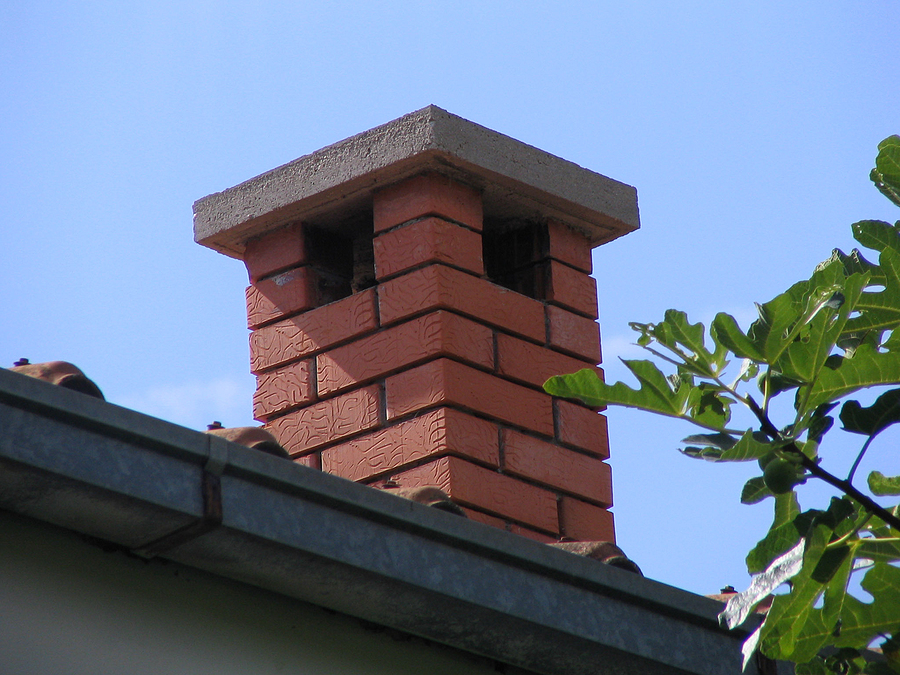
A chimney might seem like an odd choice for a home, but for a raccoon, it’s a five-star resort. Raccoons are skilled climbers and are naturally drawn to dark, enclosed spaces that feel safe and protected from predators. Chimneys offer the perfect shelter, especially for a mother raccoon looking for a secure spot to give birth and raise her young. This is particularly common during the spring, which is raccoon birthing season.
The structure of your chimney can also play a role:
- Masonry Chimneys: Traditional brick and stone chimneys provide plenty of ledges and crevices for raccoons to get a foothold and build a nest.
- Metal or Prefabricated Chimneys: While the smooth surfaces of these chimneys can make it difficult for raccoons to climb out, they can still get trapped inside.
- Chimneys with Clay Flue Liners: If the clay liner is cracked or damaged, it creates extra space and shelter, making your chimney even more inviting.
Once a raccoon establishes a den in your chimney, it’s unlikely to leave on its own. They are resourceful animals and will often return to a location they consider safe.
Signs You Have a Raccoon in Your Chimney
Since raccoons are nocturnal, you are more likely to hear them than see them. If you suspect an animal has moved into your chimney, look for these common signs of a raccoon infestation:
- Noises at Night: Scratching, chittering, or thumping sounds coming from the chimney are often the first sign. You might also hear the cries of baby raccoons.
- Debris in the Fireplace: Raccoons are messy tenants. You may find twigs, leaves, droppings, or food scraps in your fireplace.
- Unpleasant Odors: An accumulation of raccoon droppings and urine will create a strong, unpleasant smell that can permeate your home.
- Raccoon Sightings: Seeing raccoons on your roof or near the chimney opening, especially at dusk or dawn, is a clear indicator of a problem.
- Damage: Check for damage to your chimney cap, shingles, or the flashing around the chimney.
If you notice any of these signs, it’s time to take action. Ignoring the problem can lead to more serious issues, including fire hazards from nesting materials and the risk of carbon monoxide poisoning if the flue is blocked.
Safe and Humane Chimney Raccoon Removal
When dealing with wildlife, the goal should always be humane removal. You want the raccoons to leave without harming them, especially if a mother and her babies are involved. Here are a few ethical methods to encourage raccoons to vacate your chimney:
Use Mild Harassment
Raccoons prefer quiet, dark spaces. Placing a bright light at the bottom of the fireplace and a portable radio tuned to a talk station near the opening can make the environment uncomfortable for them. This gentle disruption often convinces a mother raccoon to relocate her family to a more peaceful spot.
Try Raccoon Eviction Fluid
This product, available from humane wildlife suppliers, contains the urine and gland secretions of a male raccoon. A mother raccoon will perceive the scent as a threat from a male raccoon (who may harm her young) and will typically move her kits to a new location within a day or two.
Install a One-Way Exclusion Door
For chimneys where you’re certain no babies are present, a one-way door can be installed over the chimney opening. This device allows raccoons to exit but prevents them from getting back inside. This method is best left to professionals to ensure it is installed correctly and that no young are left behind.
WARNING: It’s important to note that you should never start a fire to smoke raccoons out. This is an incredibly cruel method that will kill the animals and can cause a dangerous chimney fire due to the flammable nesting materials.
Request a Raccoon Removal Estimate Right Now ✅
When to Call a Raccoon Removal Service
While some homeowners might feel comfortable trying DIY methods, there are many situations where calling a professional raccoon removal service is the safest and most effective option. Consider calling for expert help if:
► You suspect there are baby raccoons. Separating a mother from her kits is inhumane and can lead to more problems, as the mother may cause significant damage trying to get back to them. Professionals have the tools and experience to remove the entire family safely.
► The raccoons seem sick, injured, or aggressive. Do not approach a raccoon that appears unwell or acts hostile.
► DIY methods have failed. If gentle harassment hasn’t worked after a few days, it’s time to call in the experts.
► You’re unsure about local wildlife laws. Central Indiana has regulations regarding the trapping and relocation of wildlife. A professional service will be licensed and aware of all local laws.
► You’re not comfortable accessing your roof. Chimney work can be dangerous. Professionals have the right safety equipment and training to work at heights.
A professional will not only handle the raccoon removal but also inspect for damage and help you secure your chimney against future intruders.
Your Guide to a Raccoon-Free Home
Once the raccoons are gone, the final step is to ensure they can’t come back. Effective chimney animal-proofing is the key to long-term raccoon control.
- Install a Sturdy Chimney Cap: This is the single most effective way to keep raccoons and other animals out of your chimney. A professional-grade, bolt-on chimney cap made of heavy-gauge steel is your best defense.
- Trim Overhanging Tree Branches: Raccoons can use nearby trees to access your roof. Keep all branches trimmed at least six to eight feet away from your house.
- Secure Trash Cans: Raccoons are attracted to easy food sources. Use trash cans with tight-fitting, locking lids to keep them from scavenging on your property.
- Perform Regular Inspections: At least once a year, check your chimney, roof, and attic for any signs of damage or potential entry points.
By taking these preventative steps, you can protect your home and avoid the stress and expense of another wildlife invasion.
Secure Your Chimney Today
Finding raccoons in your chimney is a stressful experience, but it’s a solvable problem. By understanding why they are there and using humane methods for removal, you can safely evict your unwanted guests. For residents in Central Indiana, professional help is just a phone call away. Experts can ensure the raccoons are removed ethically and that your home is protected from future invasions.
If you’re dealing with raccoon problems around your property or looking to prevent future issues with a secure chimney cap, our team of experienced wildlife removal specialists is here to help. Contact Us Today to schedule a consultation and take the first step toward a wildlife-free environment.
Related Post: The Unseen Dangers of Raccoons Nesting in Your Chimney
