What Are Baby Raccoons Called? Fascinating Facts About Kits

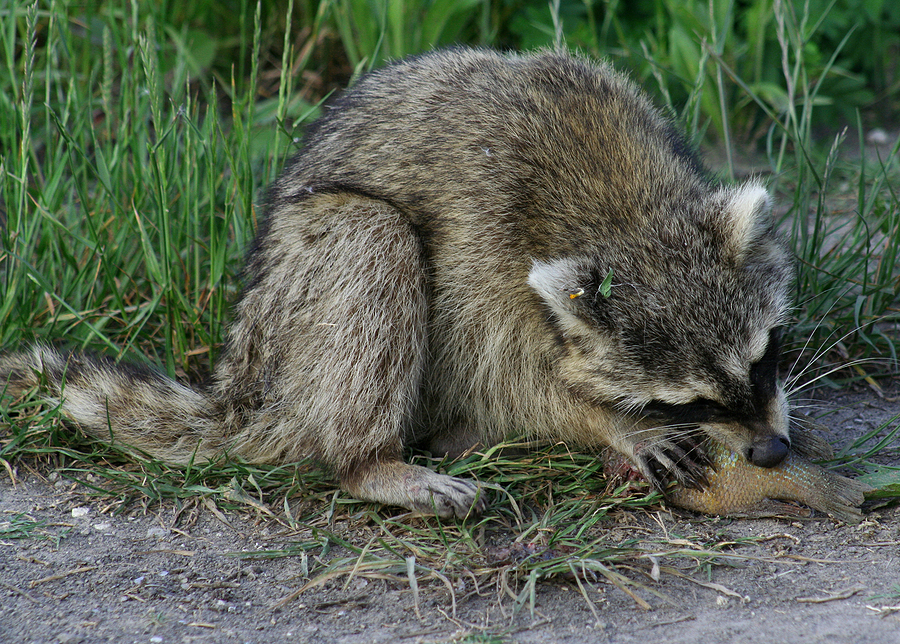
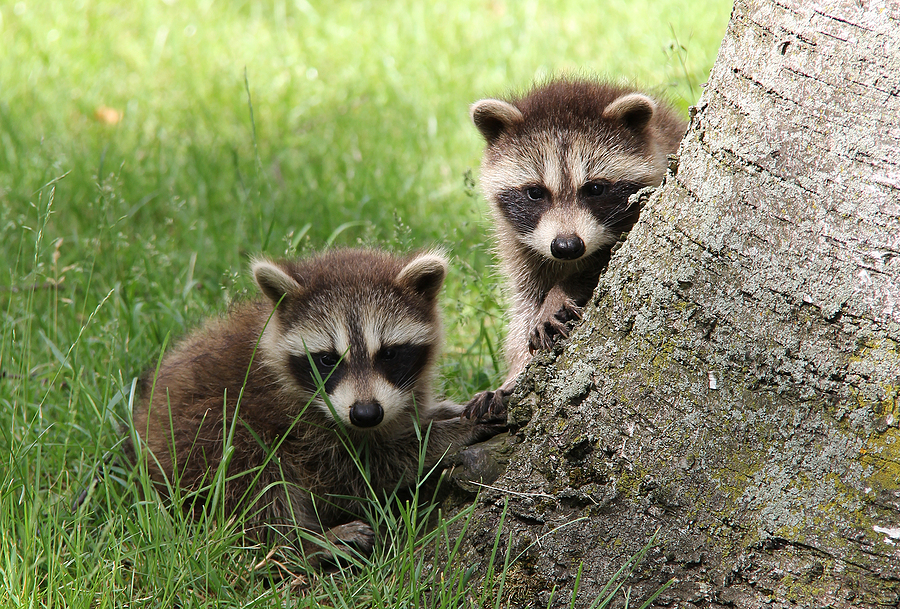
Springtime brings warmer weather, blooming flowers, and the arrival of newborn wildlife across the country. If you happen to hear high-pitched chattering coming from a hollow tree or even your attic, you might be listening to a litter of baby raccoons. These tiny, masked mammals are officially known as kits, and their journey from helpless newborns to highly intelligent foragers is truly remarkable.

Understanding the life cycle of a raccoon kit helps us appreciate their role in the local ecosystem. It also provides valuable insight for homeowners who want to maintain a peaceful, conflict-free relationship with neighborhood wildlife.

Throughout this guide, we will explore the early stages of a raccoon kit’s life, how mother raccoons raise their young, and the essential survival skills these animals learn. You will also learn how to identify common misconceptions about these creatures and what steps to take if a raccoon family moves into your home.

Baby Raccoons are Called "Kits"
Baby Raccoons are Called “Kits”

The Early Life of Raccoon Kits

The first few weeks of a kit’s life are a period of rapid growth and extreme vulnerability. During this time, they rely entirely on the safety of their den and the care of their mother.

Birth and Denning Habits

Raccoon kits are typically born in the early spring, most often between March and April. A pregnant raccoon seeks out a secure, warm, and hidden location to give birth. In their natural habitat, these dens are usually found in hollow trees, rock crevices, or abandoned animal burrows.

However, raccoons are highly adaptable. As urban environments expand, mother raccoons frequently choose attics, chimneys, and crawl spaces as ideal nurseries. These man-made structures provide excellent protection from weather and natural predators, keeping the vulnerable kits safe during their first few weeks of life.

Appearance and Development

Newborn kits look very different from the recognizable adults they will eventually become. They are born blind, deaf, and completely lack the signature black mask across their eyes. At birth, a kit weighs only a few ounces and is covered in a light layer of peach fuzz.

Around three weeks of age, their eyes begin to open, and their ear canals unseal. By their fourth week, their first teeth emerge, and the faint outline of their facial mask starts to appear. As they reach six weeks old, the kits become much more mobile, eagerly testing their legs and exploring the immediate area around their den.

Raising a Family: Mother Raccoon’s Role

Male raccoons play no role in raising the young. The mother raccoon acts as the sole provider and protector, taking on the heavy responsibility of ensuring her kits survive their critical first year.

Parental Care and Protection

Mother raccoons are exceptionally devoted to their young. They will fiercely defend their den against predators and other threats. If a mother senses that her current den is compromised or unsafe, she will carefully carry her kits by the scruff of their necks, one by one, to a new location.

Because she is the only source of food for her babies, the mother must leave the den periodically to forage. During these times, the kits remain safely tucked away.

Learning Essential Skills

A kit’s education begins as soon as they can walk. The mother raccoon actively teaches her young the survival skills they need for adulthood. She guides them on nocturnal foraging trips, showing them how to use their highly sensitive front paws to examine objects and find food in the dark.

The kits also learn how to climb and swim. Raccoons are natural climbers, equipped with hind feet that can rotate 180 degrees to allow them to descend trees headfirst. The mother encourages her kits to scale trees and navigate waterways, ensuring they have the physical capabilities to escape predators and locate meals.

Diet and Nutrition for Growing Kits

A raccoon kit’s diet changes drastically over its first few months of life, mirroring its transition from a helpless baby to an independent juvenile.

Milk Dependency and Weaning

For the first seven to ten weeks, kits rely exclusively on their mother’s milk. Nursing requires the mother to consume extra calories, making her foraging trips longer and more frequent. As the kits grow teeth and become more active, the mother slowly introduces them to solid foods. The weaning process is gradual, and kits are usually fully weaned by the time they reach 16 weeks of age.

Varied Diet of Young Raccoons

Raccoons are omnivores, meaning they eat both plants and animals. Once they transition to solid food, the kits sample a wide variety of natural food sources. Their diet typically includes insects, berries, nuts, frogs, fish, and small rodents.

In urban areas, kits quickly learn to adapt their diet based on what is available. Mother raccoons will teach them how to raid vegetable gardens, scavenge fallen fruit from yards, and safely open unprotected garbage cans to find discarded human food.

Social Structure and Behavior

While adult raccoons are generally solitary creatures, kits experience a highly social upbringing. Their early interactions help them develop critical life skills.

Sibling Interaction

Play behavior is a central part of a kit’s daily routine. Siblings can be seen wrestling, chasing each other, and playfully biting. This energetic play is essential for developing their muscles, improving their coordination, and practicing the fighting skills they might need later in life. Through this play, kits also learn important social cues and boundaries.

Group Dynamics

A mother raccoon and her kits form a tight-knit family unit. The kits stay close to their mother, observing her reactions to different sounds and smells. They rely on the safety of the group while they explore unfamiliar surroundings. This family unit typically stays together through their first winter, dispersing the following spring when the mother prepares for a new litter.

Common Misconceptions About Raccoon Kits

Raccoons are familiar sights in many neighborhoods, yet several misunderstandings persist regarding their behavior and needs.

Dispelling Myths

One of the most common myths is that a baby raccoon found alone is an orphan. In reality, mother raccoons frequently leave their kits safely hidden while they hunt for food. Another misconception is that raccoons seen during the day are sick. While raccoons are primarily nocturnal, mothers often forage during daylight hours to meet the high caloric demands of nursing.

It is also vital to remember that raccoons are wild animals. Despite their cute appearance, kits do not make good pets. They possess strong wild instincts and can become highly destructive and aggressive as they mature.

Coexisting with Wildlife

Maintaining a respectful distance and practicing good raccoon control is the best way to coexist with raccoons. Never intentionally feed wild raccoons, as this teaches them to associate humans with food, leading to property damage and aggressive behavior. Secure your garbage cans with tight-fitting lids, remove outdoor pet food, and inspect your home’s exterior to block potential entry points.

Frequently Asked Questions (FAQ)

How many kits does a raccoon have?

A typical litter consists of three to five kits, though a mother raccoon can give birth to anywhere from one to seven babies at a time.

What do you do if you find a baby raccoon?

If you find a kit alone, the best course of action is to leave it undisturbed. The mother is likely nearby looking for food. Keep pets away from the area. If the kit appears injured, or if you know the mother is deceased, contact a licensed wildlife rehabilitator for assistance.

Are baby raccoons dangerous?

While small and relatively harmless, baby raccoons can still scratch or bite if they feel threatened. They can also carry parasites and diseases, such as roundworm or rabies. You should never attempt to handle a raccoon kit with bare hands.

How long do baby raccoons stay with their mother?

Kits typically stay with their mother for about a year. They remain with her through their first winter to learn survival skills and stay warm, before finally venturing out on their own the following spring.

Final Thoughts

Raccoon kits are highly intelligent, adaptable creatures that grow up to play a significant role in our environment. By controlling insect and rodent populations and dispersing seeds through their foraging, raccoons contribute to the health of local ecosystems. Understanding their development, diet, and behavior allows us to respect their wild nature while taking smart steps to protect our own homes.

If a mother raccoon has decided that your attic or chimney is the perfect place to raise her kits, trying to remove them yourself can lead to property damage or injury.

For professional, humane raccoon removal and control in Indianapolis, Indiana, our team is here to help. We specialize in safely relocating wildlife and securing your home against future intrusions. Book a free inspection today to ensure your property remains safe and raccoon-free.

Call Now for a Quote

Related Post: What Do I Do If I Find a Baby Raccoon?

How to Safely and Humanely Repel Nuisance Raccoons

Hearing scratching noises in your attic or waking up to scattered trash across your lawn can be incredibly frustrating. Raccoons are intelligent, resourceful animals that easily adapt to urban environments, often bringing them into direct conflict with homeowners. While their masked faces might look cute from afar, dealing with property damage and potential health risks requires immediate, thoughtful action.

Addressing a wildlife issue on your property requires a balance between protecting your home and respecting the animals. Taking a humane approach ensures you resolve the problem effectively without causing unnecessary harm to the local wildlife.

This guide will explain the behaviors that drive raccoons to your property and provide practical, non-lethal strategies to keep them away. You will learn how to secure your home, modify your yard, and identify when it is time to bring in professional exclusion experts.

Call 317-535-4605 to Repel Raccoons in Indianapolis Indiana

Understanding Raccoons and Why They’re a Nuisance

Before taking steps to remove raccoons, it helps to understand why they are attracted to your property in the first place. These animals are simply looking for the same basic necessities we all need: food, water, and safe shelter.

The Raccoon’s Role in the Ecosystem

Raccoons are highly beneficial to our natural environment. As omnivores, they feed on a variety of berries, nuts, insects, and small rodents. By consuming wild fruits and traveling across different territories, raccoons help distribute plant seeds through their waste. This natural process maintains plant diversity and supports the health of local ecosystems.

Common Raccoon Nuisances in Urban and Suburban Areas

As human development expands, raccoons have adapted to living alongside us, adopting the term synanthropes. Unfortunately, our neighborhoods offer easy access to high-calorie food and warm, predator-free shelters. Common issues include tipped-over garbage cans, damaged vegetable gardens, torn roof shingles, and nested insulation inside attics.

Securing Your Home: Preventing Raccoon Entry

The most effective way to manage a wildlife problem is to stop it before it starts. Raccoons possess incredibly dexterous front paws, allowing them to open latches, untie knots, and pry apart loose building materials.

Sealing Entry Points

Inspect your home’s exterior regularly to identify potential vulnerabilities. Raccoons often target loose roof vents, damaged soffits, and uncapped chimneys. Repair any rotting wood and reinforce vulnerable areas with heavy-duty, galvanized steel mesh. Ensure that tree branches are trimmed at least ten feet away from your roof to eliminate easy access paths.

Protecting Pet Food and Water Sources

Leaving pet food outside overnight is an open invitation for hungry wildlife. Always feed your cats and dogs indoors. If you must feed them outside, remove any leftover food and water bowls before dusk. Raccoons are strictly nocturnal foragers, so eliminating easy meals right before the sun goes down significantly reduces nighttime visits.

Modifying Your Yard: Making it Less Appealing to Raccoons

Your landscaping might inadvertently roll out the welcome mat for local wildlife. By making a few simple adjustments, you can encourage raccoons to forage elsewhere.

Waste Management Best Practices

Garbage is the primary attractant for urban raccoons. Invest in heavy-duty trash cans with tight-fitting, lockable lids. If your cans do not have locks, secure the tops with bungee cords or store them inside a locked garage until the morning of trash collection. Regularly washing your bins out with soap and water will also minimize lingering food odors.

Garden Protection Strategies

If you grow vegetables or fruit trees, you know how devastating a raccoon visit can be. Harvest your ripe produce immediately rather than leaving it on the vine. You can also install temporary electric fencing around garden beds during peak harvesting seasons, which provides a harmless but effective shock that trains raccoons to stay away.

Scent-Based Repellents

Raccoons have a highly developed sense of smell, which you can use to your advantage. Certain strong odors are deeply unpleasant to their sensitive noses. Spraying homemade raccoon repellent, like a mixture of water and peppermint extract, around your yard’s perimeter can act as a natural, humane deterrent. You must reapply these scent-based repellents frequently, especially after heavy rainfall, to maintain their effectiveness.

Sound and Light Deterrents

Because raccoons are nocturnal, they prefer quiet, dark environments where they feel safe from predators. Disrupting this environment can force them to move on. Motion-activated bright strobe lights—particularly red lights—can mimic the eyes of predators and frighten them away. Additionally, leaving a waterproof radio tuned to a talk station near a suspected nesting area can create the illusion of human presence.

Water-Based Deterrents

Motion-activated sprinklers are an excellent investment for protecting specific areas of your lawn or garden. When a raccoon crosses the sensor’s path, the sprinkler releases a sudden burst of water. The combination of the unexpected noise and the physical splash safely startles the animal, conditioning it to avoid that area in the future.

Recognizing a Persistent Raccoon Problem

Sometimes, DIY methods are simply not enough to solve the problem. If you hear heavy thumping in your ceiling, notice foul odors coming from your vents, or see visible damage to your roofline, a raccoon has likely established a den inside your home. Once they are inside, removing them becomes much more complicated, especially if baby raccoons are involved.

The Benefits of Professional Raccoon Exclusion

Exclusion is the process of sealing a home so animals cannot re-enter, which offers a permanent solution compared to temporary trapping. Professional raccoon control services understand raccoon behavior and can safely install one-way exit doors. These doors allow the raccoon to leave the attic for food, but physically prevent them from getting back inside. While trapping provides fast removal, it leaves the entry point wide open for the next animal to move in. Exclusion protects your home for the long term.

Frequently Asked Questions

Are raccoons dangerous to pets or humans?

Raccoons generally avoid human interaction, but they can become aggressive if they feel cornered or are protecting their young. They may also fight with domestic dogs or cats over food, leading to serious injuries.

What attracts raccoons to my property?

Raccoons are primarily drawn to accessible food sources. Open garbage cans, outdoor pet food, birdseed spilling onto the ground, and accessible compost piles are major attractants.

Can raccoons carry diseases?

Yes, raccoons can carry several serious diseases. One of the most severe is raccoon roundworm, which can be transmitted to humans and pets through contact with their feces. Symptoms of roundworm infection include fatigue, lack of coordination, and loss of muscle control. They are also known carriers of rabies and leptospirosis.

How do I know if I have raccoons in my attic?

Signs of an attic infestation include heavy footsteps or scratching sounds at night, damage to exterior vents or shingles, and the presence of localized “latrines” (accumulations of feces) on your roof or in your insulation.

Is it legal to trap raccoons myself?

Wildlife laws vary significantly by location. In Indiana, resident landowners or tenants can trap a raccoon causing damage on their own property without a Department of Natural Resources (DNR) permit. However, you must still follow all local city and county ordinances regarding trap usage.

Taking Action for a Wildlife-Free Home

Dealing with a raccoon intrusion requires patience, consistency, and a commitment to humane practices. By securing your trash, repairing vulnerable entry points on your home, and utilizing non-lethal deterrents, you can successfully protect your property. Remember that raccoons are just trying to survive, and preventing access is always easier than attempting an eviction.

If you are dealing with a stubborn wildlife issue that you cannot handle alone, it is time to bring in the experts. Protect your home and your family’s health with professional raccoon exclusion services in Indianapolis, Indiana. Reach out to our wildlife control specialists today to schedule an inspection and secure your home for good.

Call Now to Book Service

Related Post: Keep Raccoons Out of Your Attic: Managing Overhanging Branches on the Roof

Raccoons in Winter: Hibernation Habits?

TL;DR: Raccoons don’t fully hibernate in winter but enter a state of torpor, reducing their activity to conserve energy. They rely on stored fat reserves and may emerge on warmer days.

Key Takeaways:

  • Raccoons enter torpor, not full hibernation.
  • They depend on stored fat and reduced activity.
  • Warmer days can bring them out in search of food.
  • Professional control is available in Indianapolis.

Table of Contents:

  1. What is Torpor and How Does it Differ from Hibernation?
  2. How Do Raccoons Prepare for Winter?
  3. Do Raccoons Come Out During the Winter?
  4. What Do Raccoons Eat in the Winter?
  5. How Can I Prevent Raccoons from Denning on My Property?
  6. What are the Signs of Raccoon Activity in Winter?
  7. How Can Professional Services Help with Raccoon Control?
  8. Frequently Asked Questions (FAQ)

As the temperature drops and snow begins to blanket Indianapolis, you might notice a sudden decrease in wildlife sightings. The squirrels seem less busy, the birds have flown south, and the nocturnal rustling in your backyard may have quieted down. This leads many homeowners to wonder: do raccoons hibernate?

The answer isn’t a simple yes or no. While you might see fewer of these masked bandits during the coldest months, they haven’t disappeared entirely. Understanding their winter behavior is crucial for protecting your home, as this is the season when raccoons are most likely to seek shelter in attics, chimneys, and crawl spaces.

The following guide explores the fascinating winter habits of raccoons, from their physiological changes to their denning preferences, and offers actionable advice on how to keep your property raccoon-free this season.

Call 317-535-4605 For Professional Raccoon Removal Service in Indianapolis

What is Torpor and How Does it Differ from Hibernation?

It is a common misconception that raccoons hibernate. In reality, raccoons enter a physiological state known as torpor. While it shares some similarities with hibernation—such as reduced activity and relying on stored body fat—there are significant differences that homeowners should be aware of.

True hibernation, seen in animals like woodchucks and certain bat species, involves a drastic and sustained drop in body temperature and metabolic rate. A true hibernator is difficult to wake up and may remain in a comatose-like state for months at a time.

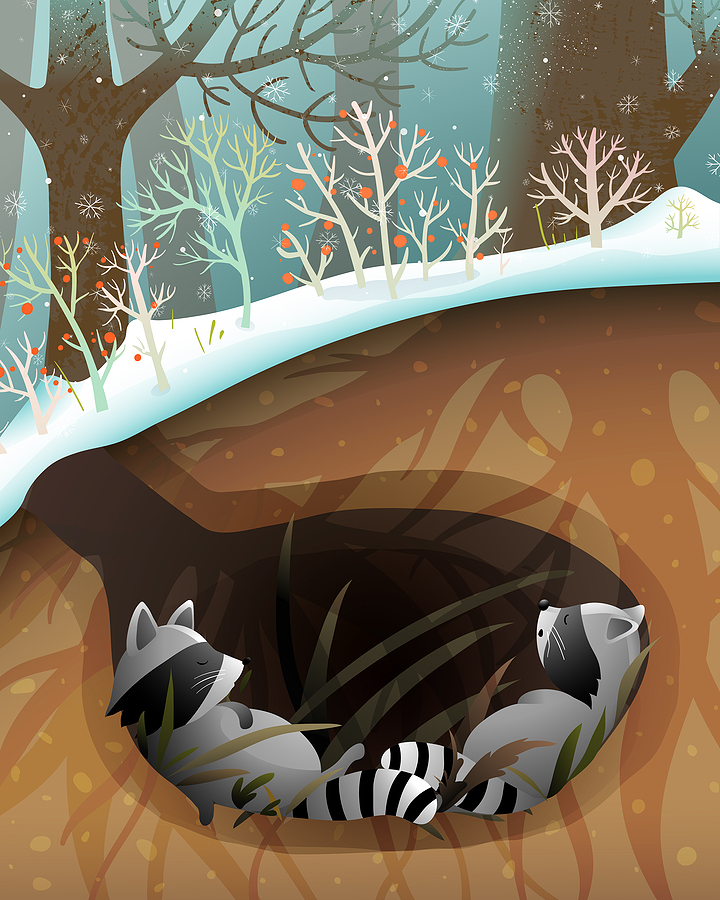
Torpor, on the other hand, is a lighter sleep. During torpor, a raccoon’s body temperature lowers slightly to conserve energy, and its heart rate slows down, but it remains responsive to its surroundings. This “hibernation-lite” allows the raccoon to sleep for days or weeks during severe cold snaps but wake up relatively quickly if the weather improves or if they are disturbed. This is why you might hear thumping in your attic on a mild January day—the resident raccoon has woken up to stretch its legs.

How Do Raccoons Prepare for Winter?

Because raccoons cannot forage effectively when the ground is frozen or covered in deep snow, their winter survival strategy begins months in advance. Late summer and autumn are critical periods for raccoons, defined by a phase called hyperphagia—a biological drive to eat constantly.

During this time, a raccoon’s primary goal is to accumulate a thick layer of body fat. This fat serves two purposes: it provides insulation against the freezing temperatures and acts as an energy source when food is scarce. An adult raccoon can lose up to 50% of its body weight during the winter, so entering the season with substantial reserves is a matter of life or death.

In addition to bulking up, raccoons spend the late fall scouting for suitable winter dens. Unlike many other animals, raccoons rarely build their own homes. Instead, they are opportunistic, looking for hollow trees, abandoned burrows, brush piles, or—unfortunately for humans—accessible parts of a house.

Do Raccoons Come Out During the Winter?

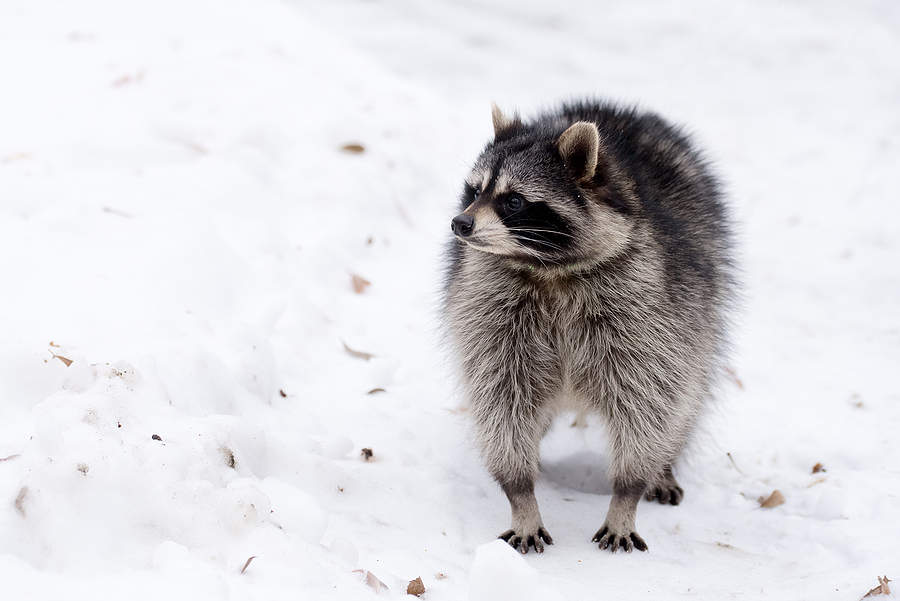
Yes, raccoons do emerge during the winter, which often surprises homeowners who assume the animals are asleep until spring. Their activity is almost entirely dictated by the thermometer.

When temperatures drop significantly (typically below 20°F) or heavy snow falls, raccoons will curl up in their dens and sleep to conserve calorie burn. However, during a “thaw” or a stretch of mild winter weather, they will break their torpor.

If the temperature rises above freezing, raccoons will venture out to replenish their water supply and forage for food. This adaptability is one reason raccoons are so successful in urban environments like Indianapolis; they can capitalize on brief windows of good weather to sustain themselves, whereas true hibernators are locked into their sleep cycle regardless of the daily forecast.

What Do Raccoons Eat in the Winter?

In the spring and summer, a raccoon’s diet is omnivorously diverse, consisting of crayfish, frogs, insects, fruits, and vegetables. In the winter, however, their menu options are severely limited.

While their metabolism slows down, reducing their need for calories, they still need to eat occasionally. When they emerge during warm spells, they are scavengers of opportunity. Their winter diet may include:

  • Leftover acorns and nuts: Mast crops that fell in the autumn are a staple.
  • Waste grain: In agricultural areas, they may find leftover corn or seeds.
  • Human refuse: Garbage cans are a primary target because they provide high-calorie scraps with minimal effort.
  • Bird seed: Spilled seed from feeders is an easy meal for a hungry raccoon.
  • Pet food: Bowls left on porches are irresistible attractants.

Because natural food sources are scarce, raccoons become bolder in their search for human-provided food sources during the winter months.

How Can I Prevent Raccoons from Denning on My Property?

A raccoon’s ideal winter den is dry, warm, and protected from the wind. Unfortunately, your attic, chimney, or crawl space fits this description perfectly. Preventing an intrusion is far easier—and less expensive—than removing an established family.

Here are proactive steps you can take to secure your home:

  • Seal Entry Points: Inspect your home’s exterior for holes. Raccoons are strong and dexterous; they can tear off loose shingles or fascia boards to enlarge a small gap. Use heavy-gauge hardware cloth to seal openings, as raccoons can chew through weaker materials.
  • Cap Your Chimney: An uncapped chimney is an open invitation. Install a stainless steel chimney cap to prevent raccoons from nesting inside the flue.
  • Secure Garbage: Use metal trash cans with tight-fitting lids. If possible, keep trash containers inside a garage or shed until pickup day.
  • Remove Attractants: Bring pet food indoors at night and clean up fallen bird seed.
  • Trim Trees: Overhanging tree branches act as bridges to your roof. Trim branches back at least 6 to 8 feet from your home to limit access.

What are the Signs of Raccoon Activity in Winter?

Since raccoons are nocturnal and secretive, you may not see the animal itself. However, they leave distinct clues indicating they have moved in or are active nearby.

  • Tracks in the Snow: Raccoon tracks are distinct; they look like small human handprints with five long toes.
  • Auditory Cues: If a raccoon is in your attic, you will likely hear heavy thumping, scratching, or vocalizations (chattering or growling) at night.
  • Latrines: Raccoons often use a specific area as a toilet. Finding piles of droppings on your roof, in the attic, or near the house is a strong sign of habitation.
  • Structural Damage: Look for torn vents, bent gutters, or scratch marks on vertical siding where they may have climbed.

How Can Professional Services Help with Raccoon Control?

If you suspect a raccoon is denning in your home, attempting DIY removal can be dangerous. Raccoons can be aggressive when cornered, especially if they are defending a warm den. Furthermore, in many places, there are specific regulations regarding the trapping and relocation of wildlife.

Professional wildlife control services in Indianapolis offer a comprehensive approach:

  • Humane Removal: Experts use safe trapping methods or one-way exclusion doors that allow the animal to leave but not re-enter.
  • Inspection: Professionals can identify entry points you might miss, such as obscure roof vents or soffit gaps.
  • Cleanup and Sanitization: Raccoon droppings can carry dangerous parasites like roundworm. Professionals have the equipment to safely clean and decontaminate the area.
  • Damage Repair: Many services will also repair the damage caused by the animal, restoring your home’s integrity and preventing future invasions.

Frequently Asked Questions (FAQ)

Do raccoons hibernate in groups?

Yes, it is quite common for raccoons to den together in the winter to share body heat, a practice known as communal denning. While adult males typically den alone, a mother and her offspring from the previous spring will often stay together. In some cases, multiple unrelated raccoons may share a particularly large and warm den.

How cold does it have to be for raccoons to stay in their den?

While individual tolerance varies, raccoons typically retreat to their dens when temperatures drop below freezing (32°F) and wind speeds pick up. Extended periods of temperatures below 15°F to 20°F will almost certainly keep them denned up for days at a time.

Are raccoons dangerous in winter?

Raccoons can be dangerous if threatened or cornered. Additionally, while rare, rabies is a concern. If you see a raccoon that appears sick, disoriented, or is active during the day and acting aggressively, keep your distance and contact animal control immediately.

Quick Recap

  • Raccoons are active year-round, including during winter.
  • Their thick fur provides insulation to help them survive cold temperatures.
  • Raccoons may create dens in trees or other sheltered areas during the winter months.
  • They are opportunistic eaters and will scavenge for food even during winter.

Conclusion

While raccoons do not hibernate in the traditional sense, their winter behavior of entering torpor and seeking warm dens brings them into closer contact with humans during the coldest months of the year. Their ability to adapt—sleeping through the deep freeze and waking to forage during thaws—makes them resilient survivors.

However, their survival instincts should not come at the cost of your home’s safety. By understanding their habits and taking preventative measures, you can coexist with local wildlife without inviting them into your attic. If you do find signs of an intrusion, remember that professional intervention is the safest route for both you and the animal.

Don’t let your home become a winter resort for local wildlife. If you hear scratching in the walls or spot tracks in the snow, Contact Us Today. Request a free estimate for professional raccoon control services in Indianapolis and ensure your home stays warm, safe, and pest-free this winter.

Request a Free Estimate

Related Post: Winter Raccoon Proofing FAQs for Indiana Homes

Winter Raccoon Proofing FAQs for Indiana Homes

As winter settles across Indiana, homeowners aren’t the only ones looking for a warm place to wait out the cold. While you are turning up the thermostat and settling in for the season, local wildlife is doing the exact same thing. Raccoons, in particular, are notorious for turning Hoosier attics, chimneys, and crawlspaces into their personal winter retreats.

These masked bandits are more than just a nuisance. They are intelligent, strong, and capable of causing significant structural damage in their quest for warmth. From torn insulation to chewed electrical wires, the cost of a raccoon intrusion can be steep. Prevention is far more effective—and less expensive—than eviction.

By understanding what drives these animals indoors and taking specific steps to fortify your home, you can ensure that your family remains the only residents in your house this winter.

Call 317-535-4605 For Winter Raccoon Control in Indianapolis

FAQ’s About Raccoon-Proofing in Winter

What do raccoons do in winter?

Many people assume raccoons hibernate like bears, sleeping away the entire winter. This is a misconception. Raccoons enter a state called torpor. They will sleep for long stretches during severe cold snaps—which are common in Indiana Januarys and Februarys—but they wake up during milder spells to forage for food.

Because they remain active, they require a den that keeps them safe from the freezing temperatures and wind. In the wild, this would be a hollow tree or a rock crevice. In the suburbs of Indianapolis or the rural areas of the state, your home offers a much more attractive alternative. Your attic is dry, warm, and safe from predators.

Raccoons are also opportunistic eaters. Winter food scarcity makes them bolder. If your property offers easy access to trash or pet food, they will remember it. Once they associate your home with food, they are more likely to test your defenses to see if they can move in.

How do I seal common raccoon entry points?

Raccoons are incredibly dexterous. They have paws that function much like hands, allowing them to turn doorknobs, unlatch gates, and rip open weak building materials. To keep them out, you need to identify and reinforce every potential entry point.

Chimneys and vents

An uncapped chimney is essentially an open door for a raccoon. It resembles a hollow tree, making it an instinctive choice for a den. Install a commercial-grade steel chimney cap that is securely bolted to the flue. Avoid cheap aluminum caps, as a determined raccoon can easily pry them off.

Similarly, roof vents and attic fans are common targets. Raccoons can tear through standard bug screens or flimsy aluminum louvers. Cover these openings with heavy-duty hardware cloth (wire mesh) or specialized wildlife-proof vent covers.

Roof intersections and soffits

Inspect your roof for any areas where different rooflines meet. These intersections often have gaps or weak flashing that raccoons can exploit. Soffits (the material covering the underside of your roof overhang) are also vulnerable. If you have vinyl soffits, raccoons can push them up to squeeze into the attic. Secure these firmly and consider reinforcing them with plywood or mesh from the inside if possible.

Siding and foundation gaps

Walk the perimeter of your house. Look for loose siding or holes near the foundation. Raccoons can squeeze through openings as small as 4 inches in diameter. Seal these gaps with concrete, steel wool, or metal flashing. Do not use expanding foam alone; raccoons can chew right through it.

Schedule a Free Raccoon Removal Estimate Today

How can I secure food sources?

If you remove the buffet, you reduce the likelihood of guests staying the night. Raccoons have an excellent sense of smell and will travel far for a high-calorie meal during the lean winter months.

Garbage management

Your trash cans are the primary target. If possible, keep garbage cans inside a garage or shed until the morning of pickup. If they must stay outside, invest in animal-proof lids or use bungee cords to secure the tops. Simply placing a heavy rock on the lid is rarely enough for a clever raccoon.

Pet food and bird feeders

Never leave pet food outside overnight. It attracts everything from raccoons to opossums and stray cats. If you feed pets on a porch or deck, bring the bowls in immediately after they finish eating.

Bird feeders are another common attractant. Raccoons love sunflower seeds and suet. If you notice raccoon activity, take the feeders down for a few weeks to break their routine. Alternatively, install baffles on feeder poles to prevent them from climbing up, and clean up spilled seed daily.

Do raccoon deterrents actually work?

When physical barriers aren’t enough, some homeowners turn to deterrents to make their property less welcoming. These methods rely on the raccoon’s senses to drive them away.

Light and sound

Raccoons are nocturnal and prefer dark, quiet spaces. Motion-activated floodlights can startle them, making them feel exposed. Similarly, placing a battery-operated radio tuned to a talk station in an attic or near a known den site can disrupt their sleep. They perceive the human voices as a threat.

Scent repellents

There are various commercial repellents available that mimic the scent of predators (like coyote urine). DIY solutions often involve ammonia-soaked rags or bowls of apple cider vinegar placed near entry points.

However, use these with caution. Deterrents are often temporary fixes. A mother raccoon protecting her kits during a harsh Indiana snowstorm will likely ignore a bad smell or a bright light in favor of survival. Physical exclusion—sealing the holes—is always superior to harassment techniques.

What are some yard maintenance tips for pest control?

A well-maintained yard provides fewer hiding spots and less access to your home. Winter is a great time to survey your property for structural risks.

Cut back tree branches

Trees growing near your house act as bridges. Raccoons are excellent climbers and will use overhanging branches to jump onto your roof. Trim any tree limbs so they are at least 6 to 8 feet away from your roofline. This makes it significantly harder for them to access your chimney and vents.

Clear debris and woodpiles

Piles of brush, firewood, or old construction materials can serve as temporary shelter or hunting grounds for raccoons. Stack firewood at least 20 feet away from your house and keep it elevated off the ground. Clear out brush piles before the snow falls to remove potential ground-level dens.

When should I call a professional wildlife service?

There is a distinct difference between raccoon proofing and raccoon removal. If you suspect a raccoon is already living in your home, do not seal the entry points.

If you seal a hole while the animal is inside, you will trap it. A trapped raccoon will cause immense damage trying to escape, clawing through drywall and ceilings. Worse, if it dies inside your walls, you will face odor and health issues that are difficult to resolve.

You should call a professional if:

  • You hear thumping, scratching, or vocalizations in your attic or walls.
  • You see physical evidence like droppings (latrines) or nesting material.
  • The raccoon appears sick, aggressive, or lethargic during the day (signs of distemper or rabies).
  • It is late winter or early spring, as there may be babies in the nest. Removing a mother and leaving the babies behind is inhumane and leads to further problems.

Protect Your Home This Winter

Winterizing your home against raccoons requires a keen eye and a bit of effort, but the peace of mind is worth it. By securing your trash, reinforcing your roof, and maintaining your yard, you make your home a fortress against the cold and the critters that want to escape it.

If you are hearing bumps in the night or suspect a raccoon has already moved into your Indianapolis home, don’t tackle it alone. Raccoons can be dangerous when cornered.

Need expert help? Contact our team for professional raccoon removal and control services in Indianapolis today. We specialize in humane removal and exclusion repairs to keep your home safe and wildlife-free.

Call Now for Free Estimate

Related Post: Do You Have a Winter Raccoon Infestation?

Understanding Raccoon Behavior: When Are They Most Active and Why

Hearing strange noises from your backyard at night can be unsettling. For many homeowners in Indianapolis, the culprit is often a resourceful and curious raccoon. These masked mammals are a common sight in urban and suburban areas, but their habits can be a mystery. Understanding when raccoons are active is the first step toward coexisting peacefully and protecting your property.

This guide will explain the typical activity patterns of raccoons, helping you understand why you might be encountering them more often. We will cover their peak active hours, the reasons for their nocturnal behavior, and how their habits change with the seasons. By learning about their natural rhythms, you’ll be better equipped to manage any unwelcome visits and keep your home and garden secure.

Call 317-535-4605 For Professional Raccoon Control in Indianapolis

Peak Activity Times for Raccoons

Raccoons are primarily nocturnal animals, which means they are most active after the sun goes down. Their peak activity usually begins shortly after dusk and continues throughout the night, ending around dawn. If you’ve heard your trash cans rattling in the middle of the night, it’s likely a raccoon foraging for food.

While they are known for being active at night, raccoons can also be described as crepuscular. This term refers to animals that are most active during the twilight hours of dawn and dusk. You might spot a raccoon venturing out as the sun sets or returning to its den as the morning light appears. This behavior allows them to take advantage of the low light conditions, which provide cover from predators while they search for food and water. Seeing a raccoon during these times is normal and doesn’t necessarily indicate a problem.

Reasons Behind Nocturnal Behavior

There are several reasons why raccoons have adapted to a nocturnal lifestyle. A key factor is the avoidance of predators. Many of the natural predators that might hunt raccoons, such as coyotes and large owls, are also active at night, but the cover of darkness gives raccoons an advantage in staying hidden. Studies published in the Journal of Wildlife Management confirm that this nocturnal pattern is a crucial survival strategy.

Another reason for their nighttime activity is the availability of food. In urban environments like Indianapolis, raccoons find an abundance of food sources after dark. Trash cans, pet food left outdoors, and gardens become unguarded buffets once people are inside for the night. Their excellent night vision and keen sense of touch allow them to navigate and find food easily in low light. Research from Purdue University Extension notes the incredible adaptability of raccoons, which is why they thrive so well in close proximity to humans.

Seasonal Variations in Raccoon Activity

Raccoon behavior isn’t static throughout the year; it shifts with the changing seasons.

Spring and Summer

These are the busiest times for raccoons. During the spring, females are raising their young, which means they need to find more food to support their kits. You may see increased activity as they forage more frequently. In the summer, both adult and juvenile raccoons are active, exploring their territories and building up fat reserves.

Fall

As the weather cools, raccoons enter a period of heavy eating to prepare for winter. They will spend most of the night searching for calorie-rich foods to build up the fat stores they need to survive the colder months. This can lead to more determined attempts to access trash cans and compost piles.

Winter

Raccoons do not hibernate in the traditional sense, but they do enter a state of torpor during severe cold spells. This means they will sleep for extended periods in their dens to conserve energy. On milder winter days, they may emerge to search for food, but their activity is significantly reduced compared to other seasons.

Request a Free Assessment for Raccoon Control Now

How to Handle Raccoon Encounters

Finding a raccoon in your yard can be surprising, but it’s important to remain calm. Raccoons are generally not aggressive unless they feel threatened or cornered. If you encounter one, give it space and allow it to move on. Never attempt to feed or approach a raccoon.

If you find raccoons are becoming a nuisance, the focus should be on humane deterrents and animal proofing your property. Local regulations in the Indianapolis area emphasize using non-lethal methods for raccoon control. Here are some actionable steps you can take:

  • Secure Your Trash: Use trash cans with tight-fitting, locking lids. Bungee cords can also be effective at keeping raccoons out. Store your bins in a garage or shed if possible, and only put them out on the morning of collection.
  • Use Deterrents: Motion-activated sprinklers or lights can be excellent raccoon deterrents. The sudden spray of water or burst of light will startle them and encourage them to leave.
  • Try Natural Repellents: Some homeowners have success with homemade animal repellent and sprays. A mixture of cayenne pepper and water or peppermint oil can be sprayed around gardens and trash cans to discourage raccoons, who dislike the strong smells.
  • Remove Food Sources: Do not leave pet food or water bowls outside overnight. Clean up any fallen fruit from trees and ensure your compost bin is secure.
  • Seal Entry Points: Prevent raccoons from making a den in your home by sealing potential entry points. Use sturdy wire mesh to cover chimneys, vents, and any gaps under decks or in your foundation.
  • Maintain Your Yard: Trim tree branches that hang over your roof to remove easy access points for raccoons. Keeping your yard tidy reduces potential hiding spots.

Conclusion

Raccoons are a permanent and important part of the local ecosystem in Indianapolis. Their intelligence and adaptability allow them to thrive in our neighborhoods, often leading to nighttime encounters that can be both fascinating and frustrating. By understanding that their peak activity occurs at night and during twilight hours, you can take proactive, humane steps to protect your property.

Securing food sources, using humane deterrents, and animal-proofing your home are the most effective strategies for raccoon control. These methods not only resolve potential conflicts but also promote a respectful coexistence with our wild neighbors.

If you’re in Indianapolis and need professional assistance with raccoon control, our expert team is here to help. We provide humane, effective solutions tailored to your needs, ensuring the safety of both your property and local wildlife. Contact Us Today to schedule an inspection or consultation!

Call to Receive a Free Quote

Related Post: Nocturnal Animals in Indiana: Protecting Your Property from Wildlife Damage

Synanthropes in Indiana: Wildlife Thriving Alongside Humans

Wildlife has an uncanny way of adapting to the environments we create. From raccoons raiding trash cans to deer grazing on suburban gardens, some animals thrive in close proximity to humans. These creatures, known as synanthropes, coexist with us by taking advantage of human-modified landscapes.

But what about Indiana? With its mix of urban centers, suburban sprawl, and natural areas, Indiana offers an intriguing setting for exploring synanthropes. From local folklore to practical advice on wildlife control, let’s take a closer look at these fascinating creatures and their role in Indiana’s ecosystems.

Call 317-535-4605 to Reach Our Licensed Indiana Raccoon Removal Professionals

What Are Synanthropes?

Synanthropes are animals that adapt exceptionally well to living near humans. Unlike wildlife that actively avoids human-dominated areas, synanthropes find ways to thrive. Common examples include raccoons, coyotes, and deer, all of which are known for their incredible adaptability.

These animals aren’t necessarily pests. They play key roles in ecosystems, even in urban and suburban environments. However, their proximity to humans can sometimes create conflicts, such as raided trash cans, garden destruction, or the occasional wildlife sighting that causes alarm.

Historical and Folklore Evidence of Synanthropes in Indiana

Indiana is no stranger to wildlife stories. Historical accounts and anecdotal evidence are rife with tales of animals adapting to human environments. For instance, older Hoosier residents may recall stories of raccoons living in barn rafters or deer regularly appearing on farmland close to suburban areas.

Local legends also highlight the cultural impact of synanthropes. Stories of elusive coyotes lurking on the edges of towns have circulated for decades, sometimes giving these animals an almost mythical status. While not all of these accounts are based on verified data, they hint at Indiana’s long-standing relationship with synanthropic species.

Contact Us for Indiana Raccoon Removal

Why Indiana’s Environment Fosters Synanthropic Wildlife

Indiana’s varied landscapes make it a natural haven for synanthropes. Here’s why:

Urban and Suburban Areas

Raccoons thrive in Indiana’s urban and suburban settings, where trash cans, compost bins, and pet food left outdoors provide a steady food source. Similarly, coyotes adapt by frequenting parks, golf courses, and green spaces that offer shelter and prey like rodents.

Agricultural Zones

Indiana’s agricultural landscape provides unique opportunities for deer. Croplands offer a buffet of food options, while wooded areas at field edges serve as excellent cover. This blend of farmland and nearby forests is ideal for synanthropic deer populations.

Natural Areas

The state’s rich biodiversity is also a draw. From dense woodlands to flowing rivers, these habitats allow synanthropes to balance their interactions with human settlements and more traditional wildlife survival strategies.

The Cultural Impact of Synanthropes in Indiana

Beyond their ecological roles, synanthropes often become embedded in local culture. Coyotes, for example, sometimes symbolize resilience and adaptability in the face of change. Meanwhile, raccoons are frequently portrayed as mischievous yet resourceful creatures.

Unfortunately, these animals’ proximity can also lead to misunderstandings and fear. Some residents may view coyotes as a threat to pets, or deer as nuisances that wreak havoc on gardens. Bridging this gap between awe and annoyance lies in understanding and education.

Safe and Humane Wildlife Control for Indiana Residents

Living alongside synanthropes doesn’t have to be a struggle. With the right approach, Indiana residents can minimize conflicts while respecting these animals’ roles in the ecosystem. Here’s how:

Contact Licensed Wildlife Professionals – For persistent issues, always turn to licensed experts like Indiana Raccoon Removal for removal and management. They ensure humane and legal handling of wildlife. They can also inspect homes and buildings for potential entry points, sealing them to prevent future invasions.

Avoid Direct Contact – Wild animals can carry diseases. Never attempt to handle them on your own. Instead, reach out for professional assistance.

Implement Humane Deterrents – Motion-activated lights, noise devices, or even certain scents can effectively deter animals like raccoons and coyotes from venturing too close to your property.

Secure Attractants – Properly seal trash cans and compost bins to eliminate easy food sources. Avoid leaving pet food or birdseed outdoors overnight.

Promote Community Education – Work with neighbors to ensure a coordinated approach to wildlife management. When everyone follows best practices, it reduces incidents across the neighborhood.

Support Conservation Initiatives – Join local efforts that focus on wildlife education and ecosystem preservation. Supporting organizations that promote balance between humans and wildlife ensures a healthier environment for all.

Contact Indiana DNR – For state-specific regulations and guidelines, reach out to the Indiana Department of Natural Resources. They provide valuable resources and advice tailored to Indiana’s unique ecosystem.

Building Awareness Around Synanthropes

Understanding synanthropes and their presence in Indiana is an ongoing process. Each sighting, each anecdote, and each study adds to our collective knowledge about how we coexist with these adaptable animals. It’s a topic that sits at the nexus of ecology, urban planning, and community living.

By fostering awareness, we can bridge the gap between admiration and practicality, allowing wildlife and human life to coexist harmoniously. Indiana’s residents have a unique opportunity to shape how synanthropes are perceived, managed, and even celebrated.

In Summary

Living alongside synanthropes like raccoons, coyotes, and deer doesn’t have to be a source of friction. With the right tools, knowledge, and community collaboration, Indiana residents can enjoy the benefits of local biodiversity while minimizing conflicts.

If you’re dealing with a nuisance raccoon challenge, contact Indianapolis Raccoon Removal today. We offer humane raccoon removal and control service in Central Indiana.

Schedule a Raccoon Inspection Now

Related Post: Critter Control: Expert Tips on Deterring Raccoons

What You Need to Know About Rabies in Raccoons

Raccoons are curious, clever, and a common sight in many neighborhoods. While they may often seem harmless, these nocturnal creatures can pose serious risks, particularly when infected with the rabies virus. Rabies does not just affect animals; it’s a deadly disease that can be transmitted to humans and pets. Understanding the connection between raccoons and rabies is essential for homeowners and pet owners who want to keep their families safe.

Whether you’re concerned about preventing rabies in your pets, managing wildlife on your property, or protecting your community, this guide will equip you with the knowledge to take smart, proactive steps.

Call 317-535-4605 For Licensed Raccoon Control Service in Indianapolis

Understanding Rabies and Its Impact on Raccoons and Humans

Rabies is a viral disease that affects the central nervous system of mammals. It’s transmitted through bites or scratches from infected animals or by coming into contact with their saliva. Raccoons are among the most common rabies carriers in the United States, alongside bats, foxes, and skunks.

The Centers for Disease Control and Prevention (CDC) reports that while human cases of rabies are rare in the U.S. due to widespread pet vaccinations, the threat still exists when raccoon populations and human environments overlap. It’s vital to stay educated about the seriousness of rabies, particularly when protecting children, pets, and those in your community.

Key Signs and Symptoms of Rabid Raccoons

Spotting a rabid raccoon early can make all the difference in preventing exposure. While not all raccoons with odd behavior are rabid, knowing the key symptoms is critical. Here are the telltale signs of a rabid raccoon:

  • Aggression: Unprovoked growling, biting, or lunging at people or pets.
  • Disorientation: Stumbling, wandering aimlessly, or appearing dizzy.
  • Unusual Boldness: Approaching humans or venturing into brightly lit or noisy areas.
  • Excessive Salivation or Foaming at the Mouth: A classic rabies symptom.
  • Nocturnal Activity During the Day: Healthy raccoons are nocturnal, so daytime activity could be a red flag.

If you suspect a raccoon may be rabid, avoid approaching it and follow the safety measures outlined below.

Vaccinations and Preventative Measures for Pets

One of the best defenses against rabies is ensuring your pets are vaccinated. Indiana law requires all dogs, cats, and ferrets over three months old to be vaccinated against rabies. Keep your pet’s vaccinations up to date, as this is crucial to their protection and compliance with local regulations.

Here’s how you can further protect your pets:

  • Supervise Outdoor Time: Avoid letting pets roam freely where they might encounter raccoons or other wildlife.
  • Avoid Feeding Pets Outside: Pet food can attract raccoons to your yard. Feed your pets indoors whenever possible.
  • Inspect Play Areas: Regularly check yards and outdoor enclosures for raccoon activity or droppings, which can carry other raccoon diseases like leptospirosis or roundworm.

If you’re unsure about your pet’s vaccination status, contact your veterinarian immediately to schedule an appointment.

Controlling Raccoon Activity on Your Property

Raccoons are resourceful creatures that are often drawn to human habitats for easy food or shelter. By making your property less appealing, you can reduce the likelihood of encounters.

  • Secure Trash Bins: Use tightly sealed bins, preferably those with locking lids, to prevent raccoons from scavenging for a midnight snack.
  • Block Access to Attics and Crawl Spaces: Raccoons love quiet places to nest. Seal off entry points to your home by checking for gaps, holes, or loose vents.
  • Remove Food Sources: Pick up fallen fruit from trees, clean grills after use, and avoid leaving pet food in your yard.
  • Maintain Landscaping: Trim branches and bushes regularly to reduce hiding spots. Store firewood at least 20 feet from your home.

Small changes can go a long way toward keeping raccoons at bay and your property secure.

Learn More About Raccoon Control

What to Do If You Encounter a Rabid Raccoon

Coming face-to-face with a potentially rabid raccoon can be alarming, but knowing what to do can keep you safe.

  1. Do Not Approach: Maintain a safe distance from the raccoon. It’s best to avoid handling or attempting to confine it, even with protective equipment.
  2. Secure Pets and Family Members: Quickly bring pets indoors and ensure children stay away from the animal.
  3. Contact Wildlife Control: Notify your local wildlife control or animal services organization to handle the situation. They’re trained to safely capture and remove the animal.
  4. Report Human or Pet Exposure Immediately: If someone has been bitten or scratched, wash the wound thoroughly with soap and water and contact your local health department or healthcare provider for post-exposure prophylaxis (PEP). For pets, consult your veterinarian promptly.

Debunking Common Myths About Rabies and Raccoons

There’s plenty of misinformation around rabies and raccoons. Here’s the truth behind some of the most common myths:

Myth: You can tell if an animal has rabies by looking at it. 
Truth: Not all rabid animals show visible symptoms immediately.

Myth: Rabies only spreads through bites. 
Truth: While bites are the most common method, scratches that break the skin or contact with saliva on open wounds can also transmit the virus.

Myth: Rabies is rare, so it’s not worth worrying about. 
Truth: Rabies is always fatal without prompt treatment, making awareness and prevention critical.

Signs You Need Professional Raccoon Removal and Control

Sometimes, despite your best efforts, raccoons may still find their way onto your property. Here are signs it’s time to call for professional raccoon removal:

  • Repeated sightings of raccoons near your home or secondary structures like sheds.
  • Raccoons inside your attic, crawl space, or garage.
  • Evidence of raccoons digging in your yard or damaging trash bins.
  • Hearing unusual scratching or squeaking noises at night.

Professional wildlife control experts have the tools and training to handle raccoon removal safely and in compliance with local regulations. They can also provide long-term raccoon control solutions to prevent future problems.

In Summary

Raccoons and rabies are serious public health concerns, but with the right precautions, you can protect your home, pets, and community. Stay vigilant by keeping an eye out for rabies signs, vaccinating your pets, and making your property less welcoming to wildlife.

If you’ve spotted a rabid raccoon near your property or suspect an infestation, don’t wait. Contact Indianapolis Raccoon Removal for professional service. Together, we can keep your loved ones safe and help curb the spread of the rabies virus in your neighborhood.

Schedule a Raccoon Removal Estimate

Related Post: Common Traits of a Rabid Raccoon

Raccoon Roundworm: A Threat to Your Pet’s Health and Home Safety

Raccoons might seem harmless as they scavenge through your trash or wander through your yard, but they can pose a significant risk to both your pets and your family. One of the lesser-known dangers associated with raccoons is raccoon roundworm (Baylisascaris procyonis). This zoonotic disease can infect pets, and in rare cases, humans, leading to severe health issues.

If you’re a pet owner or homeowner, understanding the risks, recognizing symptoms, and taking preventive actions can protect your loved ones and maintain the safety of your home. This blog will guide you through what raccoon roundworm is, how it spreads, and how to safeguard your pets and property.

Call 317-535-4605 For Local Raccoon Control Service in Indianapolis

What is Raccoon Roundworm?

Raccoon roundworm is a parasite commonly found in raccoons, particularly in North America. According to the Centers for Disease Control and Prevention (CDC), as many as 70–80% of raccoons in some areas are infected. While raccoons are the natural host of this parasite, other mammals, including dogs and cats, can accidentally ingest roundworm eggs and become infected.

The eggs are primarily shed in raccoon feces, where they can last for years if conditions are favorable. Once ingested, the larvae migrate through the body, potentially causing organ damage or neurological issues. This makes roundworm not only a threat to pet health but also a concern for human safety.

Understanding the Life Cycle of Raccoon Roundworm

To appreciate the risks posed by raccoon roundworm, understanding its life cycle is essential. Pets, especially curious dogs that roam outdoors, are at higher risk of accidental ingestion, making preventive measures critical for their well-being.

  1. Egg Shedding: Raccoons infected with roundworm shed millions of eggs in their feces. These eggs are not immediately infectious but become so within 2–4 weeks after being deposited.
  2. Transmission: Eggs can contaminate soil, water, or surfaces where raccoons frequent, such as gardens, backyards, or even attics. Pets are often exposed when they sniff or eat contaminated soil, grass, or even raccoon feces.
  3. Larval Migration: Once ingested, the eggs hatch into larvae inside the host’s intestine. These larvae can migrate to other tissues, including the brain, eyes, and spinal cord, causing severe health problems.

Signs and Symptoms of Raccoon Roundworm Infection in Pets

Early identification of infection in pets is crucial to prevent long-term health complications. However, raccoon roundworm infections are often tricky to diagnose, as symptoms can vary depending on the severity of the larval migration.

Common Signs to Watch Out For:

  • Digestive Issues: Vomiting, diarrhea, or a bloated abdomen.
  • Behavioral Changes: Unusual lethargy, restlessness, or aggression.
  • Neurological Symptoms: Tremors, loss of coordination, or partial paralysis indicate severe cases.

If you notice these symptoms in your pet, immediate veterinary attention is critical. Early intervention can significantly improve outcomes and prevent further complications.

How to Protect Your Pets from Raccoon Roundworm

Fortunately, there are numerous steps you can take to protect your pets and minimize the risk of exposure to raccoon roundworm.

1. Secure Outdoor Spaces

Raccoons are drawn to food sources near homes. Keep outdoor dining areas clean, store trash in raccoon-proof containers, and remove pet food or birdseed from your yard to discourage raccoon visits.

2. Dispose of Waste Safely

Raccoon feces are the primary source of roundworm eggs. Use gloves to handle and safely dispose of any feces found on your property. Clean contaminated areas with boiling water or a torch flame to kill the eggs.

3. Regular Veterinary Check-Ups

A consistent veterinary care schedule can help identify potential infections early. Your vet may recommend de-worming treatments, which can address and prevent various parasitic infections, including roundworm.

4. Avoid Contact with Raccoons

Never approach or feed raccoons. Teach children to avoid unfamiliar animals and discourage your pets from chasing them.

5. Use Raccoon Repellent

Commercial raccoon repellents or natural deterrents, such as ammonia-soaked rags, can help keep raccoons away from your property. Sprinkle repellents around garden beds, trash cans, and entry points.

6. Keep Your Home Animal-Proof

Inspect your home for potential raccoon entry points, such as gaps in the roof, vents, or chimneys. Seal these areas to prevent raccoons from nesting in your attic or crawl spaces.

The Importance of Early Detection and Treatment

If your pet is exposed to raccoon roundworm, early detection can make all the difference. Your veterinarian may perform stool tests, imaging, or bloodwork to confirm the presence and severity of the infection. With appropriate anti-parasitic treatments and supportive care, most pets recover well.

Ignoring the problem can lead to escalating health issues that might result in more invasive medical treatments or permanent damage. Staying vigilant and acting quickly ensures the best outcome for your fur family.

Expert Tips on Managing Nuisance Raccoons

Dealing with raccoons on your property requires a proactive approach.

DIY Strategies

  • Secure Food and Shelter: Remove food scraps, secure trash bins, and block nesting sites in attics or decks.
  • Install Motion-Activated Deterrents: Devices like sprinkler systems or lights can scare raccoons off your property.

When to Call a Professional Wildlife Control Service

If DIY methods fail, it’s time to consult a professional wildlife control service. Experts can safely and humanely remove raccoons from your property while addressing potential roundworm risks. Look for licensed specialists who adhere to ethical wildlife management practices.

Final Thoughts

Raccoon roundworm poses a real threat to your pets, family, and home, but prevention and early action can make all the difference. By securing your property, avoiding contact with raccoons, and prioritizing your pet’s health through regular veterinary visits, you can significantly reduce the risks.

If you’re unsure about handling a raccoon problem or suspect an infection in your pet, don’t hesitate to consult a licensed wildlife control operator or your trusted veterinarian. Taking these simple yet effective precautions will keep your pets happy, healthy, and safe.

Start protecting your pets today and check out additional resources on zoonotic diseases and wildlife control from the CDC or ASPCA.

Are you seeing too many raccoons around your house each night? Contact our wildlife control operators at 317-535-4605 for prompt and professional Indianapolis raccoon removal services you can trust.

Related Posts:

How to Spot the Signs of Rabies in a Raccoon
Leptospirosis is a Common Bacterial Disease in Raccoons
How to Protect Pets From Wild Raccoons

The Night Raiders: A Guide to Nocturnal Raccoons

Raccoons, known for their characteristic black eyes and dexterous front paws, have long intrigued both homeowners and wildlife enthusiasts. These nocturnal animals are often seen as clever night raiders, scavenging through suburban neighborhoods and wooded areas alike. But why do these fascinating creatures prefer the night, and what role do they play in our ecosystem?

In this post, we’ll explore the secret lives of raccoons, their nocturnal behavior, interactions with humans, and tips for peaceful coexistence. Whether you’re a curious homeowner or a wildlife lover, read on to uncover the mysteries of raccoon behavior and how we can better understand and respect these masked bandits of the night.

Call 317-535-4605 For Professional Raccoon Removal in Indianapolis

Nocturnal Raccoons in North America

Raccoons are versatile creatures that have adapted to live in a variety of environments across North America. From bustling urban areas to serene countryside settings, raccoons make their homes wherever they find food, water, and shelter. Named for their distinctive mask-like facial markings and ringed tails, raccoons are highly recognizable to many people.

Raccoons are primarily nocturnal animals, meaning they are most active at night. This nocturnal nature is an evolutionary adaptation that helps them avoid predators and human activity during the day. Their keen senses and agile movements allow them to forage for food under the cover of darkness, making them expert night raiders.

Understanding raccoon behavior is crucial for anyone who shares a habitat with these animals. Not only do they have unique habits and dietary needs, but they also pose several threats to homes and businesses. From structural damage and tampering to health and safety risks, raccoons can bring about a lot of trouble during their nightly explorations. By studying their nocturnal lifestyle, we can gain insight into their behavior and the best ways to prevent nuisance raccoon problems.

The Nocturnal Lifestyle

Raccoons have evolved to thrive in the nighttime hours, exhibiting a range of behaviors and skills that support their nocturnal lifestyle. One key aspect of their nocturnal adaptation is their diet. Raccoons are omnivorous, meaning they eat a wide variety of foods such as fruits, insects, small animals, and even human leftovers. Their foraging habits are well-suited to the night, as they use their sharp sense of smell to locate food sources in the dark.

In addition to their varied diet, raccoons are known for their social behavior during nighttime forays. While typically solitary animals, raccoons sometimes form loose groups called “nursery bands,” especially during mating season. These social gatherings provide safety in numbers and the opportunity to share food sources.

Raccoons have developed physical adaptations that complement their nocturnal lifestyle. Their sensitive, nimble paws are perfect for manipulating objects and opening containers, allowing them access to a wide range of food sources. Their keen eyesight and acute hearing help them detect predators and other threats in the dark, further enhancing their ability to thrive at night.

Raccoons in the Suburbs

Interactions between raccoons and humans are common, especially in urban and suburban areas where raccoons often scavenge for food. These encounters can sometimes lead to conflicts, as raccoons may raid trash cans, gardens, and bird feeders in search of a meal. While their curiosity and opportunistic feeding behavior can be frustrating, there are ways to coexist peacefully with these nocturnal animals.

One of the main challenges raccoons pose is their ability to access food and shelter in human environments. Homeowners can take steps to raccoon-proof their property by securing trash cans with tight-fitting lids, removing outdoor pet food, and sealing entry points to attics and crawl spaces. Providing less attractive habitat options can discourage raccoons from taking up residence near your home.

Education and understanding are key to coexisting peacefully with raccoons. It’s important to recognize that they aren’t invading our spaces maliciously; they’re simply following their natural instincts to find food and shelter. By learning more about raccoon behavior and their role in the ecosystem, we can foster a greater appreciation for these adaptable creatures and find ways to reduce conflicts.

Encounters with Raccoons

Encountering a raccoon can be both exciting and concerning, especially for homeowners who find them rummaging through trash or exploring their property. When faced with a raccoon encounter, it’s important to remain calm and prioritize safety for both yourself and the animal.

If you come across a raccoon during the day, it may not necessarily indicate a problem. While raccoons are typically nocturnal, they may be active during daylight hours due to a variety of reasons, such as hunger or disturbance. However, if the raccoon appears sick or injured, it’s best to contact a wildlife professional for assistance.

For those seeking raccoon removal or control, it’s essential to engage licensed professionals who adhere to humane practices. Attempting to handle raccoons without proper training can be dangerous and may result in harm to both humans and animals. Professional raccoon control services can provide guidance on how to safely and effectively manage raccoon presence on your property.

Educating yourself about raccoon behavior and understanding their role in the environment can help you make informed decisions about how to handle encounters and coexist peacefully with these nocturnal creatures.

Conclusion

Raccoons are fascinating nocturnal animals that have adapted to thrive in a variety of environments, from urban landscapes to rural woodlands. Their behavior, intelligence, and adaptability make them intriguing subjects for both homeowners and wildlife enthusiasts alike. By understanding their nocturnal lifestyle, interactions with humans, and ecological importance, we can foster a greater appreciation for these clever creatures.

Whether you’re dealing with a raccoon raiding your trash or simply observing their antics from afar, it’s important to approach these encounters with knowledge and respect. By implementing preventive measures and seeking professional assistance when needed, you can coexist peacefully with raccoons and enjoy the unique role they play in our shared ecosystem.

For further advice on raccoon removal and control, consider reaching out to a licensed wildlife professional who can provide tailored solutions and support. Together, we can ensure that raccoons continue to contribute to the diversity and resilience of our natural world, even as we share space with these remarkable night raiders.

Are you ready to skip the hassle of animal-proofing against raccoons yourself? Contact Indianapolis Raccoon Removal at 317-535-4605 for licensed and insured raccoon removal and control in Indianapolis, Indiana. We serve residential and commercial properties at the most competitive prices around.

Related Posts:

Is Your Lawn a Target for Raccoon Grubbing?
Identifying and Eliminating What Attracts Raccoons to Your Property
Why Raccoons Are Attracted to Your Property Each Night

Keep Raccoons Out of Your Attic: Managing Overhanging Branches on the Roof

Imagine enjoying a peaceful evening at home, only to be disturbed by strange noises coming from your attic. Chances are, you might have unwanted guests—raccoons! These pesky critters can wreak havoc on your home if not managed properly. Overhanging branches and poor roof maintenance make it easier for raccoons to invade your space. Let’s explore why managing overhanging branches and maintaining your roof is crucial for keeping raccoons at bay.

Call 317-535-4605 For Raccoon Indianapolis Raccoon Control Service

The Dangers of Overhanging Branches

Overhanging branches pose more risks than you might think. They can damage your roof and provide easy access for raccoons to enter your home. When branches hang too close to your house, they can scratch and weaken shingles during a storm, leading to potential leaks. These branches also serve as convenient bridges for raccoons to reach your roof.

Raccoons are great climbers, and they use overhanging branches to scout for possible entry points into your attic. Once inside, they can cause significant damage by tearing insulation, chewing wires, and leaving behind waste. To mitigate this risk, it’s essential to keep branches trimmed away from your home.

Regular tree maintenance not only protects your roof but also enhances your property’s overall appearance. By managing overhanging branches, you’re taking the first step toward safeguarding your home from raccoon intrusions.

The Importance of Regular Roof Inspections

Your roof is your home’s first line of defense against the elements, so routine inspections are vital. Identifying issues early can save you money and trouble in the long run. Regular roof inspections allow you to catch problems like missing shingles, cracked tiles, or damaged flashing before they escalate.

Maintaining your gutters is equally important. Clogged gutters can lead to water damage, which attracts raccoons seeking a water source. Clean gutters ensure proper drainage and prevent moisture buildup around your home.

A thorough roof inspection should include checking for signs of wear and tear, such as rusted flashing or damaged shingles. By addressing these issues promptly, you can prevent raccoons from finding weak spots to exploit.

Preventing Raccoon Intrusions

Raccoons are notorious for their curiosity and resourcefulness. However, you can deter them from entering your home with proper maintenance. Trimming overhanging branches and securing entry points are critical steps in raccoon prevention.

Additionally, using safe raccoon control methods can bolster your defenses. Consider placing ammonia-soaked rags around your property, as raccoons dislike the smell. Installing motion-activated lights or sprinklers can also scare them away.

It’s essential to secure all potential entry points, such as vents and chimneys, with durable materials. By making your home less accessible, you’re decreasing the chances of raccoons gaining entry.

Steps for Managing Overhanging Branches

Managing overhanging branches doesn’t have to be a daunting task. Here’s how you can do it safely and effectively:

  1. Assess the Situation –  Start by examining the branches around your home. Identify those that are too close to your roof or touching your house. Take note of any dead or weakened branches that might pose a risk during storms.
  2. Trim Safely – Trim branches to a minimum distance of 6-8 feet from your home. Use the right tools, such as pruning shears or a pole saw. If the branches are large or high up, consider hiring a professional arborist to ensure safety.
  3. Dispose Responsibly –  Once you’ve trimmed the branches, dispose of them properly. Leaving piles of branches near your home can attract raccoons or other wildlife.

The Long-Term Benefits of Proactive Maintenance

Proactive roof maintenance offers numerous benefits beyond raccoon prevention. Regular upkeep can extend the lifespan of your roof, saving you from costly replacements. A well-maintained roof also contributes to better energy efficiency, reducing heating and cooling costs.

Taking the time to maintain your roof provides peace of mind, knowing your home is protected from potential damage. It also boosts your property’s curb appeal, enhancing its overall value. By investing in regular roof maintenance, you’re not only preventing raccoon damage but also safeguarding your home against various weather conditions.

When to Call a Professional Raccoon Control Service

Sometimes, managing raccoon intrusions or roof issues requires professional help. If you suspect raccoons are already in your attic, it’s crucial to contact a licensed wildlife control company. Professionals can safely and humanely remove raccoons, ensuring your family’s safety.

Likewise, if you’re unsure about the state of your roof or overhanging branches, consult a licensed roofer or arborist. They can provide expert guidance and solutions tailored to your home’s needs. Remember, addressing potential problems early can prevent costly repairs down the line. Don’t hesitate to seek professional assistance when necessary.

Conclusion

Managing overhanging branches and maintaining your roof are essential steps in preventing raccoon intrusions. By taking proactive measures, you can protect your home from wildlife damage and enjoy peace of mind. Regular roof inspections, proper tree trimming, and secure entry points contribute to a safer, more reliable home environment.

Now that you’re equipped with the knowledge to keep raccoons at bay, it’s time to assess your own home. Consider scheduling a roof inspection or trimming those overhanging branches. If you suspect raccoons are already present, don’t wait—reach out to a professional wildlife control company for assistance.

By prioritizing roof maintenance and raccoon prevention, you’re safeguarding your home and ensuring it remains a safe haven for your family.

Are you ready to skip the hassle of animal-proofing against raccoons yourself? Contact Indianapolis Raccoon Removal at 317-535-4605 for licensed and insured raccoon control services in Indianapolis, Indiana, and its surrounding counties. We serve residential and commercial properties at the most competitive prices around.

Related Posts:

How to Racoon Proof Your Home in 5 Easy Steps
Identifying and Eliminating What Attracts Raccoons to Your Property
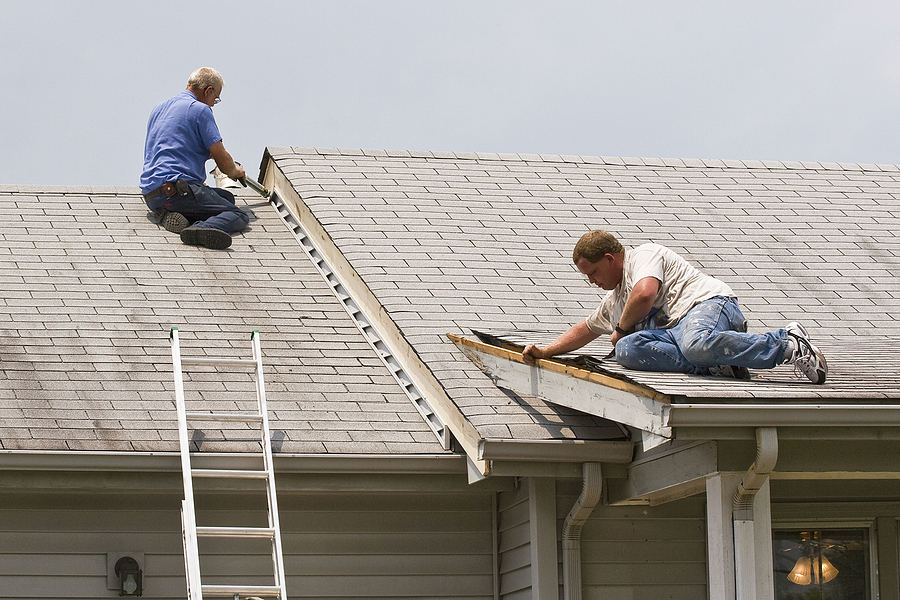
The Uninvited Guests: Signs and Solutions for Raccoon Infestations