
As winter settles across Indiana, homeowners aren’t the only ones looking for a warm place to wait out the cold. While you are turning up the thermostat and settling in for the season, local wildlife is doing the exact same thing. Raccoons, in particular, are notorious for turning Hoosier attics, chimneys, and crawlspaces into their personal winter retreats.
These masked bandits are more than just a nuisance. They are intelligent, strong, and capable of causing significant structural damage in their quest for warmth. From torn insulation to chewed electrical wires, the cost of a raccoon intrusion can be steep. Prevention is far more effective—and less expensive—than eviction.
By understanding what drives these animals indoors and taking specific steps to fortify your home, you can ensure that your family remains the only residents in your house this winter.
FAQ’s About Raccoon-Proofing in Winter
What do raccoons do in winter?
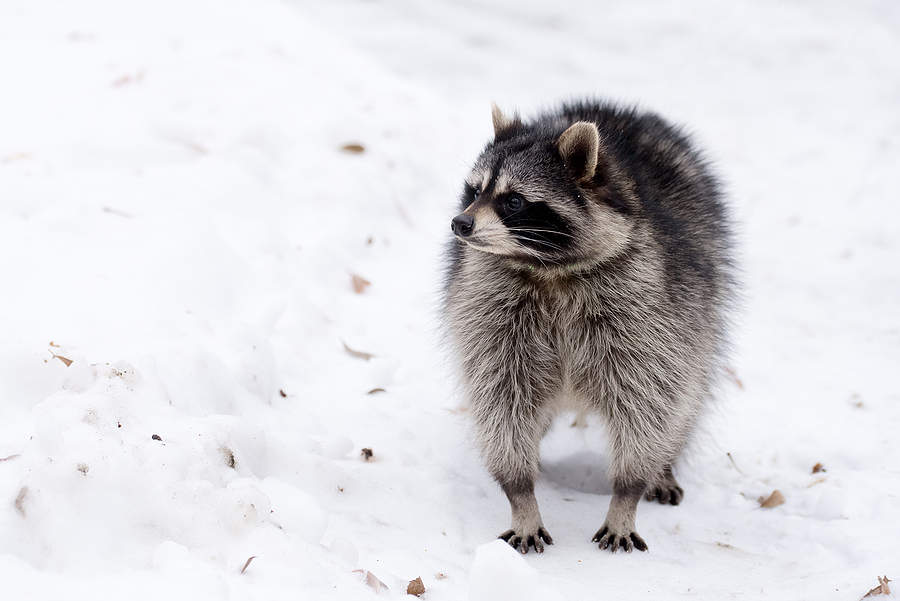
Many people assume raccoons hibernate like bears, sleeping away the entire winter. This is a misconception. Raccoons enter a state called torpor. They will sleep for long stretches during severe cold snaps—which are common in Indiana Januarys and Februarys—but they wake up during milder spells to forage for food.
Because they remain active, they require a den that keeps them safe from the freezing temperatures and wind. In the wild, this would be a hollow tree or a rock crevice. In the suburbs of Indianapolis or the rural areas of the state, your home offers a much more attractive alternative. Your attic is dry, warm, and safe from predators.
Raccoons are also opportunistic eaters. Winter food scarcity makes them bolder. If your property offers easy access to trash or pet food, they will remember it. Once they associate your home with food, they are more likely to test your defenses to see if they can move in.
How do I seal common raccoon entry points?
Raccoons are incredibly dexterous. They have paws that function much like hands, allowing them to turn doorknobs, unlatch gates, and rip open weak building materials. To keep them out, you need to identify and reinforce every potential entry point.
Chimneys and vents
An uncapped chimney is essentially an open door for a raccoon. It resembles a hollow tree, making it an instinctive choice for a den. Install a commercial-grade steel chimney cap that is securely bolted to the flue. Avoid cheap aluminum caps, as a determined raccoon can easily pry them off.
Similarly, roof vents and attic fans are common targets. Raccoons can tear through standard bug screens or flimsy aluminum louvers. Cover these openings with heavy-duty hardware cloth (wire mesh) or specialized wildlife-proof vent covers.
Roof intersections and soffits
Inspect your roof for any areas where different rooflines meet. These intersections often have gaps or weak flashing that raccoons can exploit. Soffits (the material covering the underside of your roof overhang) are also vulnerable. If you have vinyl soffits, raccoons can push them up to squeeze into the attic. Secure these firmly and consider reinforcing them with plywood or mesh from the inside if possible.
Siding and foundation gaps
Walk the perimeter of your house. Look for loose siding or holes near the foundation. Raccoons can squeeze through openings as small as 4 inches in diameter. Seal these gaps with concrete, steel wool, or metal flashing. Do not use expanding foam alone; raccoons can chew right through it.
Schedule a Free Raccoon Removal Estimate Today ✅
How can I secure food sources?
If you remove the buffet, you reduce the likelihood of guests staying the night. Raccoons have an excellent sense of smell and will travel far for a high-calorie meal during the lean winter months.
Garbage management
Your trash cans are the primary target. If possible, keep garbage cans inside a garage or shed until the morning of pickup. If they must stay outside, invest in animal-proof lids or use bungee cords to secure the tops. Simply placing a heavy rock on the lid is rarely enough for a clever raccoon.
Pet food and bird feeders
Never leave pet food outside overnight. It attracts everything from raccoons to opossums and stray cats. If you feed pets on a porch or deck, bring the bowls in immediately after they finish eating.
Bird feeders are another common attractant. Raccoons love sunflower seeds and suet. If you notice raccoon activity, take the feeders down for a few weeks to break their routine. Alternatively, install baffles on feeder poles to prevent them from climbing up, and clean up spilled seed daily.
Do raccoon deterrents actually work?
When physical barriers aren’t enough, some homeowners turn to deterrents to make their property less welcoming. These methods rely on the raccoon’s senses to drive them away.
Light and sound
Raccoons are nocturnal and prefer dark, quiet spaces. Motion-activated floodlights can startle them, making them feel exposed. Similarly, placing a battery-operated radio tuned to a talk station in an attic or near a known den site can disrupt their sleep. They perceive the human voices as a threat.
Scent repellents
There are various commercial repellents available that mimic the scent of predators (like coyote urine). DIY solutions often involve ammonia-soaked rags or bowls of apple cider vinegar placed near entry points.
However, use these with caution. Deterrents are often temporary fixes. A mother raccoon protecting her kits during a harsh Indiana snowstorm will likely ignore a bad smell or a bright light in favor of survival. Physical exclusion—sealing the holes—is always superior to harassment techniques.
What are some yard maintenance tips for pest control?
A well-maintained yard provides fewer hiding spots and less access to your home. Winter is a great time to survey your property for structural risks.
Cut back tree branches
Trees growing near your house act as bridges. Raccoons are excellent climbers and will use overhanging branches to jump onto your roof. Trim any tree limbs so they are at least 6 to 8 feet away from your roofline. This makes it significantly harder for them to access your chimney and vents.
Clear debris and woodpiles
Piles of brush, firewood, or old construction materials can serve as temporary shelter or hunting grounds for raccoons. Stack firewood at least 20 feet away from your house and keep it elevated off the ground. Clear out brush piles before the snow falls to remove potential ground-level dens.
When should I call a professional wildlife service?
There is a distinct difference between raccoon proofing and raccoon removal. If you suspect a raccoon is already living in your home, do not seal the entry points.
If you seal a hole while the animal is inside, you will trap it. A trapped raccoon will cause immense damage trying to escape, clawing through drywall and ceilings. Worse, if it dies inside your walls, you will face odor and health issues that are difficult to resolve.
You should call a professional if:
- You hear thumping, scratching, or vocalizations in your attic or walls.
- You see physical evidence like droppings (latrines) or nesting material.
- The raccoon appears sick, aggressive, or lethargic during the day (signs of distemper or rabies).
- It is late winter or early spring, as there may be babies in the nest. Removing a mother and leaving the babies behind is inhumane and leads to further problems.
Protect Your Home This Winter
Winterizing your home against raccoons requires a keen eye and a bit of effort, but the peace of mind is worth it. By securing your trash, reinforcing your roof, and maintaining your yard, you make your home a fortress against the cold and the critters that want to escape it.
If you are hearing bumps in the night or suspect a raccoon has already moved into your Indianapolis home, don’t tackle it alone. Raccoons can be dangerous when cornered.
Need expert help? Contact our team for professional raccoon removal and control services in Indianapolis today. We specialize in humane removal and exclusion repairs to keep your home safe and wildlife-free.
Related Post: Do You Have a Winter Raccoon Infestation?