That thumping overhead at 2 a.m. isn’t your imagination. For many Noblesville homeowners, the unsettling sounds of scratching, rolling, and heavy footsteps coming from the attic are the first sign that a raccoon has moved in—uninvited.
Raccoons are resourceful, strong, and surprisingly nimble. They thrive in suburban areas like Noblesville and Hamilton County, where wooded parks, residential neighborhoods, and accessible food sources create ideal conditions for wildlife activity. Once a raccoon sets up camp in your attic, the damage can escalate fast. Acting quickly isn’t just about the inconvenience—it’s about protecting your home, your health, and your family.
This guide walks you through the signs, risks, and steps to take when you suspect a raccoon has found its way into your attic.
Signs You Have a Raccoon in Your Attic
Unusual Noises at Night
Raccoons are nocturnal. If you hear heavy thumping, rolling, or dragging sounds after dark, that’s a strong indicator. Unlike squirrels or mice, raccoon activity is noticeably louder due to their size—typically weighing between 15 and 40 pounds. Chattering or vocal sounds, especially during spring birthing season, are another clear warning sign.
Droppings, Urine, and Odor
Raccoons establish designated latrine areas inside the attic. Their droppings are larger than most wildlife and accumulate quickly. A strong, musky odor seeping through your ceiling is often the first thing homeowners notice—and by that point, contamination has already begun.
Damaged Insulation and Chewed Wiring
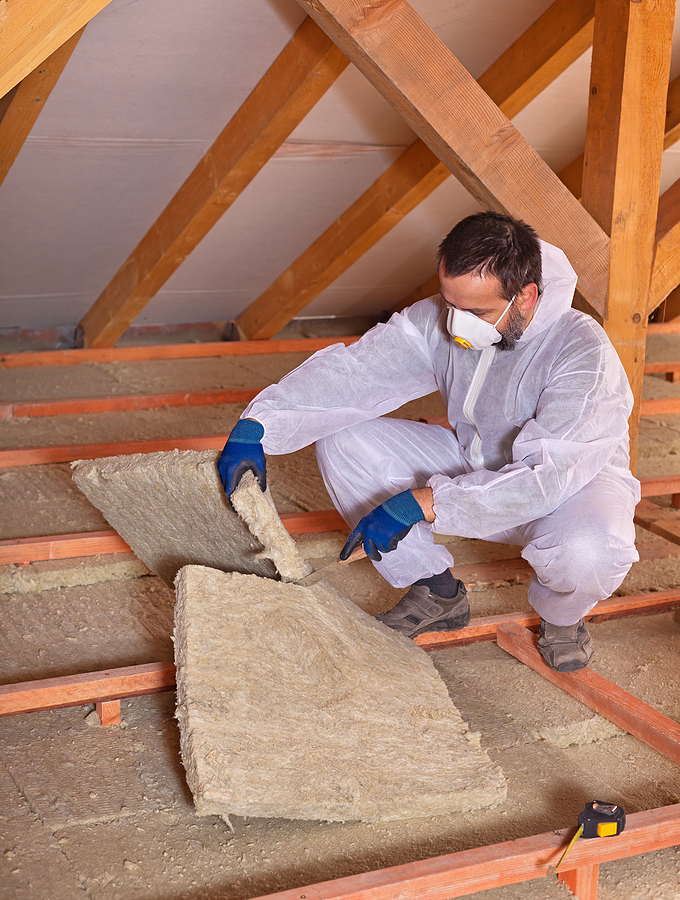
Raccoons compress and displace insulation to create nesting spots. More concerning, they frequently chew through electrical wiring—a serious fire hazard. Torn or disconnected ductwork is another common sign that a raccoon has been rearranging things overhead.
Visible Entry Points on the Exterior
Check your roofline for loose shingles, pulled-back soffits, bent attic vents, or gaps around fascia boards. A raccoon only needs an opening as small as four inches to squeeze inside. What looks like minor weathering to a homeowner is an open door to wildlife looking for shelter.
Health and Safety Risks of Raccoons in the Attic
Disease and Parasite Transmission
Raccoons carry rabies, though transmission to humans is rare with proper precautions. A more significant concern is raccoon roundworm (Baylisascaris procyonis), a parasitic infection spread through raccoon feces. According to the Centers for Disease Control and Prevention (CDC), while human infections are uncommon, they can be severe—potentially causing blindness, loss of muscle control, or neurological damage if left untreated. Children face the highest risk due to accidental contact with contaminated materials.
Structural Damage
Beyond the health concerns, raccoons cause real, costly structural damage. Contaminated insulation loses its thermal efficiency, driving up energy bills. Chewed wiring creates fire risks. Damaged ductwork compromises your HVAC system. The longer a raccoon remains, the more expensive the repairs become.
Initial Steps to Take Right Away
Keep your family and pets away from the attic. Do not attempt to handle or corner a raccoon—especially during spring, when mothers with young can become aggressive in defense of their babies.
Document the damage. Take photos of any entry points, visible droppings, or damaged materials. This documentation will be useful when contacting a professional and when filing a homeowners insurance claim.
Avoid DIY removal. It may be tempting to set a trap yourself, but unskilled attempts often backfire. Separating a mother from her young can cause the animal to relocate deeper into your home’s structure. It can also put you at direct risk of injury or disease exposure.
Professional Raccoon Removal in Noblesville
Why Licensed Wildlife Removal Experts Matter
Hiring a licensed wildlife removal professional is the safest and most effective approach. In Indiana, resident landowners can legally trap raccoons without a permit if the animal is causing property damage—per guidelines from Purdue University Extension and the Indiana DNR. However, state law requires traps to be checked within 24 hours, and any relocated raccoon must be released within the same county of capture with landowner permission.
A professional Noblesville raccoon removal service handle all of this compliantly and humanely.
What the Removal Process Looks Like
A qualified technician will:
- Conduct a full attic and roof inspection
- Identify all active and potential entry points
- Use humane trapping or eviction methods
- Safely remove any young raccoons present
- Clean and decontaminate affected areas
- Seal all entry points to prevent re-entry
The timeline varies depending on the severity of the infestation. A single raccoon may be resolved in a matter of days, while a family group with young will take longer to manage safely.
Prevention After Removal
Sealing entry points is just as important as the removal itself. A professional exclusion service ensures that vulnerable areas—soffits, roof vents, chimneys, and fascia boards—are properly secured. Without this step, lingering scent markers can attract new animals to the same location.
Raccoon Removal Cost in Noblesville
What to Budget For
According to local Indianapolis-area wildlife removal providers, raccoon removal typically costs between $425 and $615 for the initial removal. However, most professional services start at a minimum of $800 or more once essential exclusion work is included.
Additional costs to anticipate:
- Entry point sealing: $750–$2,000+
- Damage repair: $400–$3,000+
- Attic cleaning and decontamination: $500–$1,500+
- Full attic remediation: $8,000–$25,000+ in severe cases
Does Homeowners Insurance Cover Raccoon Damage?
Coverage varies by policy. Some homeowners insurance policies cover structural damage caused by wildlife, but typically exclude gradual damage or contamination cleanup. Contact your insurance provider directly to clarify what your policy includes before beginning any repair work.
The Value of Acting Early
Delaying removal consistently leads to higher costs. A raccoon that stays for weeks causes exponentially more damage than one caught in the first few days. Investing in professional removal and exclusion early is nearly always more cost-effective than raccoon damage cleanup after extended damage.
Frequently Asked Questions
How do raccoons get into attics?
Raccoons are strong climbers capable of scaling brick, siding, and downspouts to reach a roofline. Common entry points include weakened soffits, loose shingles, roof vents, attic fans, and chimney openings. They can squeeze through gaps as small as four inches, meaning even minor exterior damage can serve as an entry point.
Is it illegal to trap raccoons in Indiana?
No. According to Indiana DNR regulations and Purdue University Extension guidance, resident landowners and tenants may trap raccoons without a permit if the animals are causing property damage. However, Indiana law requires traps to be checked within 24 hours, and any relocated animal must be released within the county of capture with the landowner’s permission. Working with a licensed professional ensures full legal compliance.
How long does raccoon removal take?
For a single raccoon without young, removal may be resolved within a few days. If a mother and her babies are present—most common in spring—the process takes longer to ensure all animals are removed humanely and safely. Full exclusion and cleanup work adds additional time.
Can I use poison or lethal traps to get rid of raccoons?
Poison is not recommended or appropriate for raccoon control. Raccoons are not classified as rodents and do not respond to conventional rodenticides. Indiana law permits euthanasia of captured raccoons only by humane means. Lethal removal, where legally applicable, should only be handled by a licensed wildlife control professional.
Get Rid of Raccoons Today
Raccoon intrusions can be stressful, but approaching the situation responsibly makes all the difference. By understanding local laws, prioritizing non-lethal removal methods, and working with a licensed wildlife control professional when needed, you can resolve the issue effectively and ethically. Proper exclusion and prevention measures are key to avoiding future problems and maintaining a safe coexistence with local wildlife. When in doubt, seek professional guidance to protect both your property and the animals involved.
Request a free estimate for raccoon removal in Noblesville and the surrounding Indianapolis area. Our licensed wildlife removal specialists serve Hamilton County and neighboring communities, providing humane, compliant, and thorough removal services—from initial inspection to full exclusion and cleanup. Don’t wait for the problem to get worse. Contact us today.
Related Posts:
Keep Raccoons Out of Your Attic: Managing Overhanging Branches on the Roof
Dealing with the Damage Caused by Raccoons in Your Attic
3 Signs You Have Raccoons in the Attic