How to Spot the Signs of Rabies in a Raccoon

Raccoons are dirty and destructive animals that tend to behave mischievously. But there is a more serious concern that encourages homeowners to protect their properties from nuisance raccoon activity. We are talking about the Rabies Virus. Raccoons are a common carrier of the Rabies virus, and although they do not always become actively infected or show signs of being a carrier, spotting a rabid raccoon is easy.

Continue reading to learn the most common signs that a raccoon has Rabies, and what to do if you come across one in nature or on your property.

Indianapolis Raccoon Removal and Control 317-535-4605

Detecting Rabies Symptoms in Raccoons

Anytime you come across an animal, whether domesticated or wild, that you suspect has Rabies, always act as if they do, and keep your distance. As for raccoons, a healthy raccoon should be out at night, or dusk. Also, they should appear robust, coordinated, and seem as though they have an agenda. A healthy raccoon should exhibit all characteristics that a mammal in good condition would. Now, as for a rabid raccoon, the signs are very different.

Here are the Most Common Signs and Symptoms of a Rabid Raccoon:

The raccoon cannot walk straight, or has trouble walking. They might even appear to be intoxicated or confused, and might also be walking in circles.

The raccoon appears confused, disoriented, or reacting slow.

The raccoon is making strange sounds and noises. A little chit chatter with other coons is normal, but strange noises while out and about is not.

The raccoon is foaming at the mouth or has an abnormal amount of saliva. The raccoon may look like its drooling excessively. But no one should ever be close enough to a raccoon to see the foam in their mouths!

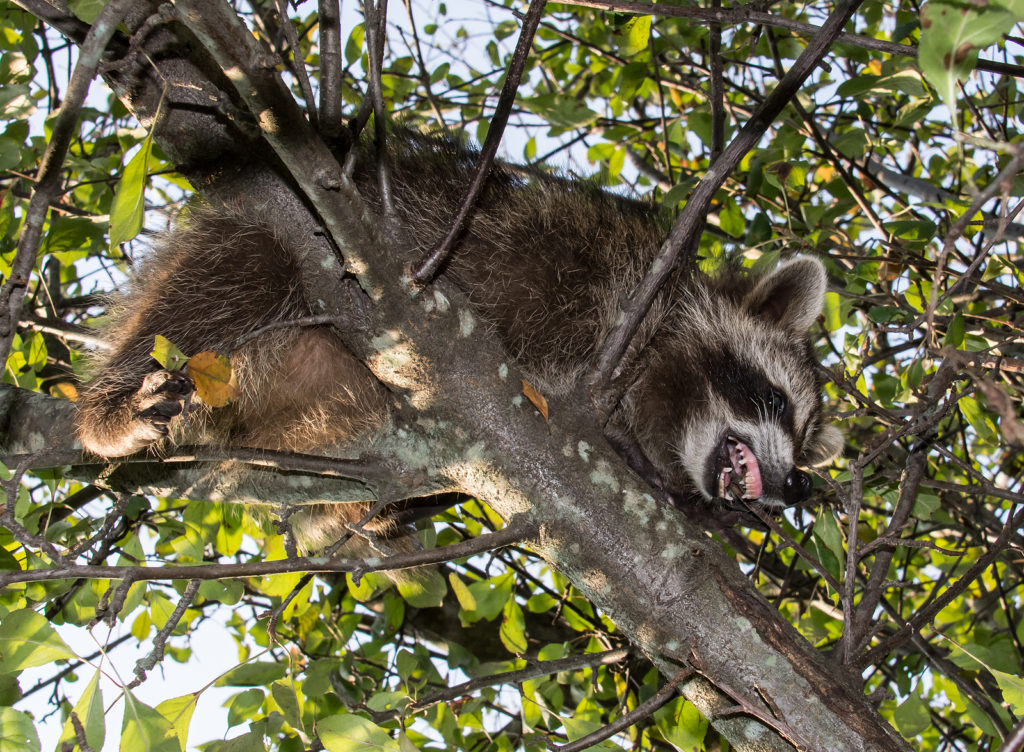
The raccoons looks sick, weak, dead, or appears as if it is dying.

The raccoon is out during the daytime hours. Although a healthy raccoon can do this from time to time, if a raccoon is demonstrating any of the above signs in addition to being out during the day, it may be rabid.

Indianapolis Raccoon Removal and Control at an Affordable Price

Call 317-535-4605 for prompt and professional Indianapolis raccoon removal services at the most competitive prices in town. We are DNR licensed and insured wildlife rescue and control contractors who offer residential and commercial raccoon abatement services throughout all of Central Indiana, including raccoon damage clean up services. Get started by requesting a free estimate, today.
Will a Wild Raccoon Hurt Me?

Raccoons are wild animals, and their behavior can never be accurately predicted. This means raccoons can indeed be a potential threat for humans and domesticated pets. Continue reading to learn the potential dangers of a wild raccoon encounter, and how to avoid risk if ever confronted by one.

Indianapolis Raccoon Removal and Control 317-535-4605

Raccoons Have Sharp Teeth and Can Bite

If a raccoon is provoked or feels threatened, it may try to defend itself by any means necessary. If you try to handle a wild raccoon, they will use their teeth to bite you and scare you away. Raccoons are known to carry Rabies, Distemper, Leptospirosis, and several other types of infectious diseases that can be passed on through saliva and other bodily fluids. A raccoon bite can be very painful, but worse, can cause dangerous infections. Raccoons are not likely to attack, but they have been known to bite if a person attempts to touch them or come too close.

Raccoons Will Attack if Threatened or Scared

Another reason why raccoons can be harmful to humans and animals is their parental instincts.  In nature, mammals are programmed at birth to reproduce and protect their offspring. Often times, a dog or cat will come across a raccoon den and get attacked, bitten, or scratched because they were too curious about the colony. A mother raccoon will go to extreme measures to protect their nest and young. This can also happen if a homeowner finds a raccoon colony nesting in their attic or under their porch, if threatened, the mother will defend by biting, clawing, and scratching them.

How to Keep Raccoons Away

In order to keep raccoons away, you must make certain changes that make your property undesirable to them. Do this by removing or covering all food, water, and shelter sources. This includes bird baths, pet food, garbage cans, compost piles, log piles, squirrel feeders, and more. You can also install motion-detection lighting, automatic sprinklers, and electronic sound machines. You can even try playing a talk radio outside to teach raccoons that people occupy this area.

Indianapolis Raccoon Removal and Control at an Affordable Price

Call 317-535-4605 for prompt and professional Indianapolis raccoon removal services at the most competitive prices in town. We are DNR licensed and insured wildlife rescue and control contractors who offer residential and commercial raccoon abatement services throughtout all of Central Indiana, including raccoon damage clean up services. Get started by requesting a free estimate, today.

How to Keep Raccoons Out of a Swimming Pool

Raccoons are attracted to water for many reasons. They are known to wash, rinse, or dunk their food in water before eating it, plus they prefer to live near bodies of water for better food sources. Additionally, raccoons are great swimmers, and love to take a dip in the water on a hot day. For those who own private swimming pools, this can be a problem.

It is quite common for properties with swimming pools to have a nuisance raccoon issue. Such issues should be resolved as soon as possible to avoid cross-contamination, structural damages, disease, and additional wildlife-related hazards. Raccoons can cause a large amount of destruction with their urine and droppings, as well as their innate abilities to grasp, pry, rip, and tear.

Fortunately, there are several ways to put a stop to nuisance raccoon activity, all of which are simple, safe, and humane. Continue reading to learn how you can keep raccoons away from your pool this summer using both environmental modifications and technology.

Raccoon Removal and Control 317-535-4605

Nuisance Raccoon Abatement

Your swimming pool is not the only reason why you have raccoons coming to your property every night. There are other elements of your property that raccoons find attractive. By removing or protecting such attractions, you can divert their attention away from your property. Once your property is no longer lucrative for raccoons, they will stop coming by. Happily, raccoons have excellent memory and will remember that your house has nothing to offer them.  

Here are some helpful environmental modifications and technological applications to consider for raccoon abatement:

☑ Remove all pet food and water bowls.

☑ Erect fencing around gardens.

☑ Remove log piles and compost.

☑ Remove bird feeders and bird baths.

☑ Take your trashcans outside the morning of collection.

☑ Seal up den holes in trees.

☑ Mend loose siding and roofing.

☑ Repair holes and gaps in mortar, brick, and other house exteriors.

☑ Install motion-sensing lights.

☑ Leave a talk radio station on outside at night.

☑ Program automatic sprinklers for nighttime.

Comprehensive Pool Protection

In addition to applying these environmental modifications and technologies, you will need to apply further tactics to protect your swimming pool. Raccoons are known to defecate and urinate in swimming pools, and even destroy pool lining, filters, and more. It is important to invest in a quality pool cover, and have it on whenever your pool is not in use. If you cannot get a pool cover that protects the entire pool, at least get one that covers the shallow-end where the steps are located. If raccoons cannot access the pool steps, they will likely leave the pool alone.

Indianapolis Indiana Raccoon Control at Your Service

Call 317-535-4605 for Indianapolis raccoon control services you can trust. We are DNR licensed and insured nuisance wildlife removal contractors who offer a wide range of 24 hour raccoon removal and control services, including raccoon cleanup, raccoon proofing, minor restorations for raccoon damages, and more. Call 317-535-4605 to request a free estimate or emergency service, today.

Communicable Diseases That Can Be Carried By Raccoons

Wild raccoons are common carriers of various infectious and transmittable diseases. These maladies are unfavorable ailments to contract and treat. In humans, most of these communicable diseases are treatable, but nonetheless painful and unpleasant.  In pets, the more serious infections are difficult to treat and are sometimes incurable.

Continue reading to learn some interesting and helpful facts about common transmittable raccoon diseases, and who to call to remove nuisance raccoons from your residential or commercial property.

Indianapolis Raccoon Removal and Control
Indianapolis Raccoon Removal and Control 317-535-4605

Rabies Virus

Almost everyone has heard the term, “rabies”, before. If you have seen ravenous dogs foaming at the mouth on television, this is most likely the directors take on a rabid animal. The truth is that rabies is not a disease to brush off as a light matter. It is a very real and common threat to our outdoor pets, as well as, us and our children. The rabies virus can be transmitted through saliva or other bodily secretions such a blood. If mixed or ingested with another person or animal’s system, the disease can be born and can also be fatal. 

Rabies vaccinations are available to the public and for pets. It is strongly suggested to take advantage of such vaccinations; especially if you have kids and pets, and live near wooded areas or communities. Other treatments include several infections, shots, immunizations, and medication. Unfortunately, in animals, rabies is almost always fatal.

Leptospirosis Bacterial Infection

The bacterium known as Leptospirosis is another infection that can be transmitted by wild raccoons.  This bacterium is carried in raccoon urine, and can be accidentally digested or contacted by humans and pets. Most of the time, contaminated water that comes into contact with the skin, eyes, nose, throat, or mouth is how the infection in contracted.

The infection causes influenza-like symptoms such as fever, core throat, coughing, and fatigue. It can also cause serious liver and kidney problems, which is why it is important to seek treatment as soon as you are aware there is something wrong. This disease does not have to be fatal so long as preventative care and treatment are implemented.

Baylisascaris Infection (Roundworm)

Roundworm is a very unpleasant disease that is also commonly carried and spread by wild raccoons. The Baylisascaris eggs are laid in raccoon feces, and spread by consumption or contact. People and animals can unintentionally swallow these eggs in water or soil. Because of this, children who play outside and pets are higher at risk for roundworm infection. Symptoms include fatigue, loss of muscle control and coordination, dizziness, and at worse stages, coma or blindness.  Although this infection is rare to contract, a large percentage of North American raccoons are carriers of this bacterium.

Indianapolis Raccoon Removal and Control You Can Trust

Call 317-535-4605 for Indianapolis raccoon removal and control services you can trust. We are DNR licensed and insured nuisance wildlife removal contractors who offer a wide range of raccoon removal and control services, including raccoon cleanup, raccoon proofing, minor restorations for raccoon damages, and more. Request a free estimate or emergency service, today.

Do Raccoons Eat Other Animals?

If you have raccoons looming around your property at night, you might be wondering why. Well, raccoons are on a forever hunt for two things: food and shelter. Mostly, they are in search of food, which they will find using their high level of intelligence, dexterous paws, and acute memory capacities. But if they come across a place that suits their sheltering needs better than the nest they are living in, they will take advantage of that opportunity as well. So, if you have any type of food source on your property, it is likely the reason why you are having nightly raccoon visitors.

But what do raccoons eat? Will they eat your pet cat or dog? Will they eat other types of animals? Continue reading to learn what the common raccoon diet consists of and put your concerns to rest.

Raccoon Removal and Control 317-535-4605
Indianapolis Raccoon Removal and Control 317-535-4605

Common Raccoon Diet

Raccoons are omnivores, just like humans. They eat meat, fruit, vegetables, and many other food groups. They basically eat almost anything. In metropolitan and urban areas, like our neighborhoods and towns, raccoons will mostly eat a diet of human garbage. They are quite known as dumpster divers and trashcan pillagers, making raccoons a common nuisance in the city and suburban locales. In the wild, raccoons mostly consume acorns, corn, insects, fish, and eggs. As for animals, they will eat hatchlings, small amphibians, and small birds.

So yes, raccoons do eat other animals at times, but they will not eat a cat or dog.

Nuisance Raccoons and Your Pets

Although raccoons are not after your cat or dog for their next meal, there is a chance that a raccoon will attack a curious, aggressive, or over-friendly cat or dog. For this reason, it is strongly encouraged to keep your pets properly vaccinated according to your vet’s recommendation. Furthermore, if you live in an area with known raccoon activity, avoid letting your pets outside at night unsupervised. This is when raccoons are active, and if approached or threatened, will bite or scratch a dog or cat. The rabies virus is often carried by raccoons, and is transmitted through blood and saliva, so you do not want your pet bitten or scratched from a raccoon that could possibly be infected.

How to Get Rid of Raccoons

The best way you can stop raccoons from trespassing onto your property is to remove all the things that are attracting them in the first place. If your property is no longer a source of food, water, or shelter, they will move onto other properties that provide these amenities. Seal up or remove these sources of food, water, and shelter: trashcans (always take them out on the morning of garbage collection day), pet food, gardens, bird baths, squirrel feeders, compost piles, log piles, hollowed trees, junk cars, and unlocked barns or sheds.

Indianapolis Raccoon Removal and Control Service

Call 317-535-4605 for prompt and professional Indianapolis raccoon removal and control you can trust. We are DNR licensed and experienced wildlife control specialists who only use safe and humane methods to exclude and extract raccoons. We also offer 24 hour emergency service, raccoon cleanup and restoration, inspections, and raccoon-proofing. Call 317-535-4605 to request a free estimate, today.

Top 3 Products for Humane Raccoon Abatement

If you are having problems with nuisance raccoons on your property, but hesitant to take action in fear of harming the animals or surrounding environment, this may be the solution you’ve been waiting for. Continue reading to learn the top three products you can buy and use for safe, humane, and 100% non-lethal raccoon abatement.

Indianapolis Raccoon Removal and Control 317-535-4605

Live Trap Cages

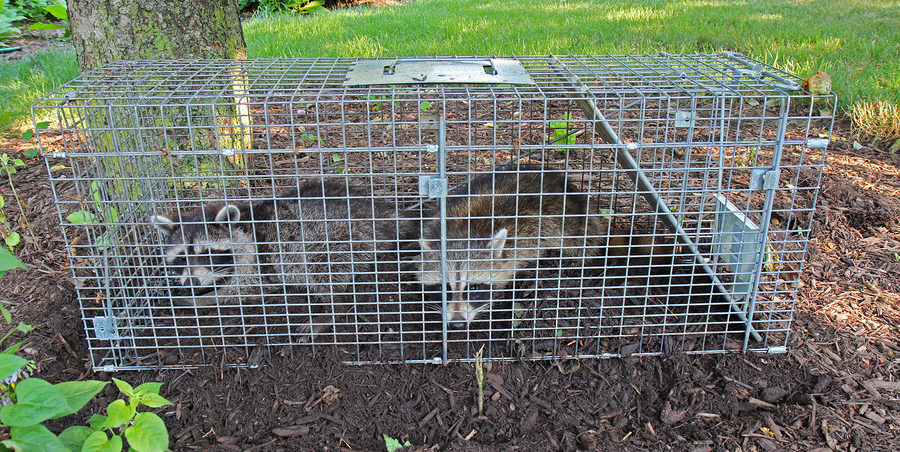
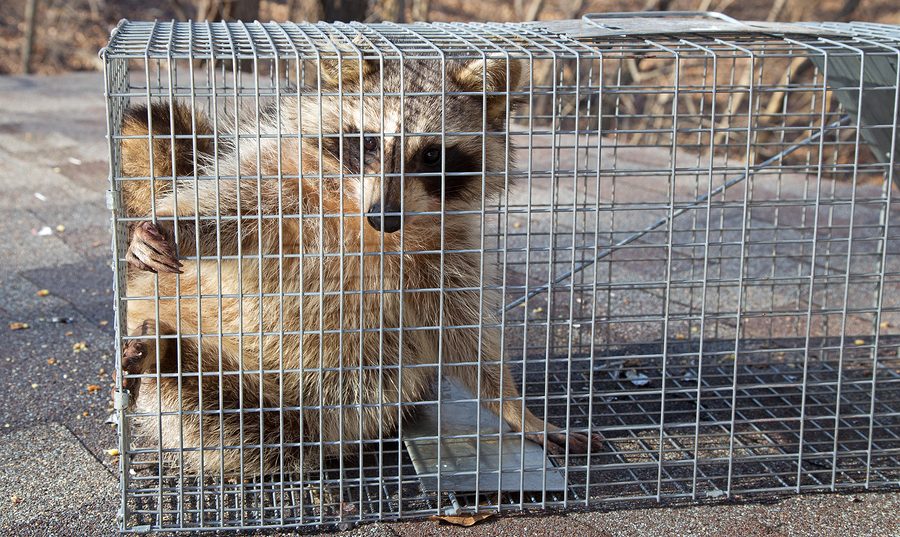
In the professional raccoon removal and control industry, the best practice is to always use safe and humane, non-lethal methods. Furthermore, it is important to always adhere to all local, state, and federal regulations that govern wildlife abatement. Live trap cages are one of the most common pieces of equipment approved by set laws, and utilized by professional companies when raccoon extraction and relocation is necessary. These traps come in all different shapes and sizes, and work by allowing a raccoon to enter, but not exit. Absolutely no harm is caused to the raccoon, and the cage itself protects the user from any raccoon contact.

Granular Animal Repellents

It is highly inhumane to use toxic chemicals or solutions to rid a property of raccoons. Not only is it harmful to the raccoons themselves, it is also dangerous to non-target animals and the surrounding environment. For these reasons, several manufacturers in the animal abatement industry have developed organic repellents as a humane and non-toxic alternative. Common ingredients include tastes and sensations that raccoons hate, such as black pepper, menthol, and capsaicin. These repellents come in granular form, and can be easily dispersed around the perimeter of a property. Common ingredients include tastes and sensations that raccoons hate, such as black pepper, menthol, and capsaicin.

Spray Animal Repellents

An addition to granular repellents, you also have the option of purchasing spray repellents. Scientifically developed and concocted based on the same principles of granular formulas, spray animal repellents work by thwarting raccoon activity in concentrated areas. You can also choose to make your own spray repellent by combining olive oil, water, black pepper, cayenne pepper, and red pepper together, and then applying it to the perimeter of your property. Just be sure to keep pets away from treated areas since the pepper can irritate their eyes and nose.

Trusted Indianapolis Raccoon Control

Call 317-535-4605 for Indianapolis raccoon removal and control you can trust. We are DNR licensed and insured nuisance wildlife removal contractors who offer a wide range of 24 hour raccoon removal and control services, including raccoon cleanup, raccoon proofing, minor restorations for raccoon damages, and more. Call 317-535-4605 to request a free estimate or emergency service, today.

A Recent Citation Reminds Us Not to Make Raccoons Our Pets

Last month, a woman in Indiana was cited by police 29 times for owning 29 baby raccoons. Why did she get these citations? Continue reading to find out, including the lesson we can all take from this incident.

Indiana Raccoon Removal Services
Indianapolis Raccoon Removal 317-535-4605

Pet Raccoons are Illegal Without a Permit

Without the proper permits and licensing, owning a raccoon is illegal under state law. The Hoosier woman who was cited 29 times for owning 29 baby raccoons did not have any of the proper permits required by law for legal exotic pet domestication. Not only must individuals acquire a legal permit for exotic pet ownership, they must also stay on top of routine renewals, as such permits expire after a few years.

The woman in this case actually had an expired permit, as she was a retired wildlife rescue rehabilitation professional. But this incident shows us just how strict Indiana laws are on exotic and wild animal pet domestication. There are several reasons why these regulations are in place, but the top most important reasons are for animal protection and preservation, and for our own safety.

For this reason and more, wild animals, including raccoons, are not meant to be caged. Therefore, it is not advised to own one as a pet if proper care cannot be provided on a consistent basis.  Animal sanctuaries, such as zoos and rehabilitation centers, are the only settings that are appropriate for wild animal domestication. Sadly, in this case of 29 citations, 10 raccoons had to be euthanized due to health issues, while the other 19 were relocated to a safe, faraway habitat.

Because raccoons are a Class II wild animal here in Indiana, a Class II permit is required. Indiana defines Class II wild animals as, “(…)a wild animal that, because of its nature, habits, or status, may pose a threat to human safety.” To learn more about exotic pet ownership permits, see the Indiana Administrative Code. Title 312. Natural Resources Commission. Article 9. Fish and Wildlife. Rule 11. Wild Animal Possession Permits, here.

If You Find a Baby Raccoon

Although a baby raccoon looks cute and cuddly, they are still wild animals. You must resist the urge to touch or move the raccoon. Instead, contact a local Indianapolis raccoon removal company for prompt and professional relocation services that will not harm the raccoon in any way. While waiting for professional services, keep all people and pets away from the vicinity of the raccoon. It could be ill or carry a disease, so keep your distance as well.

Indianapolis Raccoon Removal You Can Trust

Call 317-535-4605 for Indianapolis raccoon removal services you can trust. We are DNR licensed and insured nuisance wildlife removal contractors who offer a wide range of raccoon removal and control services, including raccoon cleanup, raccoon proofing, minor restorations for raccoon damages, and more. Call 317-535-4605 to request a free estimate or emergency service, today.

How to Keep Raccoons Out of the Garden

Gardens are a great source of nutritious produce right at your fingertips. But at night when they are unattended, gardens are like a free buffet for raccoons. If you are noticing that your gardens are being pillaged by nuisance wildlife during the night, raccoons are likely to blame. Not only are they intelligent and can remember where food sources are located, they have human-like paws that can prick, pry, pluck, and more.

If you want to stop nuisance raccoons from destroying your cherished gardens, continue reading to learn what you need to do.

Indianapolis Raccoon Removal and Control 317-535-4605

Raccoons and Gardens

Why do raccoons love your garden? Because they are opportunistic feeders; they will eat meat, vegetables, fruit, grains, and even the Coco Crispiesâ  they find in the trash can. As omnivores, raccoons will take great pleasure in eating everything your garden has to offer, from herb and cabbages, to cucumbers, tomatoes, asparagus, carrots, potatoes, mild peppers, corn, and more.

Raccoon Control

The best way to stop raccoons from pillaging your gardens every night is to implement certain environmental modifications. First, plant things that raccoons hate around the perimeter of your garden, such as spicy peppers, menthol, and marigolds. Then, you must remove all other attractions from your property that raccoons take interest in, namely food and water like bird baths, pet food, and squirrel feeders.

Once you have put these environmental modifications into effect, your next step is to consider some form of fencing around your garden. Chicken wire works well, but many homeowners do not like the look. Another options, as mentioned, is planting a fence of marigolds. Raccoons hate the sticky, prickly vines and foliage of marigolds, and will not try too hard to surpass them.

Another option is professional raccoon control services. Not only can a professional raccoon control company implement these same environmental modifications for you, they can also ensure that your home and adjacent shelters (i.e. barns, sheds, garages, etc.) are not vulnerable to invasion. They will inspect and seal all openings and vulnerable areas so that raccoons cannot enter inside.

Indianapolis Raccoon Removal and Control

Call 317-535-4605 for prompt and professional raccoon removal and control in Indianapolis, Indiana and its surrounding areas. We are DNR licensed and insured wildlife rescue and control contractors who offer residential and commercial raccoon abatement services at the most competitive prices in town, including minor attic restorations for raccoon damages. Get started by requesting a free estimate, today.
The Three Extant Species of Raccoon

There are 3 different types of raccoon species in the Procyon genus. Continue reading to learn some interesting facts about each one, including what you can do to help abate nuisance raccoon activity around your home.

Indianapolis Raccoon Removal and Control 317-535-4605
Crab-Eating Raccoons

Existing Raccoon Species Currently in the Procyon Genus:

🦝 The Common Raccoon

Scientific Name: Procyon lotor
Additional Names: Northern Raccoon and Raccoon

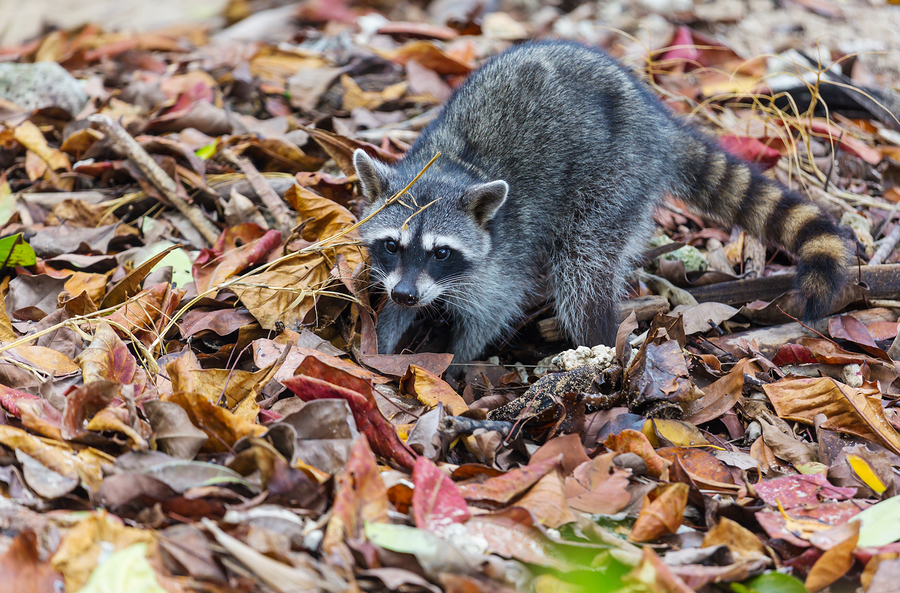
Common raccoons have a broad range, scoping from southern Canada to Panama, and everywhere in between. Descriptively, they are a medium-sized mammal with gray fur and a long, ring-striped tail.  They are often seen with a black stretch of fur directly over their eyes, giving them the look of wearing a vigilante mask. At full maturity, raccoons can weigh anywhere from 8 to 20 pounds, and stand 1 to 2 feet on their hind legs.

🦀 The Crab-Eating Raccoon

Scientific Name: Procyon cancrivorus
Additional Names: South American Raccoo

The Crab-eating raccoon is native to the Southern continental regions, in Costa Rica and throughout South America. Their scope is also known to range east of the Andes, all the way down to northern Argentina and even Uruguay. Their diets primarily consist of crab, lobster, crayfish and other crustaceans and shellfish, hence the name. Compared to the Common raccoon, they are similar in size, but have shorter fur and long, slender snouts.

🐺 The Cozumel Raccoon

Scientific Name: Procyon pygmaeus
Additional Names: Pygmy Raccoon, Dwarf Raccoon, Cozumel Island Raccoon, and Cozumel Raccoon Bear            

The Cozumel raccoon is unfortunately a critically-endangered species. They are native to Cozumel Island off the coast of the Yucatan Peninsula in Mexico where there is currently an island raccoon endemic. The Cozumel raccoon is remarkably smaller than both the other Procyon species. At full maturity, they reach an average of 10 inches tall and 9 pounds in weight. Males are typically heavier than females by 20 percent or more.

Nuisance Raccoon Problems

Although it is important to respect and preserve our local wildlife, it is not necessary to allow them onto our properties. If you are experiencing nuisance raccoon activity around your house or commercial building, it is wise to outsource some professional intervention. Contact a local Indianapolis raccoon control company for safe and humane, non-lethal raccoon abatement services you can trust.

Get a Free Quote for Raccoon Control Today!

Call 317-535-4605 for professional raccoon removal and control in Indianapolis, Indiana and its surrounding counties. We are DNR licensed and insured wildlife control specialists that offer a wide range of affordable animal removal services for commercial and residential properties. Call 317-535-4605 to request a free estimate for Indianapolis raccoon control, today.

How to Protect Pets From Wild Raccoons

Now that the weather is nicer, our pets want to be outdoors as much as possible. But for those who provide their pets with their own cat or dog door, this kind of freedom can put them at risk of wild animal encounters; and in this area, raccoons are the ones to watch out for. Not only do raccoons have long sharp claws and teeth, they are also common carriers of several infectious diseases. Furthermore, they have human-like paws that allow them to grip and grasp just like us, giving them an added advantage when up against an opponent.

Whether you have a pet door for your little furry friend or not, there are several ways you can protect them from wild raccoons. Continue reading to learn how.

Indianapolis Raccoon Removal and Control 317-535-4605

Raccoon Confrontations

Although raccoons are not out looking for confrontation, they can be aggressive in certain situations. A raccoon is more likely to attack when pregnant, provoked, threatened, sick, or protecting its young. Under these circumstances, a curious critter (like your dog or cat) could easily cross the line and make a raccoon feel uncomfortable, and therefore, prone to attack.

For these reasons, dogs and cats are more commonly victims of raccoon attacks than humans.  And for this reason, you should do what you can to prevent wild animal encounters, and protect your furbearer from injuries and transmissible illnesses. There are several tips for protecting your pets from wild raccoons, but the most important ones are to get your pets vaccinated and lock your pet doors at night.

Get Your Pets Vaccinated

Pet vaccinations are vital, and one of the best ways you can show that you love your furry friend. Not only do vaccines protect against diseases transmitted by other wildlife, they also protect against a long list of other illnesses. Talk to your licensed veterinarian about your pet’s recommended vaccination schedule, and make an appointment right away to have them updated! Raccoons are common carriers of the Rabies virus, which is not curable once contracted. Keep this in mind when it comes to getting your pets vaccinated, annually.

Lock Pet Doors Between Dusk and Dawn

During the hours between sunset and sunrise is when raccoons and other four-legged nocturnal creatures are most active. This is when they are out hunting for food and looking for shelter. Unless you can fully monitor your dog or cat’s activities outside between dusk and dawn, it is advised that you do not allow them passage outdoors. Raccoons will visit a property over and over again until it no longer offers anything of interest. So to prevent raccoons from trespassing onto your property, you must make some changes. See our blog, “Here is Exactly Why You Have Nuisance Raccoons on Your Property” to learn which changes you need to make for your property.

Indianapolis Raccoon Control Assistance

If you do not want to live in fear of raccoon attacks forever, or cannot possibly keep your pet indoors all night without the freedom of a bathroom break (perhaps you work 3rd shift), you will need professional raccoon abatement to eliminate the presence of raccoons altogether. Call 317-535-4605 for professional raccoon removal and control in Indianapolis, Indiana and its surrounding counties. We are DNR licensed and insured wildlife control specialists that offer a wide range of affordable animal removal services for commercial and residential properties.