
TL;DR: Raccoons don’t fully hibernate in winter but enter a state of torpor, reducing their activity to conserve energy. They rely on stored fat reserves and may emerge on warmer days.
Key Takeaways:
- Raccoons enter torpor, not full hibernation.
- They depend on stored fat and reduced activity.
- Warmer days can bring them out in search of food.
- Professional control is available in Indianapolis.
Table of Contents:
- What is Torpor and How Does it Differ from Hibernation?
- How Do Raccoons Prepare for Winter?
- Do Raccoons Come Out During the Winter?
- What Do Raccoons Eat in the Winter?
- How Can I Prevent Raccoons from Denning on My Property?
- What are the Signs of Raccoon Activity in Winter?
- How Can Professional Services Help with Raccoon Control?
- Frequently Asked Questions (FAQ)
As the temperature drops and snow begins to blanket Indianapolis, you might notice a sudden decrease in wildlife sightings. The squirrels seem less busy, the birds have flown south, and the nocturnal rustling in your backyard may have quieted down. This leads many homeowners to wonder: do raccoons hibernate?
The answer isn’t a simple yes or no. While you might see fewer of these masked bandits during the coldest months, they haven’t disappeared entirely. Understanding their winter behavior is crucial for protecting your home, as this is the season when raccoons are most likely to seek shelter in attics, chimneys, and crawl spaces.
The following guide explores the fascinating winter habits of raccoons, from their physiological changes to their denning preferences, and offers actionable advice on how to keep your property raccoon-free this season.
What is Torpor and How Does it Differ from Hibernation?
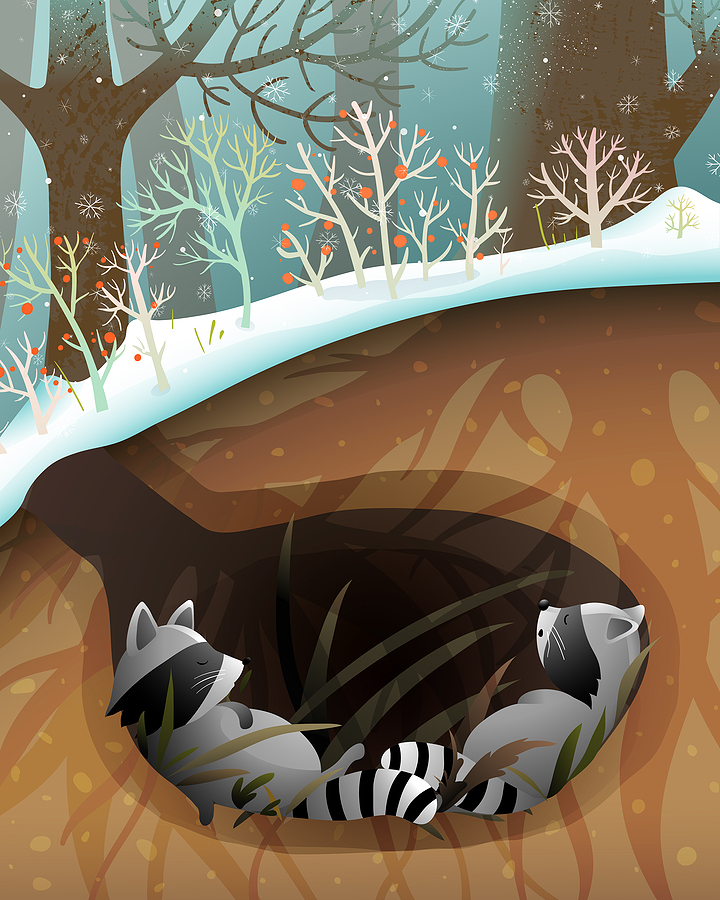
It is a common misconception that raccoons hibernate. In reality, raccoons enter a physiological state known as torpor. While it shares some similarities with hibernation—such as reduced activity and relying on stored body fat—there are significant differences that homeowners should be aware of.
True hibernation, seen in animals like woodchucks and certain bat species, involves a drastic and sustained drop in body temperature and metabolic rate. A true hibernator is difficult to wake up and may remain in a comatose-like state for months at a time.
Torpor, on the other hand, is a lighter sleep. During torpor, a raccoon’s body temperature lowers slightly to conserve energy, and its heart rate slows down, but it remains responsive to its surroundings. This “hibernation-lite” allows the raccoon to sleep for days or weeks during severe cold snaps but wake up relatively quickly if the weather improves or if they are disturbed. This is why you might hear thumping in your attic on a mild January day—the resident raccoon has woken up to stretch its legs.
How Do Raccoons Prepare for Winter?
Because raccoons cannot forage effectively when the ground is frozen or covered in deep snow, their winter survival strategy begins months in advance. Late summer and autumn are critical periods for raccoons, defined by a phase called hyperphagia—a biological drive to eat constantly.
During this time, a raccoon’s primary goal is to accumulate a thick layer of body fat. This fat serves two purposes: it provides insulation against the freezing temperatures and acts as an energy source when food is scarce. An adult raccoon can lose up to 50% of its body weight during the winter, so entering the season with substantial reserves is a matter of life or death.
In addition to bulking up, raccoons spend the late fall scouting for suitable winter dens. Unlike many other animals, raccoons rarely build their own homes. Instead, they are opportunistic, looking for hollow trees, abandoned burrows, brush piles, or—unfortunately for humans—accessible parts of a house.
Do Raccoons Come Out During the Winter?
Yes, raccoons do emerge during the winter, which often surprises homeowners who assume the animals are asleep until spring. Their activity is almost entirely dictated by the thermometer.
When temperatures drop significantly (typically below 20°F) or heavy snow falls, raccoons will curl up in their dens and sleep to conserve calorie burn. However, during a “thaw” or a stretch of mild winter weather, they will break their torpor.
If the temperature rises above freezing, raccoons will venture out to replenish their water supply and forage for food. This adaptability is one reason raccoons are so successful in urban environments like Indianapolis; they can capitalize on brief windows of good weather to sustain themselves, whereas true hibernators are locked into their sleep cycle regardless of the daily forecast.
What Do Raccoons Eat in the Winter?
In the spring and summer, a raccoon’s diet is omnivorously diverse, consisting of crayfish, frogs, insects, fruits, and vegetables. In the winter, however, their menu options are severely limited.
While their metabolism slows down, reducing their need for calories, they still need to eat occasionally. When they emerge during warm spells, they are scavengers of opportunity. Their winter diet may include:
- Leftover acorns and nuts: Mast crops that fell in the autumn are a staple.
- Waste grain: In agricultural areas, they may find leftover corn or seeds.
- Human refuse: Garbage cans are a primary target because they provide high-calorie scraps with minimal effort.
- Bird seed: Spilled seed from feeders is an easy meal for a hungry raccoon.
- Pet food: Bowls left on porches are irresistible attractants.
Because natural food sources are scarce, raccoons become bolder in their search for human-provided food sources during the winter months.
How Can I Prevent Raccoons from Denning on My Property?
A raccoon’s ideal winter den is dry, warm, and protected from the wind. Unfortunately, your attic, chimney, or crawl space fits this description perfectly. Preventing an intrusion is far easier—and less expensive—than removing an established family.
Here are proactive steps you can take to secure your home:
- Seal Entry Points: Inspect your home’s exterior for holes. Raccoons are strong and dexterous; they can tear off loose shingles or fascia boards to enlarge a small gap. Use heavy-gauge hardware cloth to seal openings, as raccoons can chew through weaker materials.
- Cap Your Chimney: An uncapped chimney is an open invitation. Install a stainless steel chimney cap to prevent raccoons from nesting inside the flue.
- Secure Garbage: Use metal trash cans with tight-fitting lids. If possible, keep trash containers inside a garage or shed until pickup day.
- Remove Attractants: Bring pet food indoors at night and clean up fallen bird seed.
- Trim Trees: Overhanging tree branches act as bridges to your roof. Trim branches back at least 6 to 8 feet from your home to limit access.
What are the Signs of Raccoon Activity in Winter?
Since raccoons are nocturnal and secretive, you may not see the animal itself. However, they leave distinct clues indicating they have moved in or are active nearby.
- Tracks in the Snow: Raccoon tracks are distinct; they look like small human handprints with five long toes.
- Auditory Cues: If a raccoon is in your attic, you will likely hear heavy thumping, scratching, or vocalizations (chattering or growling) at night.
- Latrines: Raccoons often use a specific area as a toilet. Finding piles of droppings on your roof, in the attic, or near the house is a strong sign of habitation.
- Structural Damage: Look for torn vents, bent gutters, or scratch marks on vertical siding where they may have climbed.
How Can Professional Services Help with Raccoon Control?
If you suspect a raccoon is denning in your home, attempting DIY removal can be dangerous. Raccoons can be aggressive when cornered, especially if they are defending a warm den. Furthermore, in many places, there are specific regulations regarding the trapping and relocation of wildlife.
Professional wildlife control services in Indianapolis offer a comprehensive approach:
- Humane Removal: Experts use safe trapping methods or one-way exclusion doors that allow the animal to leave but not re-enter.
- Inspection: Professionals can identify entry points you might miss, such as obscure roof vents or soffit gaps.
- Cleanup and Sanitization: Raccoon droppings can carry dangerous parasites like roundworm. Professionals have the equipment to safely clean and decontaminate the area.
- Damage Repair: Many services will also repair the damage caused by the animal, restoring your home’s integrity and preventing future invasions.
Frequently Asked Questions (FAQ)
Do raccoons hibernate in groups?
Yes, it is quite common for raccoons to den together in the winter to share body heat, a practice known as communal denning. While adult males typically den alone, a mother and her offspring from the previous spring will often stay together. In some cases, multiple unrelated raccoons may share a particularly large and warm den.
How cold does it have to be for raccoons to stay in their den?
While individual tolerance varies, raccoons typically retreat to their dens when temperatures drop below freezing (32°F) and wind speeds pick up. Extended periods of temperatures below 15°F to 20°F will almost certainly keep them denned up for days at a time.
Are raccoons dangerous in winter?
Raccoons can be dangerous if threatened or cornered. Additionally, while rare, rabies is a concern. If you see a raccoon that appears sick, disoriented, or is active during the day and acting aggressively, keep your distance and contact animal control immediately.
Quick Recap
- Raccoons are active year-round, including during winter.
- Their thick fur provides insulation to help them survive cold temperatures.
- Raccoons may create dens in trees or other sheltered areas during the winter months.
- They are opportunistic eaters and will scavenge for food even during winter.
Conclusion
While raccoons do not hibernate in the traditional sense, their winter behavior of entering torpor and seeking warm dens brings them into closer contact with humans during the coldest months of the year. Their ability to adapt—sleeping through the deep freeze and waking to forage during thaws—makes them resilient survivors.
However, their survival instincts should not come at the cost of your home’s safety. By understanding their habits and taking preventative measures, you can coexist with local wildlife without inviting them into your attic. If you do find signs of an intrusion, remember that professional intervention is the safest route for both you and the animal.
Don’t let your home become a winter resort for local wildlife. If you hear scratching in the walls or spot tracks in the snow, Contact Us Today. Request a free estimate for professional raccoon control services in Indianapolis and ensure your home stays warm, safe, and pest-free this winter.
Related Post: Winter Raccoon Proofing FAQs for Indiana Homes