Hearing scratching noises in your attic or waking up to scattered trash across your lawn can be incredibly frustrating. Raccoons are intelligent, resourceful animals that easily adapt to urban environments, often bringing them into direct conflict with homeowners. While their masked faces might look cute from afar, dealing with property damage and potential health risks requires immediate, thoughtful action.
Addressing a wildlife issue on your property requires a balance between protecting your home and respecting the animals. Taking a humane approach ensures you resolve the problem effectively without causing unnecessary harm to the local wildlife.
This guide will explain the behaviors that drive raccoons to your property and provide practical, non-lethal strategies to keep them away. You will learn how to secure your home, modify your yard, and identify when it is time to bring in professional exclusion experts.
Understanding Raccoons and Why They’re a Nuisance
Before taking steps to remove raccoons, it helps to understand why they are attracted to your property in the first place. These animals are simply looking for the same basic necessities we all need: food, water, and safe shelter.
The Raccoon’s Role in the Ecosystem
Raccoons are highly beneficial to our natural environment. As omnivores, they feed on a variety of berries, nuts, insects, and small rodents. By consuming wild fruits and traveling across different territories, raccoons help distribute plant seeds through their waste. This natural process maintains plant diversity and supports the health of local ecosystems.
Common Raccoon Nuisances in Urban and Suburban Areas
As human development expands, raccoons have adapted to living alongside us, adopting the term synanthropes. Unfortunately, our neighborhoods offer easy access to high-calorie food and warm, predator-free shelters. Common issues include tipped-over garbage cans, damaged vegetable gardens, torn roof shingles, and nested insulation inside attics.
Securing Your Home: Preventing Raccoon Entry
The most effective way to manage a wildlife problem is to stop it before it starts. Raccoons possess incredibly dexterous front paws, allowing them to open latches, untie knots, and pry apart loose building materials.
Sealing Entry Points
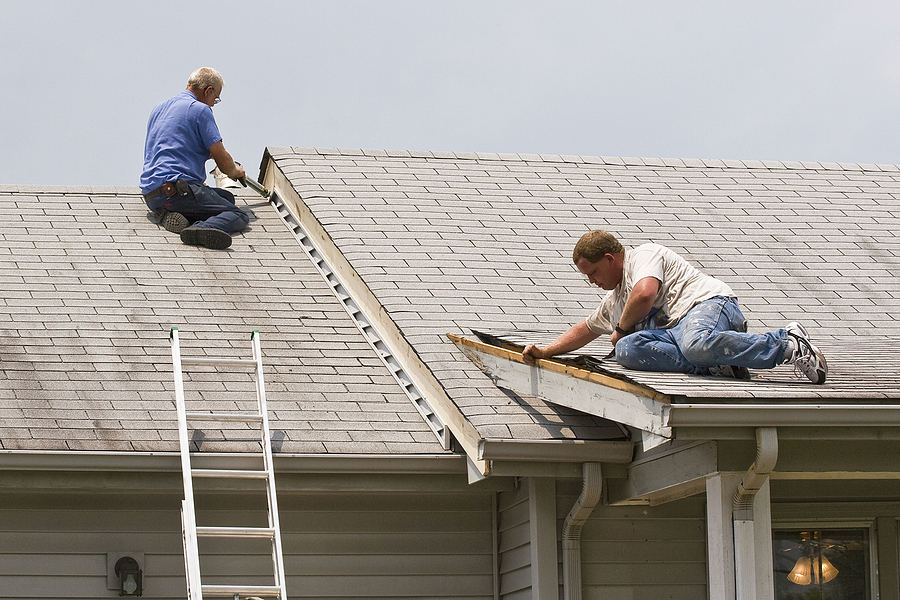
Inspect your home’s exterior regularly to identify potential vulnerabilities. Raccoons often target loose roof vents, damaged soffits, and uncapped chimneys. Repair any rotting wood and reinforce vulnerable areas with heavy-duty, galvanized steel mesh. Ensure that tree branches are trimmed at least ten feet away from your roof to eliminate easy access paths.
Protecting Pet Food and Water Sources
Leaving pet food outside overnight is an open invitation for hungry wildlife. Always feed your cats and dogs indoors. If you must feed them outside, remove any leftover food and water bowls before dusk. Raccoons are strictly nocturnal foragers, so eliminating easy meals right before the sun goes down significantly reduces nighttime visits.
Modifying Your Yard: Making it Less Appealing to Raccoons
Your landscaping might inadvertently roll out the welcome mat for local wildlife. By making a few simple adjustments, you can encourage raccoons to forage elsewhere.
Waste Management Best Practices
Garbage is the primary attractant for urban raccoons. Invest in heavy-duty trash cans with tight-fitting, lockable lids. If your cans do not have locks, secure the tops with bungee cords or store them inside a locked garage until the morning of trash collection. Regularly washing your bins out with soap and water will also minimize lingering food odors.
Garden Protection Strategies
If you grow vegetables or fruit trees, you know how devastating a raccoon visit can be. Harvest your ripe produce immediately rather than leaving it on the vine. You can also install temporary electric fencing around garden beds during peak harvesting seasons, which provides a harmless but effective shock that trains raccoons to stay away.
Scent-Based Repellents
Raccoons have a highly developed sense of smell, which you can use to your advantage. Certain strong odors are deeply unpleasant to their sensitive noses. Spraying homemade raccoon repellent, like a mixture of water and peppermint extract, around your yard’s perimeter can act as a natural, humane deterrent. You must reapply these scent-based repellents frequently, especially after heavy rainfall, to maintain their effectiveness.
Sound and Light Deterrents
Because raccoons are nocturnal, they prefer quiet, dark environments where they feel safe from predators. Disrupting this environment can force them to move on. Motion-activated bright strobe lights—particularly red lights—can mimic the eyes of predators and frighten them away. Additionally, leaving a waterproof radio tuned to a talk station near a suspected nesting area can create the illusion of human presence.
Water-Based Deterrents
Motion-activated sprinklers are an excellent investment for protecting specific areas of your lawn or garden. When a raccoon crosses the sensor’s path, the sprinkler releases a sudden burst of water. The combination of the unexpected noise and the physical splash safely startles the animal, conditioning it to avoid that area in the future.
Recognizing a Persistent Raccoon Problem
Sometimes, DIY methods are simply not enough to solve the problem. If you hear heavy thumping in your ceiling, notice foul odors coming from your vents, or see visible damage to your roofline, a raccoon has likely established a den inside your home. Once they are inside, removing them becomes much more complicated, especially if baby raccoons are involved.
The Benefits of Professional Raccoon Exclusion
Exclusion is the process of sealing a home so animals cannot re-enter, which offers a permanent solution compared to temporary trapping. Professional raccoon control services understand raccoon behavior and can safely install one-way exit doors. These doors allow the raccoon to leave the attic for food, but physically prevent them from getting back inside. While trapping provides fast removal, it leaves the entry point wide open for the next animal to move in. Exclusion protects your home for the long term.
Frequently Asked Questions
Are raccoons dangerous to pets or humans?
Raccoons generally avoid human interaction, but they can become aggressive if they feel cornered or are protecting their young. They may also fight with domestic dogs or cats over food, leading to serious injuries.
What attracts raccoons to my property?
Raccoons are primarily drawn to accessible food sources. Open garbage cans, outdoor pet food, birdseed spilling onto the ground, and accessible compost piles are major attractants.
Can raccoons carry diseases?
Yes, raccoons can carry several serious diseases. One of the most severe is raccoon roundworm, which can be transmitted to humans and pets through contact with their feces. Symptoms of roundworm infection include fatigue, lack of coordination, and loss of muscle control. They are also known carriers of rabies and leptospirosis.
How do I know if I have raccoons in my attic?
Signs of an attic infestation include heavy footsteps or scratching sounds at night, damage to exterior vents or shingles, and the presence of localized “latrines” (accumulations of feces) on your roof or in your insulation.
Is it legal to trap raccoons myself?
Wildlife laws vary significantly by location. In Indiana, resident landowners or tenants can trap a raccoon causing damage on their own property without a Department of Natural Resources (DNR) permit. However, you must still follow all local city and county ordinances regarding trap usage.
Taking Action for a Wildlife-Free Home
Dealing with a raccoon intrusion requires patience, consistency, and a commitment to humane practices. By securing your trash, repairing vulnerable entry points on your home, and utilizing non-lethal deterrents, you can successfully protect your property. Remember that raccoons are just trying to survive, and preventing access is always easier than attempting an eviction.
If you are dealing with a stubborn wildlife issue that you cannot handle alone, it is time to bring in the experts. Protect your home and your family’s health with professional raccoon exclusion services in Indianapolis, Indiana. Reach out to our wildlife control specialists today to schedule an inspection and secure your home for good.
Related Post: Keep Raccoons Out of Your Attic: Managing Overhanging Branches on the Roof