
A raccoon waddling across your backyard in broad daylight can stop you in your tracks. Your first instinct might be to assume something is wrong—and sometimes, that instinct is right. But not always.
Raccoons are naturally nocturnal creatures, so a daytime sighting does raise a fair question: is this normal behavior, or a warning sign? The answer depends on what the raccoon is doing, how it’s moving, and what’s going on around it. Knowing how to tell the difference could protect your family, your pets, and your home.
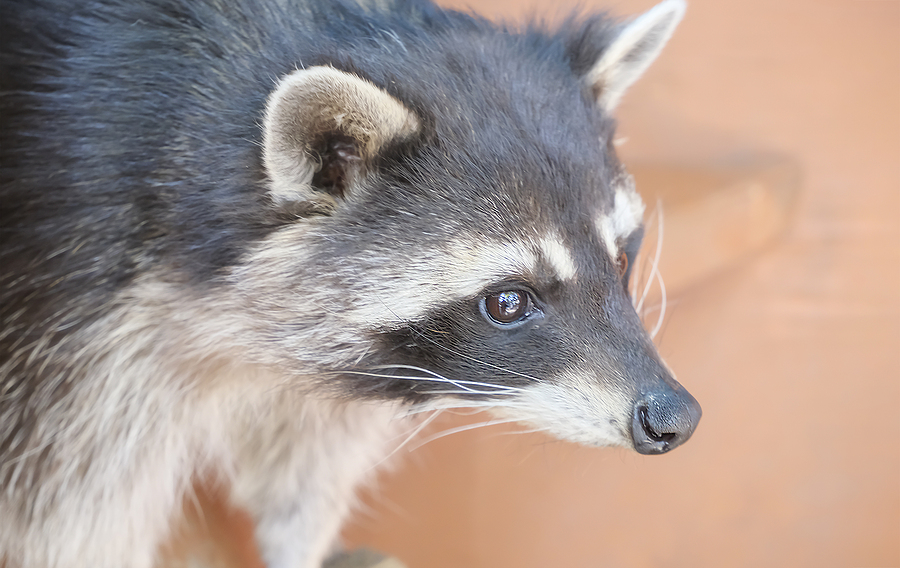
Is Seeing a Raccoon in the Daytime Normal?
Natural Raccoon Behavior
Raccoons are primarily nocturnal—they sleep during the day and forage after dark. That said, it’s a common myth that any raccoon spotted in daylight must be sick or rabid. According to the Wildlife Rescue League, it’s quite common, especially in urban areas, for a healthy raccoon to venture out during the day if it’s hungry or its den has been disturbed.
So no, a daytime sighting alone is not cause for alarm. Context matters.
When Daytime Sightings Signal a Problem
The concern isn’t the time of day—it’s the behavior. A raccoon moving purposefully, foraging calmly, and reacting normally to its surroundings is likely fine. A raccoon that appears disoriented, is stumbling, acting aggressively without provocation, or seems completely unaware of your presence is a different story entirely.
Pay close attention before reacting. What you observe in those first few moments can tell you a great deal.
Why Raccoons Might Be Active During the Day
Rabies and Other Illnesses
Illness is one reason a raccoon might behave unusually during daylight hours. Rabies, canine distemper, and other diseases can alter an animal’s normal patterns and behavior. According to ABC Humane Wildlife Control, raccoons are one of the top carriers of rabies in Illinois—and the same holds true across much of the Midwest, including Indiana.
Canine distemper is worth noting here too. Its symptoms closely mimic those of rabies, including paralysis, disorientation, circling, and loss of fear toward humans. The two conditions are easily confused, which is exactly why you should never try to handle or approach a raccoon displaying these signs.
Mother Raccoons Foraging
Here’s a scenario that surprises many homeowners: a nursing mother raccoon. According to the Wildlife Rescue League, mother raccoons caring for newborn kits often have no choice but to forage day and night to meet the increased caloric demands of nursing. Spring is prime baby season, so if you spot a raccoon during daylight hours between March and June, a litter of kits may be nearby.
This type of daytime activity is typically normal—and the raccoon is best left alone.
Starvation or Displacement
A raccoon that has lost access to its den, whether due to construction, tree removal, or being driven out by another animal, may be forced to search for food at unusual hours. The same goes for one facing food scarcity. A hungry raccoon will push past its natural instincts to find a meal.
The Dangers of Daytime Raccoons
Health Risks to Humans and Pets
Raccoons carry several serious diseases and parasites, regardless of whether they appear sick. The key threats include:
- Rabies: A viral disease transmitted through bites or saliva that attacks the central nervous system. Once advanced symptoms develop—including hallucinations, difficulty swallowing, and excess saliva—rabies is 100% fatal in humans without prior treatment.
- Raccoon Roundworm (Baylisascaris procyonis): A parasite found in raccoon feces. Eggs are nearly indestructible and can survive in soil for years. In humans, ingested eggs can migrate through the body, causing blindness and serious brain damage.
- Leptospirosis: A bacterial infection spread through raccoon urine. Left untreated, it can progress to kidney or liver failure and meningitis. In pets, leptospirosis is often fatal.
- Fleas, ticks, and mites: Raccoons can introduce these parasites onto your property, where they spread to pets and humans. These pests carry additional diseases including Lyme disease and typhus.
Property Damage
Beyond health concerns, raccoons can cause significant structural damage. Attics and chimneys are among their preferred den sites—and once inside, they can shred insulation, tear through roofing materials, and contaminate spaces with feces and urine. Gardens, lawns, and trash areas are also frequent targets.
What to Do When You See a Raccoon During the Day
Observe from a Distance
Your first move should be to watch, not approach. Give the raccoon space and observe its behavior for a minute or two. Is it moving normally? Foraging with purpose? Responding to sounds and movement? If so, it may simply be a hungry or displaced animal going about its business.
Never Approach or Feed
Feeding raccoons—even well-intentioned—teaches them to associate humans with food. That creates bigger problems down the road. More urgently, approaching a sick or frightened raccoon puts you at serious risk of being bitten. Keep children and pets indoors until the animal has moved on.
Secure Your Property
If raccoons are visiting regularly, your property is offering something they want. Take steps to remove those attractions quickly—more on that below.
When to Call for Professional Raccoon Removal
Signs of Sickness
If a raccoon appears lethargic, is stumbling or struggling to walk, has a blank or glassy stare, or is making unusual vocalizations, treat it as a potential health emergency. Do not handle the animal. Call a licensed raccoon removal company immediately.
Aggressive Behavior
A raccoon that approaches you without fear, hisses, charges, or acts erratically is displaying dangerous behavior. This is particularly concerning during daylight hours when the animal should naturally be resting. Aggressive raccoons pose a direct threat to people and pets and should be removed by professionals only.
Raccoons in Your Home or Yard
A raccoon in your attic, chimney, crawl space, or under a deck is not a DIY problem. Beyond the physical risks of confronting the animal, improper removal can separate a mother from her kits—leaving young animals to die inside your walls. Professional removal ensures the job is done safely, humanely, and completely.
Preventing Future Raccoon Encounters
Wildlife-Proofing Your Home
Raccoons are resourceful climbers and surprisingly strong. We recommend the following to keep them out:
- Use welded wire to seal crawl spaces, gaps under decks, and areas beneath sheds
- Repair any damaged or rotted sections of your roof, soffit, and fascia
- Install and maintain chimney caps
- Trim tree limbs that allow roof access
Proper Waste Management
Unsecured garbage is one of the most common raccoon attractants. Keep trash cans inside whenever possible. If they must stay outside, use bungee cords to secure lids and consider placing ammonia-soaked rags on top to deter foraging.
Removing Food Sources
- Bring pet food and water bowls inside at night
- Clean grills and outdoor cooking areas after every use
- Pick up fallen fruit from trees regularly
- Keep bird feeder areas clean
- Use closed compost bins only
Frequently Asked Questions
Does a raccoon being out during the day always mean it has rabies?
No. Healthy raccoons can be active during daylight hours, especially nursing mothers or those that are hungry or displaced. Rabies should only be suspected if the raccoon is also displaying abnormal behavior, such as stumbling, aggression, or apparent disorientation.
What diseases can raccoons pass to my pets?
Raccoons can transmit rabies, leptospirosis, raccoon roundworm, and canine distemper to domestic animals. Keeping your pets’ vaccinations current significantly reduces their risk.
Is it safe to remove a raccoon myself?
No. Attempting to trap or handle a raccoon without proper licensing and equipment is dangerous and, in Indiana, may be illegal. Always contact a licensed wildlife removal professional.
What attracts raccoons to my property?
Raccoons are drawn to unsecured garbage, outdoor pet food, fallen fruit, bird feeders, compost, and accessible shelter like open attics or crawl spaces.
When is raccoon mating and baby season in Indiana?
Raccoons in Indiana typically breed between January and June, with most kits born in April and May. Nursing mothers are especially likely to be seen foraging during daylight hours during this period.
Don’t Take Chances with Daytime Raccoons
A raccoon in your yard during the day isn’t automatically cause for panic—but it’s never something to ignore, either. The difference between a hungry mother and a rabid animal can be subtle, and the health and safety stakes are simply too high to guess wrong.
If you’re seeing raccoons regularly, noticing signs of illness or aggression, or dealing with an animal that has found its way into your home, professional help is the right call.
Don’t wait for a small problem to become a serious one. Our licensed wildlife removal team serves Indianapolis and the surrounding Indiana communities with safe, humane raccoon trapping and exclusion services. Request a free estimate today and get the expert help your property needs.
Related Posts:
Why Do I See Raccoons Out at Daytime?
What You Need to Know About Rabies in Raccoons
Communicable Diseases That Can Be Carried By Raccoons