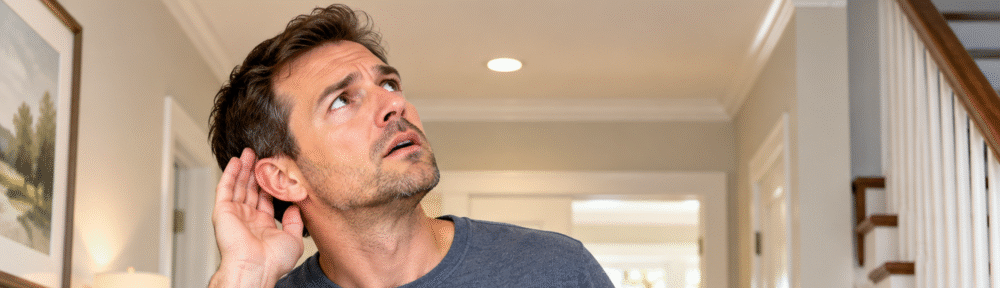
That scratching sound above your ceiling at 2 a.m. isn’t your imagination. Raccoons are common uninvited guests in Fishers attics, especially as temperatures drop and these resourceful animals search for warm, sheltered places to nest. Left alone, a raccoon infestation can lead to serious property damage and health risks for your family.
Knowing the warning signs helps you catch the problem early, before it grows into a costlier, more dangerous situation. Here’s what to look for, why it matters, and what to do next.
Signs of Raccoon Infestation
Raccoons are nocturnal, which means most signs of their presence show up after dark or in the evidence they leave behind.
Noises in the Attic
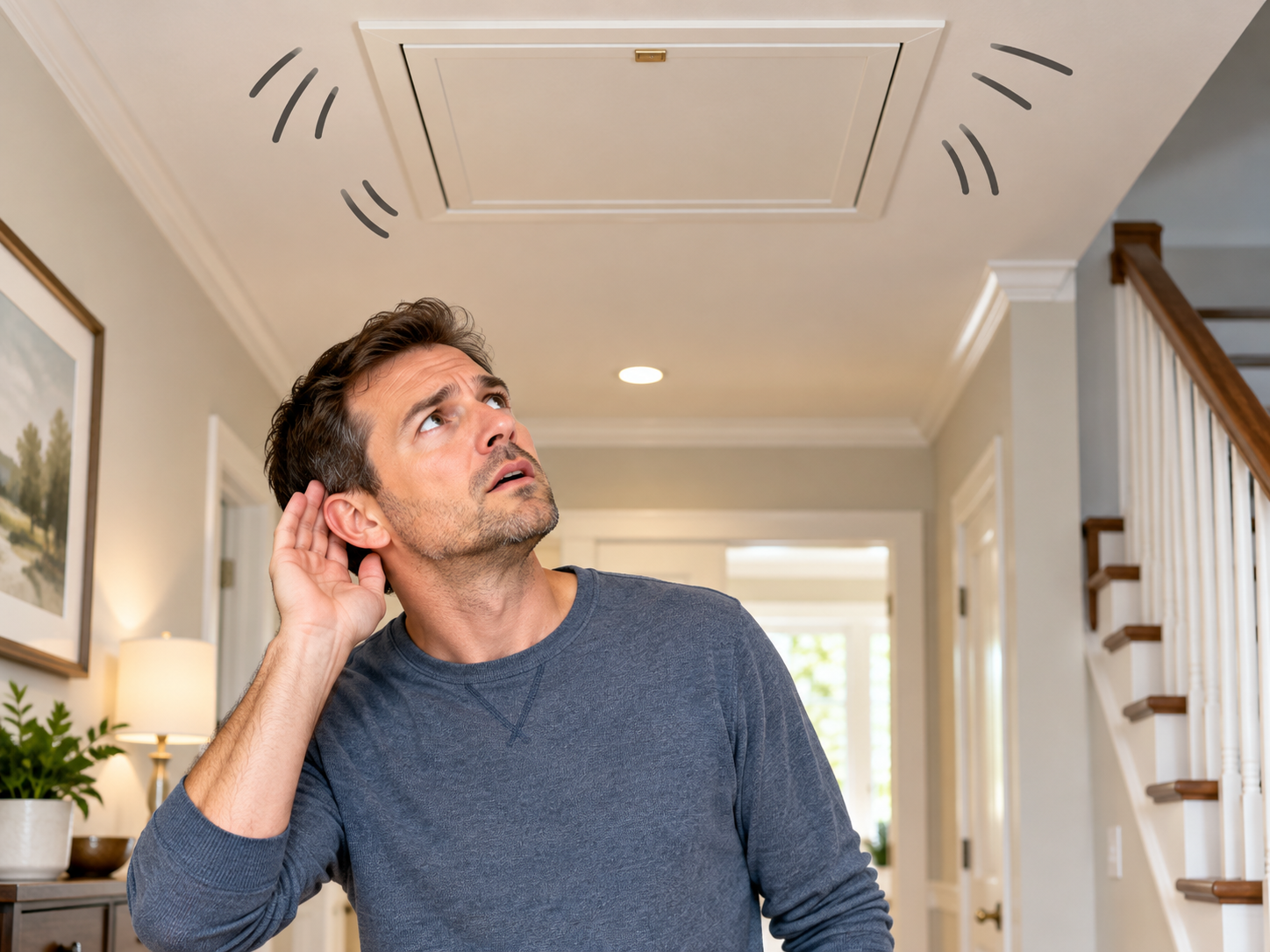
Heavy footsteps, scratching, and thumping sounds—particularly at night—are often the first clue. Raccoons are considerably larger than mice or squirrels, so their movements tend to sound heavier and more deliberate.
Droppings, Urine, and Foul Odors
Raccoons use consistent latrine sites, so you may notice a concentrated pile of dark, tubular droppings in one area of your attic. A persistent musty or ammonia-like smell is another common sign of urine buildup.
Damaged Insulation and Chewed Wiring
Raccoons will tear apart insulation to build nests and may chew on electrical wiring in the process. This kind of damage compromises your attic’s energy efficiency and creates a genuine safety hazard.
Entry Holes and Paw Prints
Check your roofline, soffits, and vents for torn or bent openings. Raccoons are strong enough to pry back shingles or rip through weak spots, and you may spot muddy, hand-like paw prints near these entry points.
Health and Safety Risks
A raccoon in the attic is more than a nuisance—it’s a legitimate health and safety concern. Raccoons can carry rabies, along with parasites like Baylisascaris procyonis, commonly known as raccoon roundworm. According to the CDC, roundworm eggs shed in raccoon feces can survive in the environment for more than a year and, in rare cases, cause serious infections in humans, including damage to the eyes and nervous system. Raccoons can also transmit leptospirosis and salmonellosis.
Beyond disease, the physical damage of having raccoons in the attic adds up. Chewed wiring is a potential fire hazard, and torn insulation or nesting materials can compromise your attic’s structure over time.
What to Do If You Find Raccoons
If you suspect raccoons have moved in, resist the urge to handle it yourself.
- Don’t attempt removal yourself. Raccoons can be aggressive when cornered, particularly a mother protecting her young, and improper handling increases your risk of bites or disease exposure.
- Call a professional raccoon removal service. Licensed wildlife professionals know how to safely trap and relocate raccoons in compliance with Indiana regulations, and they can identify every entry point to prevent a repeat visit.
- Document the infestation for insurance purposes. Standard homeowners insurance often covers structural raccoon damage, so photograph droppings, chewed wiring, and damaged insulation before cleanup begins.
Prevention Tips
Once your attic is raccoon-free, a few precautions can keep it that way:
- Seal gaps and cracks around your roofline and attic vents
- Install chimney caps and vent covers to block common entry points
- Remove outdoor food sources, including securing trash cans with locking lids
- Trim tree branches that hang near your roof, since raccoons often use them as a bridge
Frequently Asked Questions
How much does raccoon removal cost?
Raccoon removal in an attic typically runs $550 to $975, depending on the extent of the infestation and any necessary sealing or repair work, according to Angi’s 2026 cost data.
Can I remove raccoons myself?
It’s not recommended. Raccoons can carry rabies and other diseases, and most states require humane removal methods that professionals are trained and equipped to carry out safely.
Will raccoons leave on their own?
Sometimes, but it’s not guaranteed—especially if a mother has denned with cubs. Professional trapping and exclusion is the most reliable way to ensure they’re gone for good.
How do I prevent raccoons from returning?
Seal all entry points once raccoons are removed, secure food sources, and consider periodic inspections if your property has a history of wildlife activity.
Protect Your Home Today
Raccoons in the attic won’t resolve themselves, and every day they stay increases the risk of disease exposure and property damage. If you’ve noticed any of these warning signs, don’t wait for the problem to get worse.
Contact our Fishers raccoon removal team today for a full inspection, humane removal, thorough cleanup, and repair services to restore your attic and give you peace of mind.
Related Posts:
Keep Raccoons Out of Your Attic: Managing Overhanging Branches on the Roof
Dealing with the Damage Caused by Raccoons in Your Attic
How to Get Rid of Raccoons in the Attic